Filters
Signs It Is Time to Replace Your Dock
There comes a point when replacing a dock is more cost-effective than pouring money into constant repairs. Knowing whether your structure needs targeted fixes or a full replacement is essential for protecting your investment and keeping everyone who uses it safe.
Start by looking for the universal warning signs that apply to any dock, then evaluate the issues specific to your setup — whether you have a floating system or a permanent aluminum or wooden dock. Each type has different red flags that signal when replacement is the smarter choice. If you spot them, it’s time to move on from repairs.
Four General Signs Applicable to All Dock Types
Whether you own a floating dock or a fixed structure, several warning signs indicate the need for replacement.
- Significant safety hazards: Excessively unstable walking surfaces and numerous protruding fasteners pose risks of injury. These conditions often signal that the structural integrity has deteriorated beyond safe repair.
- Frequent and costly repairs: Continually spending money and time on temporary fixes suggests that your structure might have reached the end of its lifespan. Replacement is a more economical choice when new problems keep emerging faster than you can address them.
- Not meeting standards: Building a dock without proper permits or owning one that no longer meets current standards can lead to fines. For safety’s sake, your structure should fulfill regulations and compliance guidelines. Specific criteria can vary significantly based on location, water body and dock type, but codes from the International Code Council generally apply.
- Outgrown needs: If your current boat dock no longer accommodates your vessel size, recreational activities or aesthetic preferences, you might consider a new structure that better matches your current lifestyle.
When Should You Replace Your Floating Dock?
Modular and pontoon-style floating docks can develop issues tied to their flotation systems. Simple repairs are usually sufficient to address isolated problems such as a punctured float or a broken anchoring chain. You can DIY these issues or call a professional for a quick service.
Replacing the dock is a more practical and cost-effective solution when flotation problems appear across multiple sections.
1. Compromised Buoyancy
Floating docks rely on sealed, watertight components containing air or foam to achieve buoyancy. A buoyant object can float or rise in a fluid, allowing it to remain level with the water surface. When these air- or foam-core components crack, puncture or degrade, sections of your dock can become partially submerged or tilt to one side. Beyond creating risks for anyone using the structure, declining buoyancy can also cause severe degradation by exposing your deck and frame to moisture.
2. Anchoring System Failure
Floating docks rely on robust anchoring systems that allow up-and-down movement while preventing drift from currents, wind, waves or impacts. When anchoring components become too slack, corroded or broken, your dock could lose its stability and might even collide with boats or neighboring docks. An anchoring system failure can damage other components and could warrant a dock replacement.
3. Worn Connectors or Hinges
Modular sections of floating docks connect with hinges or connectors. When these elements wear out, corrode or loosen, they compromise structural integrity. While you can easily replace a few connectors, excessive wear on many components can lead to dock movement, instability, noticeable gaps or uneven surfaces. Some sections might even detach during adverse weather conditions.
A failing connection point creates a weak link, forcing the entire structure to work harder. Load distribution becomes uneven and frames and anchors experience abnormal strain. You might need a new dock if connector damage becomes widespread.
How Do You Know When to Replace Your Wooden or Aluminum Dock?
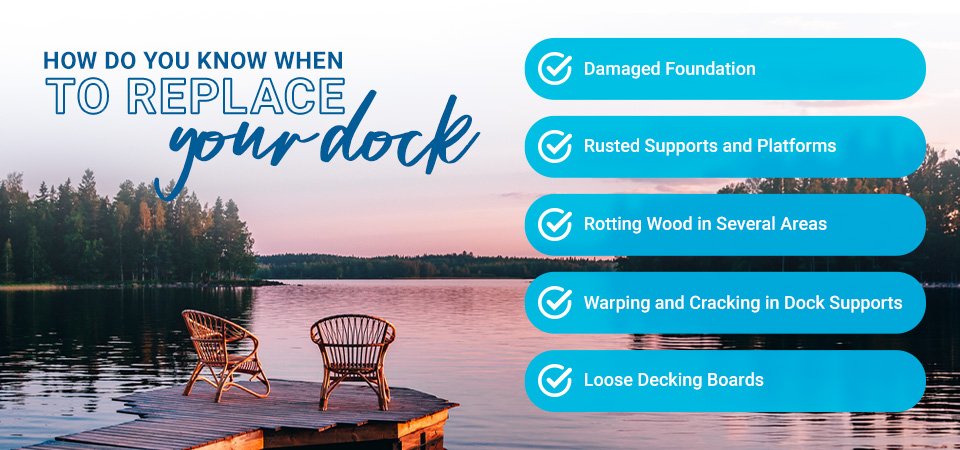
Many wooden and aluminum docks are prone to wear and tear over the years. Here are five signs that it’s time to replace your dock.
1. Damaged Foundation
If you notice cracks in your dock, investigate further to diagnose the underlying issue. Cracks in the wooden foundation can indicate significant stress or internal degradation, especially if they are deep, long or appear in multiple places. In aluminum structures, look for significant bending or visible cracks in the primary framing below the waterline, all of which signify a major structural problem.
2. Rusted Supports and Platforms
If your wooden boat dock has metal components in its supports or platforms, saltwater will corrode them over time. While you can repair small rust spots, widespread rust in multiple areas indicates your dock needs replacement.
Aluminum is highly corrosion-resistant. However, your dock can be susceptible to galvanic corrosion. When two different metals touch — like a steel bolt securing an aluminum plate — and contact saltwater, the combination creates an electrical current that causes one of the metals to corrode much faster than it would on its own.
3. Rotting Wood in Several Areas
Unfortunately, waterborne fungi can cause dry rot and decay in wooden components. Replacing a few rotting boards or beams is a quick fix for localized damage, but pervasive rot indicates an across-the-board issue. When your entire structure fails due to rot, you’ll need to replace it.
4. Warping and Cracking in Dock Supports
Constant pressure from water currents, waves and even impacts can gradually warp or crack a dock’s support structures over time. This sustained stress weakens the foundation’s integrity.
You might be able to repair minor cracks in a small area by replacing individual boards or beams, but widespread or severe cracking in major load-bearing supports signals a critical structural failure. When these essential components show significant damage, a full dock replacement is necessary.
5. Loose Decking Boards
Loose boards are a tripping hazard. While you can easily tighten fasteners or replace individual planks, more extensive damage is problematic. If your deck is unstable, you might have an issue with your underlying support system, making a replacement a safe and practical solution.
Replace Your Dock With a Modular Floating System
Modular floating docks are an excellent replacement choice for waterfront property owners, marina operators and yacht clubs. Consider installing a new floating dock to reap the benefits.
Outstanding Durability and Low Maintenance
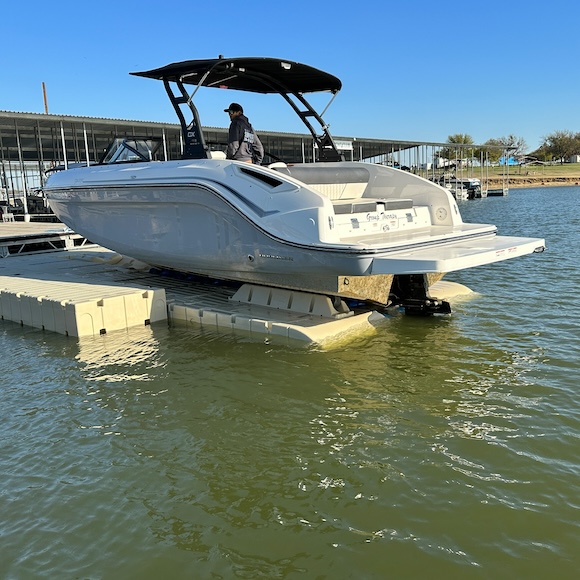
Thanks to robust, UV-stabilized polyethylene that resists rot, rust, corrosion and splinters, these docks can last 20 years or more. They require significantly less maintenance than wooden or aluminum docks, with no need for painting, staining or extensive repair work.
Scalability and Expandability
You can expand or reduce the size of a modular dock as your needs change by adding or removing sections. Configure the shape to match your shoreline and preferences. Enhance functionality by incorporating accessories like:
Enhanced Safety Features
Modular floating structures eliminate splinters, which are a common problem with wooden alternatives. Manufacturers also offer additional safety features. For example, you can also install boat bumpers and railings for enhanced protection.
Adaptability to Changing Water Levels
The buoyant design means these structures naturally rise and fall with water levels. When water levels are lower, it can become challenging to access water from fixed structures. These structures can also become submerged when levels rise. With floating docks, you’ll enjoy consistent and safe access to the water regardless of tides or fluctuating lake and river conditions.
Enjoy a High-Quality Customized Dock From EZ Dock
If you’re considering switching to a maintenance-free, barefoot-friendly polyethylene dock from EZ Dock, check out our getting started guide to explore our frequently asked questions. For over 26 years, we’ve offered a wide range of durable, flexible and up-to-date floating dock systems to help you make the most of your waterfront property.
Contact EZ Dock today to start building a customized dock that outperforms and outlasts aluminum and wood docks.