Filters
What Is the Most Durable Dock Solution for Saltwater Environments?
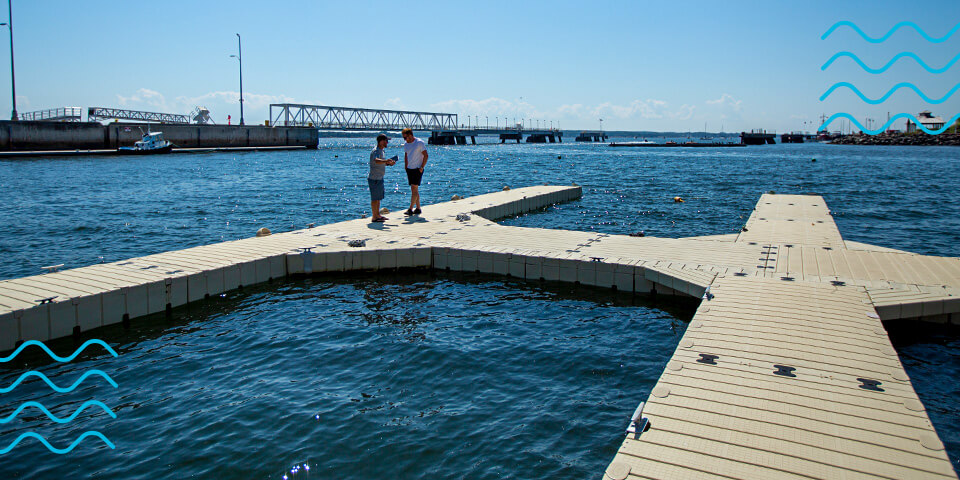
Your waterfront property is an investment you can be proud of. But if you have a rotting or rusting dock that demands seemingly endless maintenance, you may spend more time repairing it than enjoying sunny days on the water.
Saltwater environments are harsh on traditional dock materials, accelerating corrosion in metal and decay in wood. According to industry research, plastic docks are growing in popularity as property owners shift away from high-maintenance wood and metal options.
Not all dock materials hold up equally in saltwater. This guide breaks down what works, what fails and why polyethylene floating docks are the smartest long-term investment for your oceanfront property.
The Cost of Choosing the Wrong Dock Material
Your dock anchors a decades-long relationship with your waterfront. The material you choose today determines whether you’ll spend your weekends relaxing on the water or working with a paintbrush and sander.
You get what you pay for. Cheaper options often become more expensive over their lifetimes. For instance, wood docks typically require power washing, sanding and sealing every few years. Many need full replacement after a couple of decades, often faster in saltwater. Aluminum docks also need regular maintenance and can rack up significant repair costs from storm damage or saltwater corrosion.
Polyethylene floating docks sometimes carry a higher up-front investment but can dramatically lower maintenance costs. When you factor in the long-term cost of dock ownership, you can see how this material often pays for itself over the years.
Why Saltwater Damages Traditional Docks
Saltwater is fundamentally different from freshwater in multiple ways. Salt accelerates breakdowns, and the constant wet-dry cycle takes a toll. Here’s why traditional materials fail in saltwater.
Wood Damage
Wood and saltwater are a losing combination. Constant moisture exposure can lead to rot, splintering and warping. Salt residue can wick through wood fibers above the waterline, pulling moisture deep into the material. Pressure-treated wood docks require regular staining and sealing and may need full replacement eventually, especially in saltwater.
Marine borers, such as shipworms and gribbles, are another threat that freshwater docks don’t encounter. These organisms tunnel through wood structures, compromising integrity from the inside out. Even chemically treated wood can eventually succumb. Pressure-treated wood may also leach preservatives into surrounding waters, creating environmental concerns.
Metal Corrosion
Aluminum and steel docks offer strength, but saltwater is specifically corrosive to metal. Salt ions can break down materials through electrochemical corrosion, which thins metal and weakens joints and fasteners, eventually compromising the structural frame.
Research confirms that saltwater accelerates corrosion in metal structures. Aluminum docks exposed to saltwater require regular corrosion inspections. Additionally, storm damage and boat impacts can dent and weaken the structure over time, creating entry points for further corrosion.
What Is a Polyethylene Floating Dock?
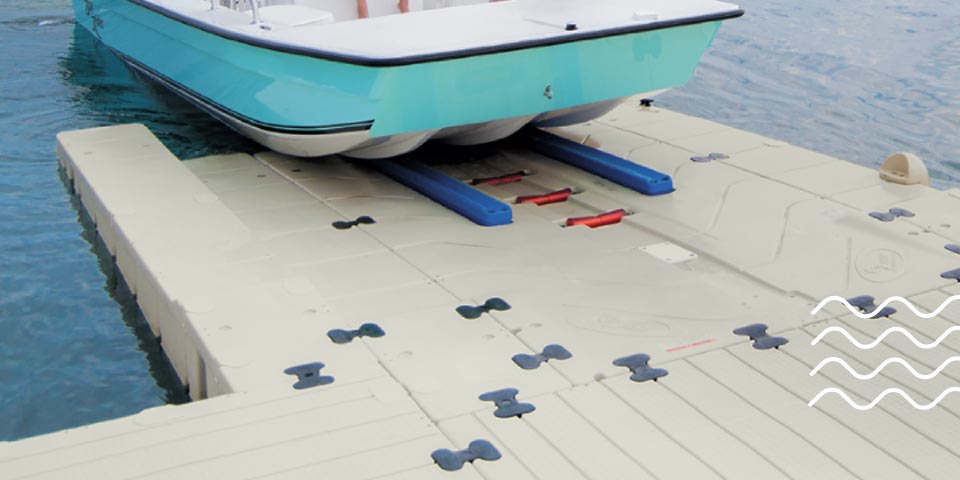
A polyethylene floating dock is a water platform made from durable, rotationally molded plastic. This material rises and falls naturally with changing water levels. Docks provide stable buoyancy using sealed air chambers, eliminating the need for a rigid, fixed frame.
Modular floating ocean docks made of low-density polyethylene are highly durable. Unlike wood or metal, polyethylene doesn’t react to salt, moisture, marine growth or UV exposure.
Polyethylene is nonporous and does not absorb water, giving it inherent resistance to corrosion, decay and mold. You can customize the modular design to your shoreline, creating a solution that evolves with your needs.
What Makes Polyethylene the Long-Term Winner?
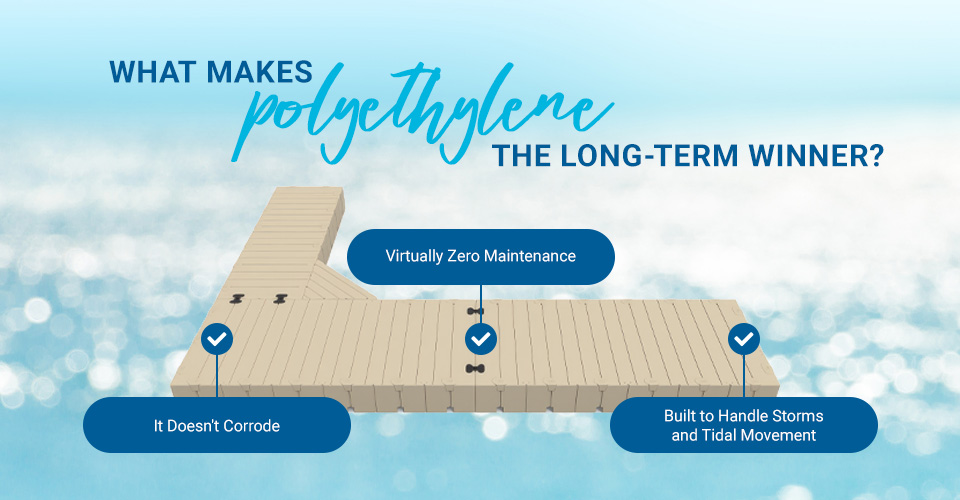
The material advantage goes beyond salt resistance. Polyethylene floating docks deliver several benefits that traditional materials can’t match.
1. It Doesn’t Corrode
Polyethylene’s corrosion immunity matters for long-term ownership. The material is chemically inert, meaning the elements don’t degrade it. Its corrosion resistance often results in a longer lifespan than other marine materials.
Compared with wood and metal, polyethylene is better at withstanding saltwater exposure because it resists corrosion, rot and rust. Over time, that durability can help your dock deliver reliable performance without the constant upkeep wood and metal often require.
Polyethylene also offers an environmental benefit. Unlike pressure-treated wood, EZ Dock systems won’t leach harmful chemicals into ocean waters. As such, they are ideal for property owners who want to protect their coastal ecosystem.
2. Virtually Zero Maintenance
Because they don’t require the upkeep of wood and metal, polyethylene floating docks give you back your weekends. Rather than devoting your leisure time to working on repairs, you can use your waterfront property for more outdoor fun.
Polyethylene docks can outlast wood docks because they don’t degrade under the conditions that destroy traditional materials. Thus, they are maintenance-free by design. Imagine no annual staining, board replacement, sealing or rust removal. This material resists marine growth, doesn’t splinter and maintains its structural integrity without intervention.
EZ Dock offers an industry-leading 10-year warranty on our floating docks, kayak launches, PWC ports and boat ports. That confidence comes from decades of proven performance in saltwater environments where other materials fail.
3. Built to Handle Storms and Tidal Movement
The ability to float is a significant structural advantage in saltwater environments. Floating docks and tidal fluctuation work together seamlessly — the dock doesn’t fight the ocean, but moves with it.
The modular, rubber-coupled design absorbs storm energy instead of bracing against it. There’s no rigid frame to stress, crack or dislodge under storm surge. The system flexes, disperses energy and stays intact.
This durability has been essential in real-world situations. During Hurricanes Georges and Mitch, dock owner Claude E. Owens of Conch Harbor in Key West experienced intense windstorms that would have corroded typical dock materials. The polyethylene floating dock maintained its shape and condition, seeing zero damage from the wind and tide.
When you’re in a hurricane-prone region, storm preparedness for your dock is essential. By design, well-engineered polyethylene floating docks withstand conditions that would typically destroy fixed structures.
Get Your High-Quality Floating Dock Today
Imagine a dock that frees up your time instead of demanding constant upkeep. Polyethylene floating dock systems engineered for corrosion resistance and storm resilience outlast saltwater for decades, offering maintenance-free ownership without the headaches of a constant to-do list.
EZ Dock has been in business for over 26 years. Our first-ever dock installation is still in the water today — a testament to the material’s longevity in real-world saltwater conditions. With decades of proven performance and an industry-leading 10-year warranty, EZ Dock is the trusted choice for waterfront property owners who prioritize long-term value.
Explore EZ Dock ocean floating dock options or contact us to request a personalized quote and customize a modular system that fits your shoreline.