Filters
The Economics of Owning a Dock
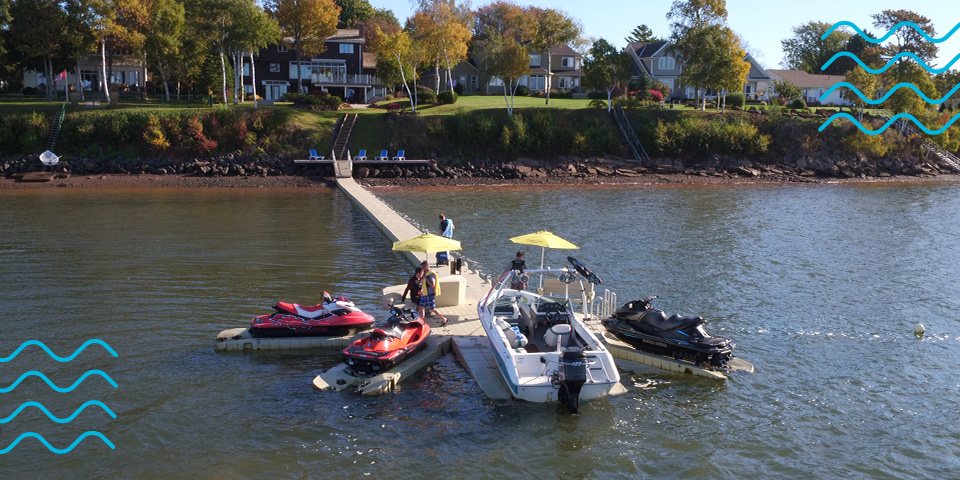
Owning a dock sounds like the dream, offering direct water access, no more marina fees and room for your boat or kayaks. But budgeting for one can feel overwhelming when you compare installation quotes and wonder if you’ll see a return on your investment.
Once you understand the full financial picture, the decision becomes clearer. Dock ownership isn’t a niche luxury anymore, with the market valued at $1.94 billion in 2025 and projected to reach $2.73 billion by 2034. Docks are a wise investment for waterfront property owners who know what to look for.
This guide breaks down up-front costs, ongoing expenses, long-term ROI and the value a dock adds to your property.
How Much Does It Cost to Own a Dock?
Your dock investment varies widely based on the type, size and site conditions. Material choice influences what you pay up front and what you’ll spend over the dock’s life.
Initial Installation Costs
Set realistic expectations by learning how much a floating dock costs. Full installation can range from a few thousand dollars for small floating systems to tens of thousands for large permanent structures, with these primary cost drivers.
- Dock type: Floating docks sit at the lower end of the installation cost spectrum. On the other hand, permanent piling or crib structures often require underwater construction.
- Size: A simple 8-foot-by-10-foot section costs far less than a multi-slip option with boat ports and walkways.
- Materials: Plastic polyethylene docks have a higher initial asking price than wood. However, they cost dramatically less over time due to low maintenance requirements.
- Labor: Professional labor can represent a significant portion of the total installation cost. You can often install a modular floating dock without professional help, significantly reducing labor expenses.
Permits and Fees
Installing a boat dock typically requires permits and regulatory fees, though requirements vary by state, dock type and size. Generally, floating docks have simpler permitting requirements than permanent structures.
Additional costs can include environmental impact reviews, engineering drawings and dock accessories. Some states exempt smaller floating docks from state-level permits entirely. For example, docks under 500 square feet in Outstanding Florida Waters can qualify for permitting exemptions.
Check the permit requirements for building a dock with your local authorities and HOA before breaking ground.
What You’ll Pay Year Over Year With Ongoing Expenses
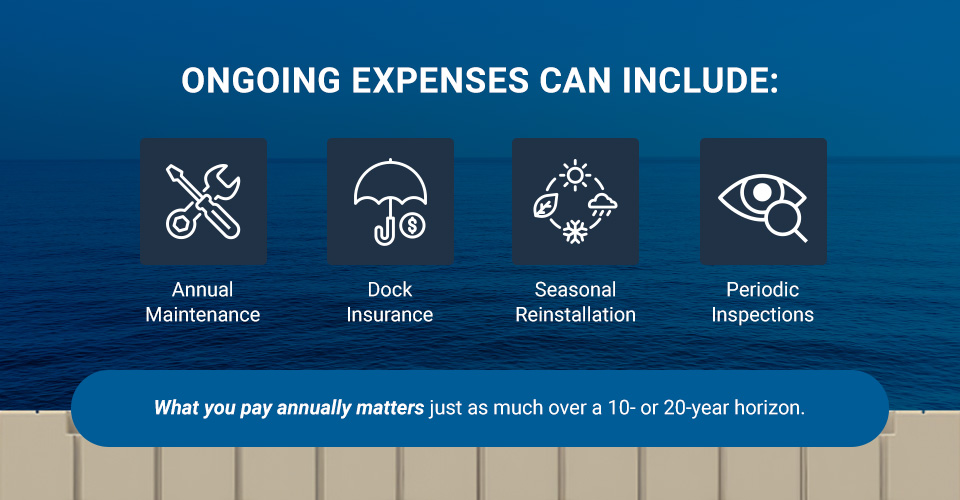
The up-front cost is only part of the financial picture. What you pay annually matters just as much over a 10- or 20-year horizon. Ongoing expenses can include annual maintenance, dock insurance, seasonal reinstallation and periodic inspections.
Maintenance Costs by Dock Material
Property owners are increasingly investing in lightweight dock materials and floating docks. Annual maintenance costs vary dramatically. Generally, wood docks carry the highest ongoing cost burden, while floating plastic polyethylene docks tend to have the lowest total cost of ownership.
- Wood docks: Wood typically offers a low initial cost, but a high maintenance burden. You can expect annual pressure washing, staining, water sealing, repairs and warped board replacements.
- Aluminum docks: This sturdy, lightweight material requires less maintenance than wood but is susceptible to saltwater corrosion over time. Periodic cleaning and frame inspections are typically essential for long-term durability.
- Plastic polyethylene docks: These affordable docks are easy to install and are virtually maintenance-free. Like any material, they may need occasional washing to clear bird droppings, pollen or algae. Polyethylene is naturally immune to rotting, warping, cracking and splintering, saving on long-term repair and maintenance costs.
Insurance and Annual Expenses
Dock insurance is a real but often-overlooked annual cost. Many homeowners add dock coverage as a rider to their existing homeowner’s policy. The cost varies based on dock value, location and liability exposure.
Other recurring costs vary by region and dock type. In northern climates, winter ice movement can damage permanent dock pilings — but you can remove and relocate a floating dock ahead of severe weather, reducing the risk of storm damage and repair costs.
The Long-Term Financial Picture
Over 10 or 20 years, does owning a dock make financial sense? The numbers start to look very different when you zoom out.
Owning a Dock vs. Paying Marina Slip Fees
Many waterfront property owners pay marina fees for years. Owning a private dock tied to waterfront property eliminates ongoing monthly slip fees but requires a high initial investment. On the other hand, dock slip fees are a predictable monthly cost that comes with built-in amenities like fuel and security, but lacks long-term equity.
Marina slip rentals run monthly and depend on your boat size and region. Private dock costs are often higher initially, but lower over 10 years. After a decade, ownership costs are often maintenance-only, rather than ongoing slip fees you’ll pay as long as you own your boat.
How a Dock Can Boost Your Property Value
A dock functions as a lifestyle upgrade and a financial asset, lowering marina costs and adding equity to your home. In many markets, a well-constructed dock significantly boosts resale value.
Lakefront properties already command prices up to 90% higher than similar homes without water access or views. Adding a dock amplifies that advantage, making your home more desirable, more competitive and often quicker to sell.
Finding a Dock for Your Budget
Dock type and material choice are the single biggest levers on long-term cost of ownership. Modular dock repairs can mean swapping out one section instead of rebuilding the whole dock. As such, floating docks offer a major long-term cost advantage.
EZ Dock offers multiple options for your needs and budget.
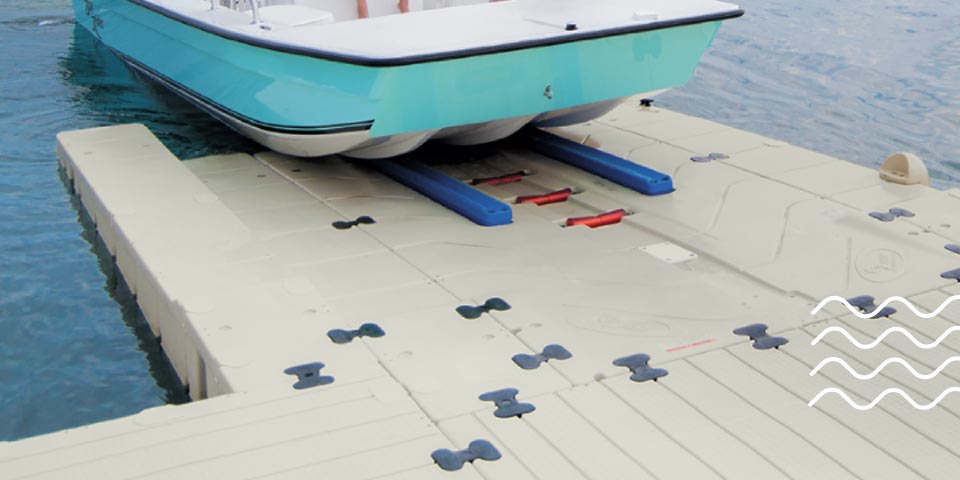
- Dock sections: Individual modules available in multiple shapes and sizes to create a layout that suits your shoreline.
- Low-profile dock: This patented design sits closer to the water, making it ideal for swimming, rowing, fishing or launching small watercraft.
- Walkways: These modular sections create a longer-lasting floating walkway that doesn’t decay or splinter.
- Dock packages: Predesigned packages, including I-, L- and T-shaped docks or custom solutions that rearrange or expand as your needs change.
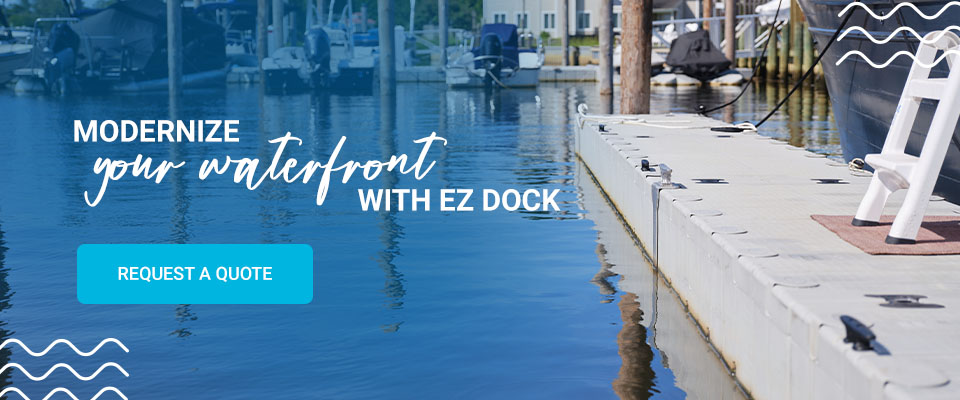
Modernize Your Waterfront With EZ Dock
With lower installation costs, easy annual maintenance and a dock that adds tangible value to your property, a floating dock can make all the difference. Our floating plastic docks last for decades with minimal upkeep, giving you more time on the water and less time worrying about repairs.
Whether you’re upgrading from a wood dock or installing your first system, EZ Dock is here to help. Request a no-obligation quote or contact our team today to connect with a distributor who can walk you through your options.