Filters
Optimizing Your Pontoon Boat Lift
If you’re shopping for a lift for your pontoon, you’ve probably heard conflicting advice about whether you need special equipment. Here’s the truth: the bunk package matters most.
A versatile lift with bunks configured for pontoons will keep your boat stable and protected. Using V-hull bunks can warp logs and create boarding difficulties.
Understanding how boat lifts work for pontoons starts with the right lift configuration — one that gives you a stable and low-maintenance way to dock your pontoon so you can spend more time enjoying the water.
Why Your Bunk Package Matters
One of the most common questions pontoon owners ask is whether using a boat lift versus a pontoon lift makes a difference. The answer might surprise you: the lift frames are essentially the same. What changes everything is the bunk package you choose.
Using a lift equipped with V-hull bunks for your pontoon means those bunks have to support a hull shape they weren’t designed for. Pontoons have a wider stance and a unique log configuration that V-hull bunks can’t cradle properly.
The wrong bunk setup can lead to warped logs and boarding challenges. The logs may settle unevenly or shift during loading, creating stress points that compromise your hull. To keep your pontoon stable, you need bunks specifically configured for the wider spacing between logs.
Many existing lift frames can accommodate both V-hulls and pontoons — you just need to swap out the bunk package. This simple change gives you peace of mind that your boat is properly supported.
A Versatile Frame Is Key
Now that you know why the bunk package matters so much, let’s talk about what makes a lift frame worth investing in. The best lift systems give you flexibility to adapt as your needs change.
Look for an Adaptable Frame
A versatile lift frame lets you adjust key components to match different boat types and sizes. Look for adjustable torsion bars that can be swapped to handle different weight distributions and beam widths.
Most pontoons have beams around 8 feet 6 inches, and larger models can exceed 10 feet. Interchangeable channels accommodate these wider measurements and ensure proper support.
Modular design is another feature worth prioritizing. Component-based systems let you reconfigure rather than replace components as your boating needs evolve. If you upgrade to a tritoon down the road or switch to a different boat style, an adaptable frame saves you from starting over.
Benefits of a Versatile Design
Investing in a versatile frame saves you money and headaches down the line. A lift that handles multiple boat types through simple component changes future-proofs your dock setup. You might start with a pontoon, but later decide you want a V-hull fishing boat. With an adaptable frame, you’re looking at a bunk package swap instead of a complete lift replacement.
This kind of flexibility in your dock system also boosts your property’s resale value. A lift that works for different boats appeals to a wider range of buyers. Consider thinking beyond your current boat to what your waterfront might need five or 10 years from now.
How Aegis™ Lifts Support Pontoons
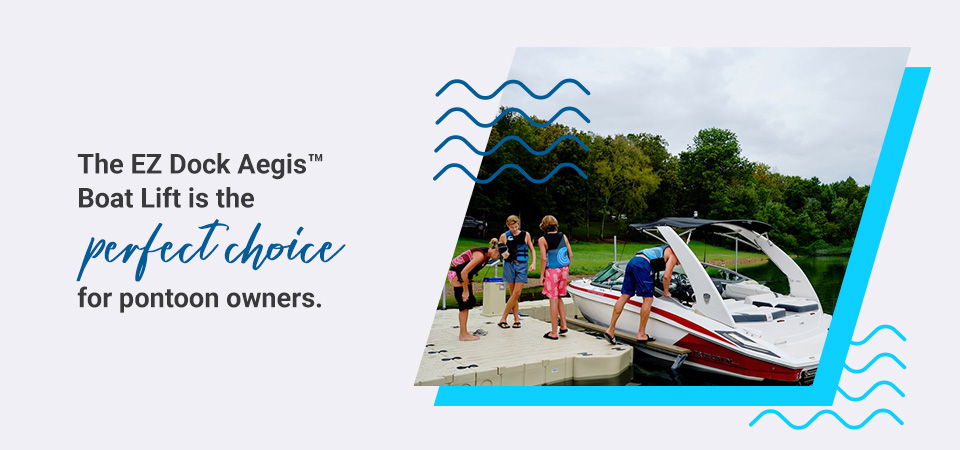
If you’re looking for a lift that combines versatility with durability, the Aegis™ stands out. This system has an adaptable frame paired with the right bunk configuration to keep your pontoon stable and well-supported.
The Aegis Versatile Frame
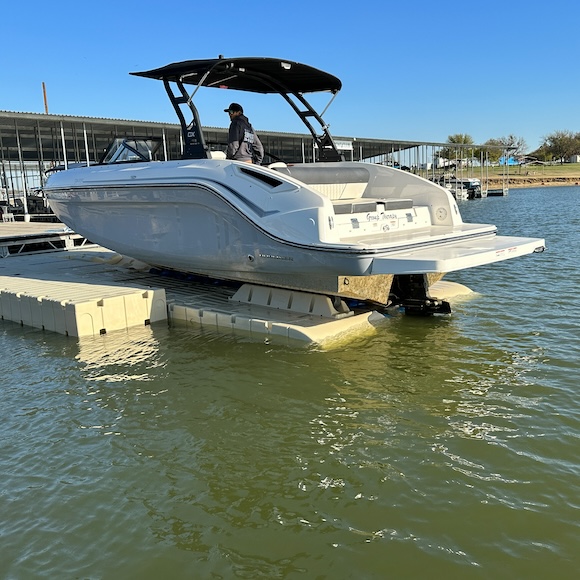
The Aegis boat lift features a galvanized steel frame that withstands harsh water conditions year after year. Galvanized steel resists corrosion far better than untreated steel, delivering less maintenance and a longer lifespan. The frame fits a variety of hull configurations, including pontoons and tritoons, by allowing you to adjust torsion bars and channels for wider beams.
The Aegis gives you a multipurpose lift that adapts as your needs change. The frame can be configured for different boat types, making it a smart long-term choice. Whether you’re dealing with a standard two-log pontoon or a tritoon with three logs, the setup cradles your boat correctly.
Carpeted Bunks Protect Your Boat
The Aegis uses fully adjustable carpeted bunks that give your pontoon the support it needs without damaging the hull. Carpeted bunks provide a cushioned surface that evenly distributes weight across the logs, preventing stress points that can lead to warping. The carpet also reduces friction during loading or unloading, which smooths the process and safeguards your finish.
These bunks can be positioned to match the specific spacing of your pontoon logs. Proper configuration means your pontoon sits level and stable — ready for your next trip out on the water.
3 Essential Pontoon Lift Configuration Factors
Beyond choosing a versatile frame and the right bunks, knowing when you need a pontoon lift with specific features helps you get the most from your system.
1. Match Lift Capacity to Weight
When you need a boat lift for your pontoon, one of the most important specs to check is lift capacity. You need a lift that can handle your pontoon’s fully loaded weight — not just the boat itself, but also fuel, gear and any equipment you keep on board. The Aegis has a flotation capacity of up to 7,000 pounds and supports boats up to 28 feet, which covers most pontoon sizes comfortably.
The right operation helps you get the most value from using your boat lift over its lifetime. Keep passengers on the dock since boat lifts are designed specifically for lifting boats. The added weight can strain cables and accelerate wear. Remove heavy gear before raising the lift for the same reason.
Once the boat is in the water and floating freely, passengers and equipment can come aboard.
2. Consider Your Water Conditions
Your local water conditions play a big role in which lift setup works best. Fluctuating water levels — common in lakes and rivers — pair well with a floating air-assist lift like the Aegis. This kind of lift adjusts naturally with the water, so your boat stays at the right height throughout the season, regardless of water levels.
Shallow water presents its own challenges. Some lift systems handle shallow depths better than others, and you’ll want to avoid bottoming out. Wave action is another consideration — if your dock sees a lot of wake from passing boats, look for lifts that stay stable in choppy conditions.
Lakes and rivers with significant seasonal fluctuation need lifts that can adapt to depth changes. If you’re in a shallow-water area, exploring shallow-water boat lift options can help you find a system that works with your conditions.
3. Ensure Stability with Anchoring
Every lift system depends on a solid anchoring foundation for optimal performance. The right anchoring method depends on your water conditions and bottom type. Auger anchors drill into mud or soft sediment, making them ideal for soft lake bottoms.
Rocky areas call for concrete weights or pilings that provide stability on hard surfaces. In high-wind zones, heavier anchoring systems keep everything secure during storms.
A stable setup prevents your lift from drifting, which safeguards your boat and the lift itself. Consider the typical weather patterns in your area and the type of bottom you’re working with as you select an anchoring system for your dock.
Protect Your Investment With EZ Dock
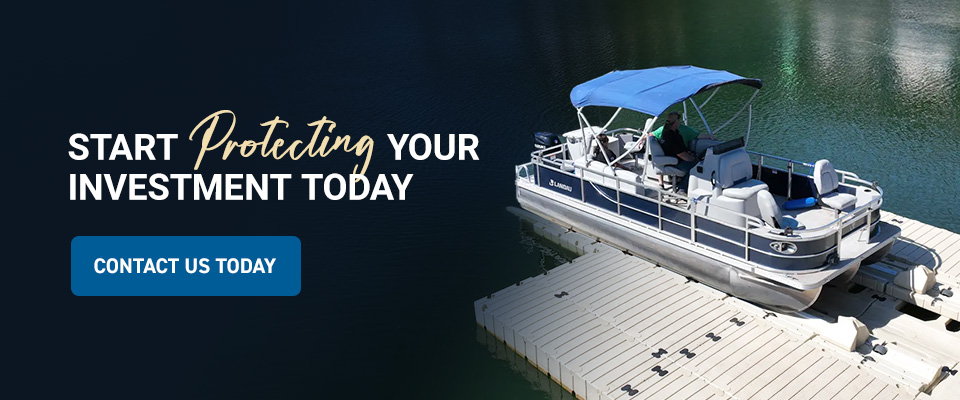
Your pontoon is built for fun on the water — weekends with family and everything that makes waterfront living great. Keeping it in top shape starts with using a lift that’s set up correctly.
When you need a pontoon lift, EZ Dock has been the pioneer in floating dock solutions for over 26 years. Our Aegis lift system can be configured with the right bunk package to give your pontoon the support it needs.
Whether you’re dealing with fluctuating water levels or just want a low-maintenance setup, we can help. To explore lift options for your waterfront, request a quote or contact us today.