Filters
How to Introduce Your Kids to Watersports
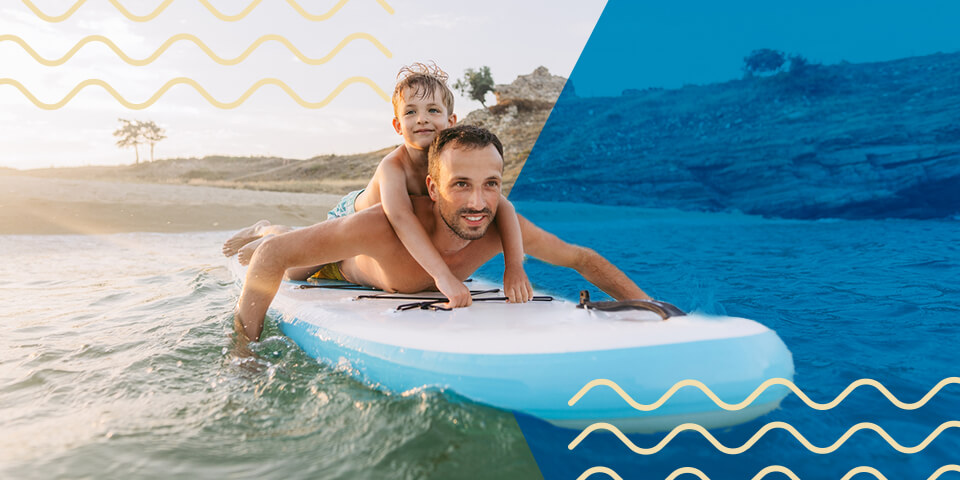
Getting children excited about the water can be one of the most rewarding experiences for a parent. Whether it’s their first time dipping a toe off the dock or learning to paddle in calm waters, creating a positive early experience is key. With a thoughtful approach, you can help your child build confidence on and around the water, discover exciting new hobbies and build life skills that carry far beyond the dock.
This guide explores the benefits of watersports for kids, plus practical tips for introducing kids to the water in a safe and fun way for everyone.
Step 1: Ensure Comfort and Safety
Before kids grab a paddle or hop on a tube, they need to feel at ease. This first step sets the tone for every future experience and helps parents feel confident.
Get Kids Comfortable Near Water
The simplest path to building comfort is to start small. Instead of jumping directly into swimming or paddling, encourage dockside play. Let children feed fish, dip their toes or wade in shallow water. Encourage splashing and exploration, letting children set the pace so the experience remains positive.
Adding playful water toys like blasters or noodles helps create familiarity and excitement, making the idea of venturing further into the water feel natural.
Maintain Dock Safety
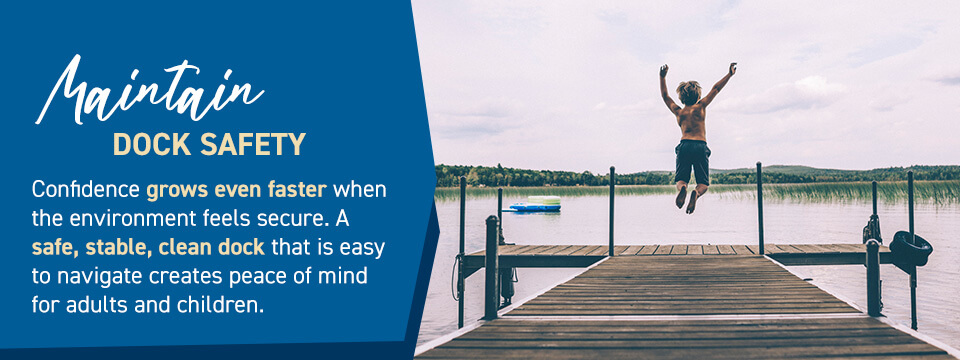
Confidence grows even faster when the environment feels secure. A safe, stable, clean dock that is easy to navigate creates peace of mind for adults and children. Invest in slip-resistant docks and keep the surface clear of tripping hazards so kids can move freely without worry. Sturdy ladders and handrails make entering and exiting the water less stressful, especially for younger kids.
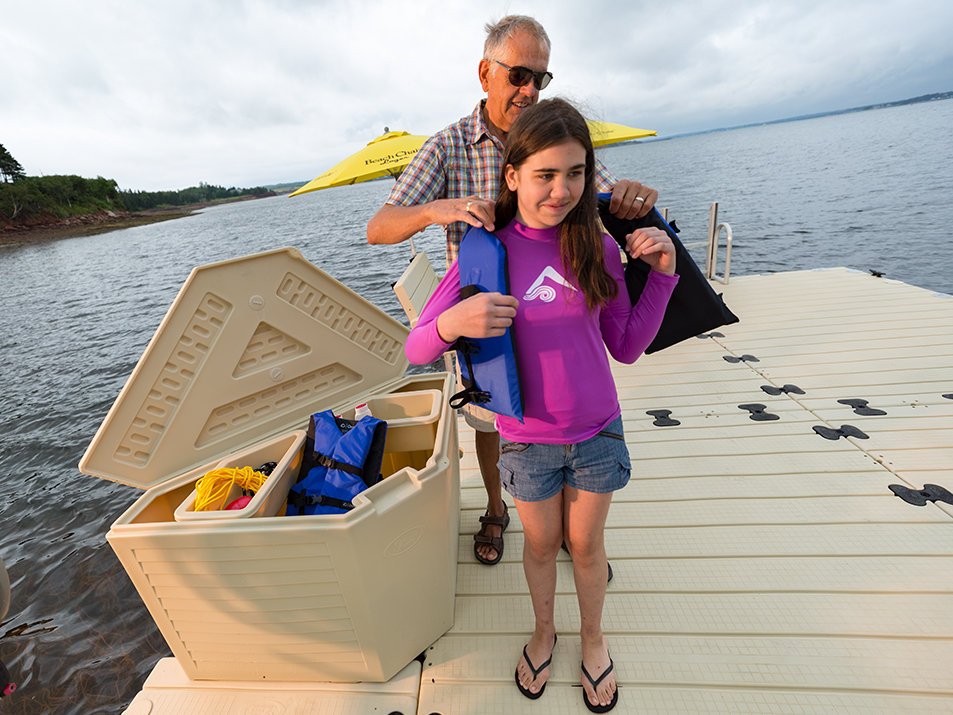
Check that each dock section is firmly connected if you have a modular dock, so there is no unexpected movement underfoot. To reduce clutter, designate bins or boxes for storing life jackets, toys and paddles.
Invest in Life Jackets and Quality Gear
Once kids are comfortable getting into the water, the right equipment becomes your most important investment. Life jackets should be one of the first items you pack every time. Choose U.S. Coast Guard-approved life jackets and make sure they fit the child’s age, size and weight so they remain secure and comfortable during activities.
Helmets are a smart choice for higher-energy activities like tubing or boarding, where the potential for falls is higher. Sun protection matters as well. Waterproof sunscreen, wide-brimmed hats and UV-blocking shirts keep long afternoons enjoyable.
Make a habit of checking all activity equipment before use. Replace any ropes, tubes or boards with signs of wear to prevent mishaps.
Set Clear Rules and Maintain Maximum Supervision
Clear, simple rules help create safe habits early. Establish guidelines like never running on the dock, staying within sight of an adult and keeping rough play away from the water’s edge. Explain the dangers of boat propellers and teach kids to keep their distance from engines, even when they appear off. Above all, maintain active supervision when children are near the water.
Be Prepared for Emergencies
Keep a stocked first-aid kit and rescue tools such as a throw ring and rope whenever you are on the dock. Parents and older siblings can also learn CPR and basic rescue skills so they are ready to respond if needed. Children notice this level of preparation, and it reassures them that safety is always part of the plan.
Step 2: Start With Easy, Fun Water Activities for Beginners
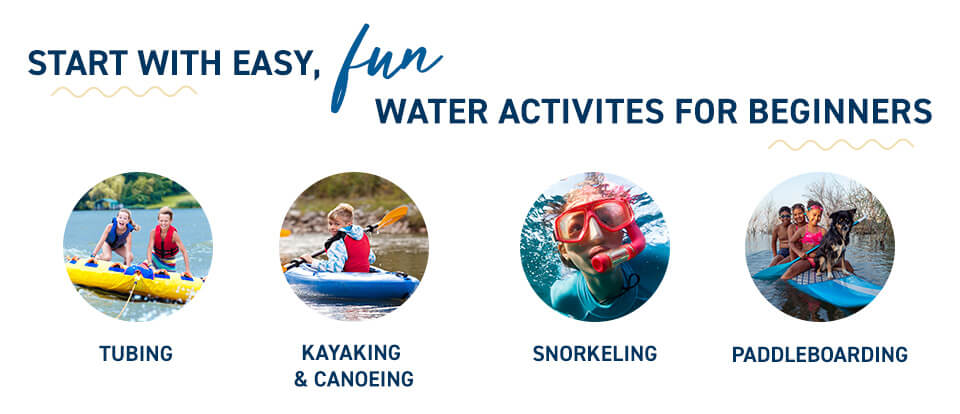
Once children are comfortable near the water and understand basic safety, it’s time to introduce lighthearted and low-pressure activities. The goal at this stage is to make each session enjoyable so kids want to return for more.
Tubing
Tubing is one of the simplest ways to introduce kids to watersports because it balances excitement with comfort. Start with slow, gentle rides on a couch-style tube that allows them to sit with an adult. Sitting side by side keeps the experience social and comforting while letting kids feel the thrill of gliding across the water. As their confidence grows, you can gradually add a little more speed to keep things fun.
Kayaking and Canoeing
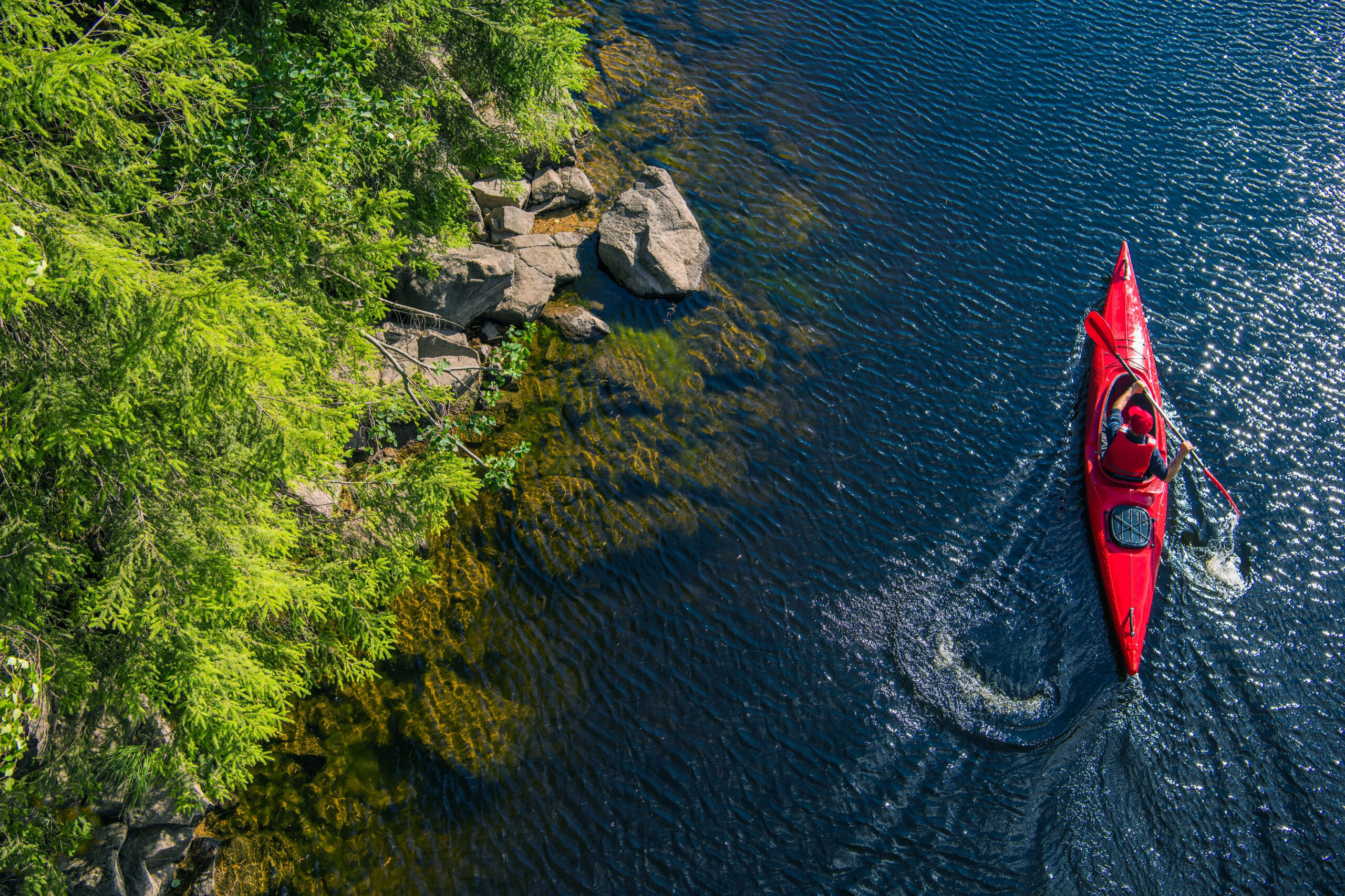
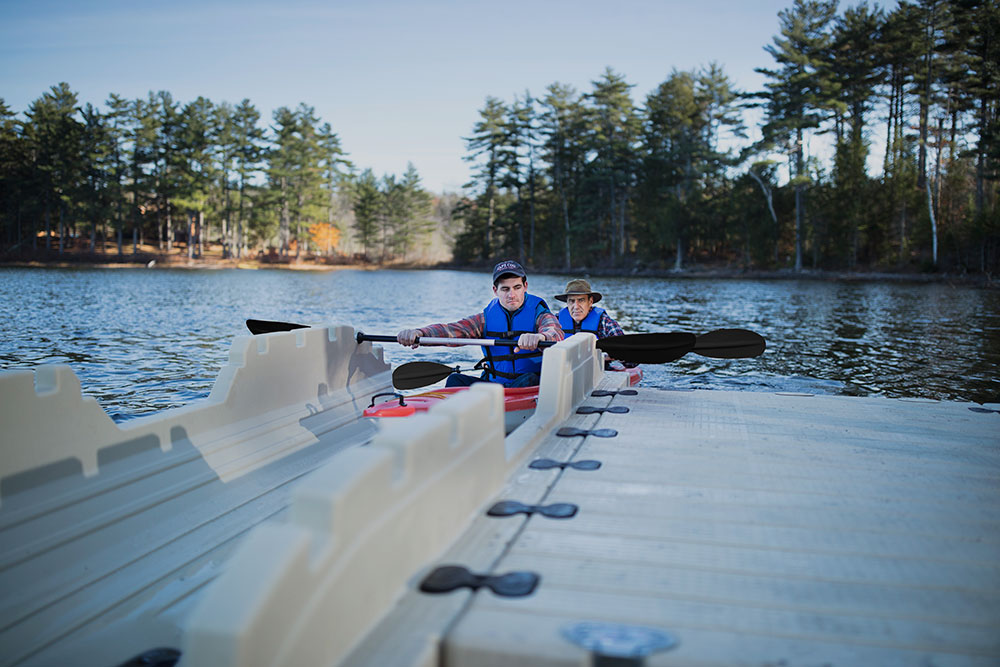
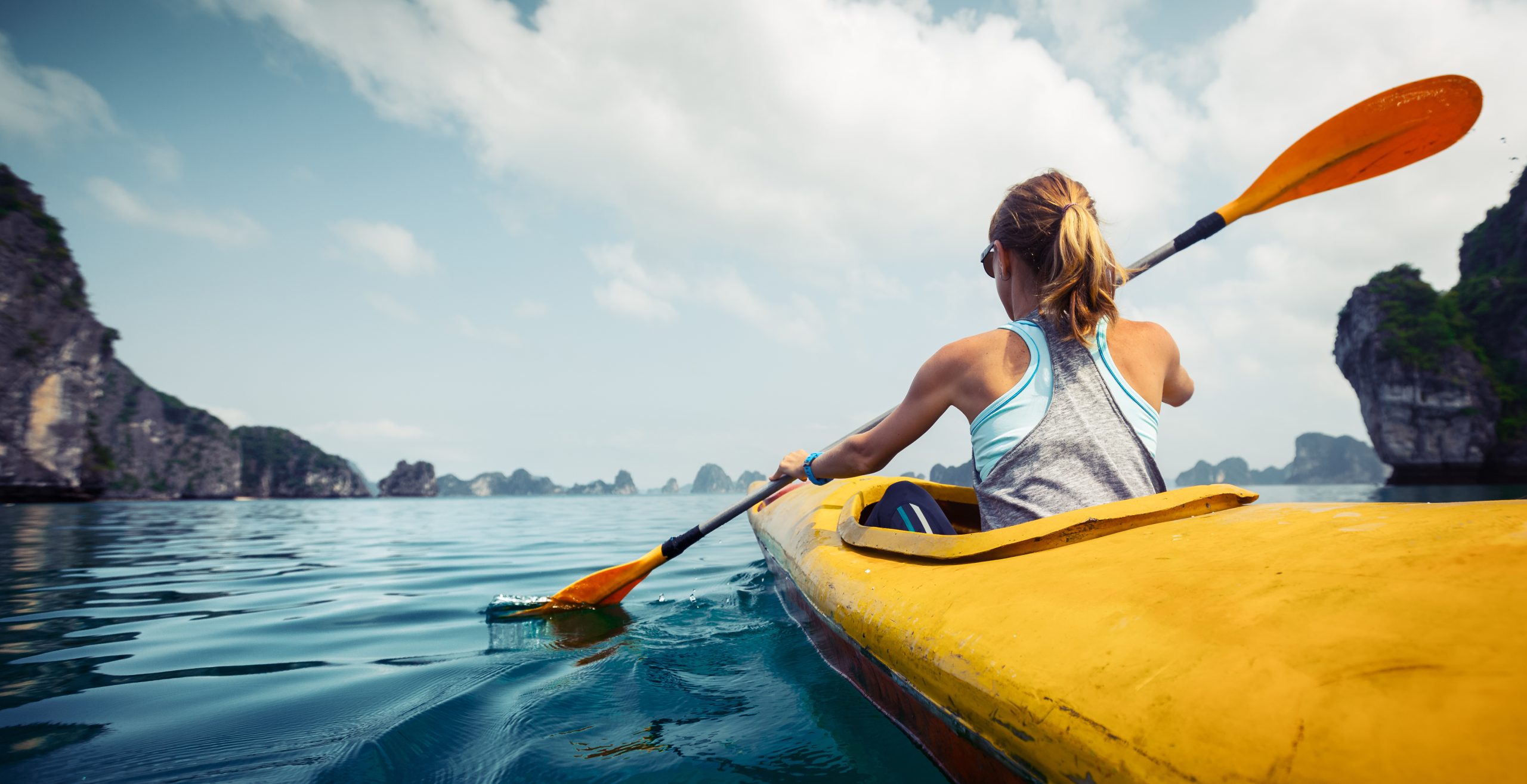
Few activities bring families together like paddling in tandem. Sharing a kayak or canoe allows an adult to guide strokes while a child learns basic motions. Quiet coves or calm lakes make the best classrooms, where kids can practice teamwork without the distraction of waves or boat traffic. Bringing along snacks or creating a “floating picnic” can add an element of adventure. These small touches make the experience less about technique and more about enjoying time together.
Snorkeling
Snorkeling introduces children to the underwater world in a safe, approachable way. Start in shallow, clear water close to the shore where visibility is high and conditions are calm. Child-sized masks and fins make it easier for kids to participate without feeling weighed down. Even short sessions can feel magical to kids, as the underwater view offers a perspective completely different from time spent on the dock.
Paddleboarding
Paddleboarding offers a perfect combination of adventure and calm. Begin with wide, stable boards so kids can kneel or sit as they get used to the motion of the water before attempting to stand.
Parents can start with calm, shallow water so kids feel safe if they tip over. Short practice sessions, paired with encouragement, help children progress steadily while giving them the satisfaction of mastering new skills.
Step 3: Progress to More Advanced Watersports
Families can gradually introduce more challenging options once children are comfortable with beginner activities. These sports require more coordination and confidence, but with patience, they open the door to new skills and excitement.
Kneeboarding
Kneeboarding provides a natural bridge from beginner sports to more advanced ones. Kneeling close to the water’s surface lowers the center of gravity, making it easier to balance. Start in calm water and help your child practice holding a position on the board while being gently towed. As they become more confident, they can try small turns or gliding outside the wake for an extra thrill.
Trainer Skis
Trainer skis are connected at the front, giving beginners extra stability as they practice standing up for the first time. With gentle acceleration from the boat and clear instructions from adults, kids can learn how to stay upright and begin steering. Having an adult in the water during early attempts can help increase security and turn the process into a shared challenge that builds skill and trust.
Wakeboarding
For older kids seeking excitement, wakeboarding introduces a new level of thrill while still being approachable. Beginner boards are designed for stability, and slower boat speeds keep falls less intimidating.
The first step is learning how to pop up from the water and maintain balance. Celebrate each attempt, whether they stay up for two seconds or two minutes, so the focus remains on fun and progress rather than perfection.
Waterskiing
For kids ready to take on a greater challenge, traditional waterskiing is an awesome next step. Using a short tow rope and maintaining steady boat speeds makes it easier for children to practice balance before trying more advanced techniques.
Having an adult in the water to guide them during the first few tries is also crucial for this watersport to make the experience less intimidating.
Windsurfing and Sailing
Older children who are ready for structured lessons can explore sports such as windsurfing or sailing using lightweight rigs and smaller boats designed specifically for young learners.
Professional instruction allows kids to develop technical skills while keeping the experience safe and engaging. These lessons often spark a lifelong interest in watersports.
Why Watersports Are Great for Kids and Families
Spending time in and around the water benefits children in countless ways. Beyond the excitement of new adventures, watersports for kids nurture healthy bodies, resilient minds and stronger family bonds.
Physical Benefits
Active play in the water strengthens a child’s body in ways that few other activities can:
- Improved cardiovascular health: Watersports for kids, such as swimming, kayaking or paddleboarding, can strengthen the heart and lungs. Unlike many sports, water activities cushion the joints, making them accessible for children of different ages and fitness levels.
- Increased muscle strength, balance and coordination: Activities like rowing or paddleboarding require kids to use multiple muscle groups, helping them develop balance, coordination and core strength.
- Enhanced motor skills and flexibility: Even simple movements like kicking underwater or adjusting balance on a board refine coordination. Kids who spend time in the water often show improved agility and posture on land.
Mental and Emotional Benefits
Beyond physical development, watersports play an important role in a child’s mental well-being:
- Boosted self-confidence: Mastering a new skill, whether standing on a paddleboard or staying balanced on a tube, helps kids see what they can accomplish. That boost often carries into school, friendships and throughout life.
- Reduced stress and anxiety: The combination of fresh air, sunshine and spending time on or near the water naturally soothes the mind. Kids who might feel anxious indoors often unwind once they’re focused on play outdoors.
- Increased resilience and perseverance: Watersports inevitably involve falls and splashes. Overcoming those moments teaches persistence and builds a healthy attitude toward setbacks.
Social and Family Benefits
Watersports offer great opportunities for kids to connect with each other, parents and nature:
- Teamwork and communication: Kayaking, tubing or sailing with others requires constant communication and cooperation. These lessons in teamwork often spill over into other areas of life.
- Family bonding: Annual trips to the ocean or Saturday mornings at the dock can become family rituals that children look forward to. They can also provide the setting for sacred childhood memories and stories.
- Respect for nature and safety: When kids learn to treat water respectfully, they also learn responsibility. Rules about safe zones, gear and environmental care naturally become part of the family routine.
7 Tips for Making Watersports Fun and Stress-Free
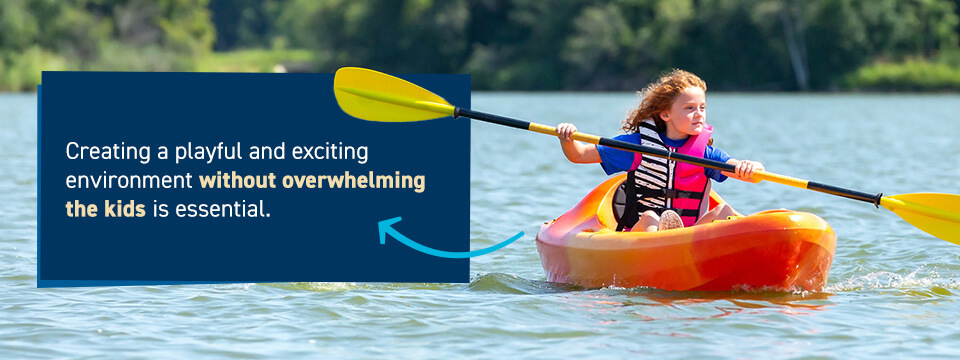
Creating a playful and exciting environment without overwhelming the kids is essential. Here are a few more tips for introducing kids to watersports:
- Keep sessions short and positive: Ending on a high note is one of the simplest ways to keep children engaged. Activities that wrap up before kids grow tired or frustrated leave them eager for the next outing.
- Take frequent breaks: Frequent breaks for snacks, hydration and sunscreen reapplication help sustain energy levels and prevent fatigue.
- Let kids set the pace: Offering children choices about which activity to try and when to pause keeps the experience pressure-free. This autonomy helps them feel in control, which encourages confidence and a willingness to experiment.
- Celebrate small victories: Whether standing up on a board for the first time or paddling a short distance on their own, every milestone matters. Applauding effort over results reinforces a growth mindset and keeps spirits high.
- Mix up activities: Variety prevents boredom and keeps the day lively. Families might rotate between paddleboarding, tubing and swimming with land-based breaks like picnics or nature walks. Switching gears frequently ensures children remain excited and refreshed.
- Model enthusiasm: Kids learn by watching. When parents join in the activities with genuine enjoyment, children naturally follow their lead.
- Keep safety first: As sports become faster and more demanding, safety should stay at the forefront. Helmets, life jackets and other protective gear are recommended for activities such as wakeboarding or waterskiing. Parents should also check weather forecasts and water conditions before heading out, since wind, waves, intense heat or storms can change the experience dramatically.
Setting Up Your Dock for Family Watersports
The dock is often the centerpiece of family activity on the water. Designing it with safety and comfort in mind turns it into a place where kids feel secure and parents can relax.
- Choose the right dock features: Modular, low-maintenance plastic docks allow you to reconfigure the layout as your needs change. Rounded edges and slip-resistant surfaces provide peace of mind when kids run barefoot to grab a paddle or life jacket. For families that welcome all ages and abilities, ADA-accessible ramps make entering and exiting the water easy for everyone.
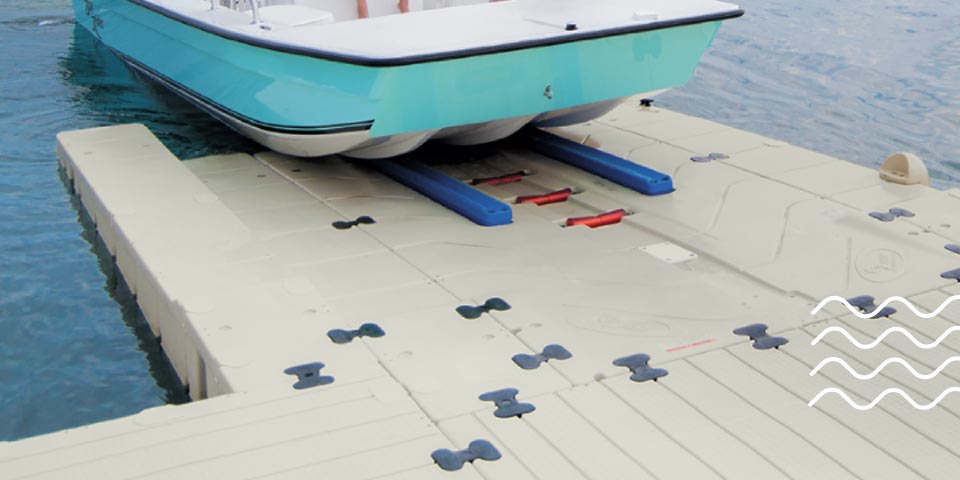
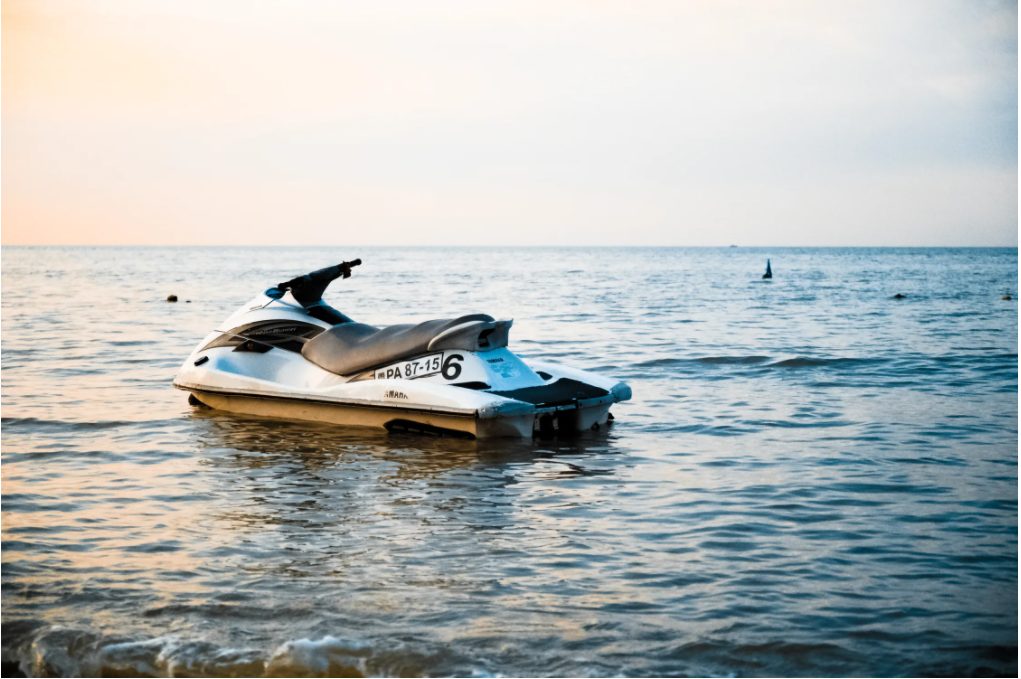
- Add thoughtful accessories: Small additions can make a big difference in comfort and function. Ladders provide easy access and benches offer great resting spots, while shade canopies keep everyone cool during long summer afternoons. Storage boxes for paddles, life jackets and toys reduce clutter, keeping walkways clear and organized. Cleats and bumpers make docking boats and personal watercraft (PWC) straightforward and safe.
- Create a family base camp: Consider creating a designated spot to gather and gear up. Setting up shaded seating near the dock gives adults a comfortable vantage point for supervising children in the water. A cooler with drinks and snacks keeps energy levels high, and a gear-up zone for strapping on life jackets or preparing boards ensures smoother transitions from land to water.
Turn Your Waterfront Into a Family Playground With EZ Dock
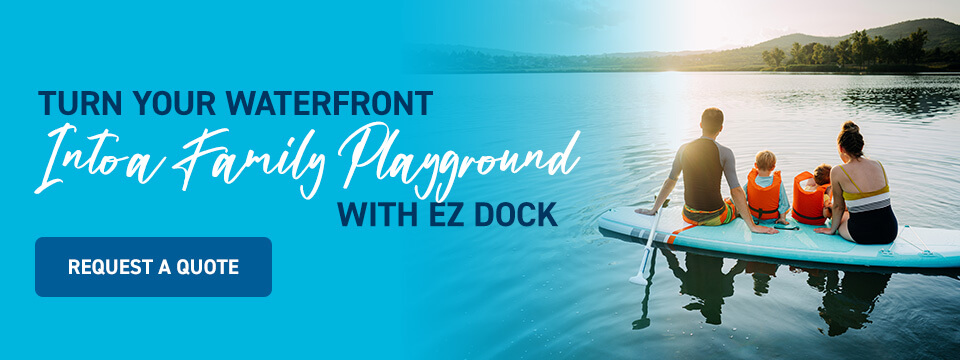
Introducing your children to watersports is one of the best gifts you can share. From the first time they splash by the dock to mastering a paddleboard or skis, these moments create memories that last for generations. Making those experiences easier begins with a reliable dock system that supports every stage of the journey.
EZ Dock offers modular floating docks that are durable, low-maintenance and stable in changing water levels. The modular sections can be reconfigured over time, allowing your dock to grow and adapt with your family’s activities. With slip-resistant surfaces, innovative coupling designs and accessories tailored for families, our docks are built to handle everyday use as well as the elements.
Request a Quote From EZ Dock Today
Whether you want a low-profile dock for easy access when tubing or kayaking, or storage options to keep gear organized, EZ Dock provides a premium solution for family-friendly waterfront living. Request a quote today for docks and accessories that fit your shoreline, and discover why many families call it the best investment in their waterfront lifestyle.