Filters
Safety Tips for Boating With Your Dog
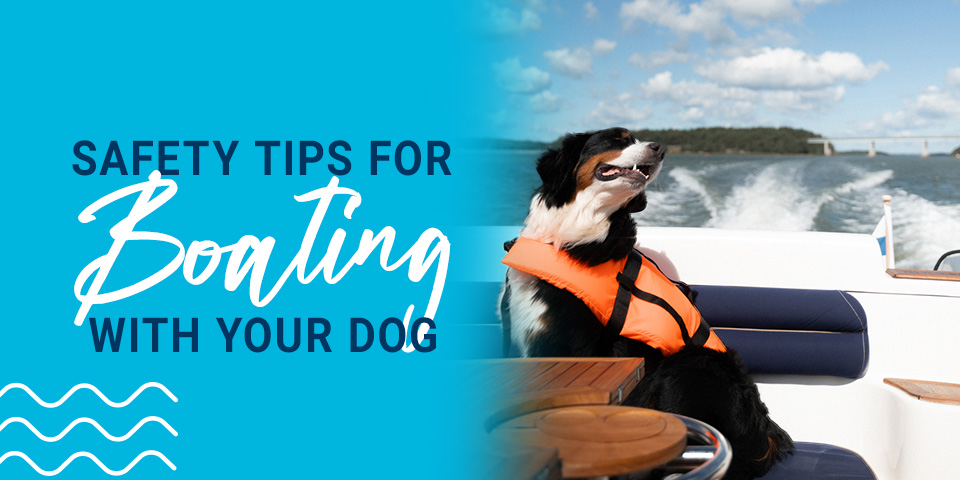
Planning a day on the water with your favorite pup takes some preparation, but the memories you’ll make are well worth the effort. Here’s how to boat with your dog for maximum fun and minimal risk.
How to Prepare for Your Dog’s Boat Trip
Enjoying a safe, memorable day on the water with your best friend starts long before launch. If you’ve decided to take your dog boating, begin with these tasks:
1. Talk to Your Vet
It’s a good idea to schedule your dog for a checkup before any new, potentially stressful event — especially if this is their first time out. If your dog has gotten motion sickness before, ask about safe medications you can administer for seasickness. This is also a great time to confirm that you know the warning signs of dehydration and heatstroke.
2. Brush up on Obedience Training
While it’s normal for water-loving dogs to get excited and even a little rambunctious while aboard the boat, loss of control could be dangerous for you, your pet and those around you. You need to know you can trust your dog to head commands when needed, even if you plan to leash them most of the journey. Spend the weeks before your trip brushing up on the basics like “sit,” “stay” and “down.”
3. Allow Time for Acclimation
Don’t assume your dog will enjoy the water or experience of boating just because they are a certain breed or have liked similar activities in the past. Boats introduce many new stimuli and sensations that could cause fear or distress.
Set your pup up for success by allowing plenty of acclimation time. Let them board the boat while on land so they can smell and explore the new environment, and start the engine a few times so they can get used to the sound it makes. If they seem unsure, consider starting with a shorter trip until they build up confidence.
4. Gather the Essentials
The most stress-free pet parents are those who come prepared! Have the following items on hand before the big day so you can enjoy the ride with peace of mind:
- Fresh drinking water: It’s a good idea to bring at least twice as much fresh water as you think you’ll need.
- First-aid kit: Your dog’s first-aid kit should have bandages, antibiotic ointment, wound cleaning supplies, styptic powder, tweezers and other supplies that align with your destination and type of water. If your vet prescribed medication for motion sickness, don’t forget to stash it inside. It’s also helpful to include pet wipes to clean your dog’s coat after they exit the water.
- Life jacket: The most important tip for boating safely with your dog is investing in a life jacket that fits well and won’t cause your pup to overheat. Make sure they have the jacket on at all times, even if they’re not in the water.
- Sunscreen: Dogs can get sunburn, especially if they have lighter or shorter coats. Apply a pet-safe, vet-recommended sunscreen before the trip and regularly throughout the day. Do not use human-grade products, as they can be highly toxic.
- Pet-accessible ladder: Most boat ladders are too slippery for pet use, so be sure to install a dog-friendly one if you anticipate any swimming.
- Nonslip mats: Nonslip mats are great for adding extra grip on slippery surfaces.
- Puppy pads: Lay down a puppy pad or patch of artificial turf in case your pup has to go before you can make it to land.
- Leash: Leashes should be made from water-resistant materials and be short enough to prevent your dog from jumping over the edge of the boat while wearing it.
- Shade: If your boat doesn’t have a shade feature built in, bring a small pop-up tent or umbrella fixture that you can secure while in motion.
- ID tag: Make sure your dog’s collar is equipped with an ID tag that lists their name, your phone number and any essential health information.
- Flashlight: Dogs can be hard to spot in low light — bring a flashlight with good visibility so you always know where they are.
- Dog booties: Follow the seven-second rule before letting your dog walk across any paved or concrete surfaces. If your hand gets hot after keeping it pressed to the ground for seven seconds, keep your pup at home or have them wear booties on each foot. Consider booties if your dog has sensitive paw pads or you’ll be boating in an area with rocky shorelines.
If you’re launching from home, it’s also helpful to install a floating dock that adjusts with the water level to simplify the boarding and exiting process for your dog.
5. Plan Ahead
Plan your trip ahead to reduce the chance of unnecessary risks. Some bodies of water, like stagnant or slow-moving ponds and lakes prone to toxic blue-green algae, are dangerous for dogs to swim in. Know the signs of harmful algal growth and check with the local health department to confirm the water is safe before letting your pup on the boat.
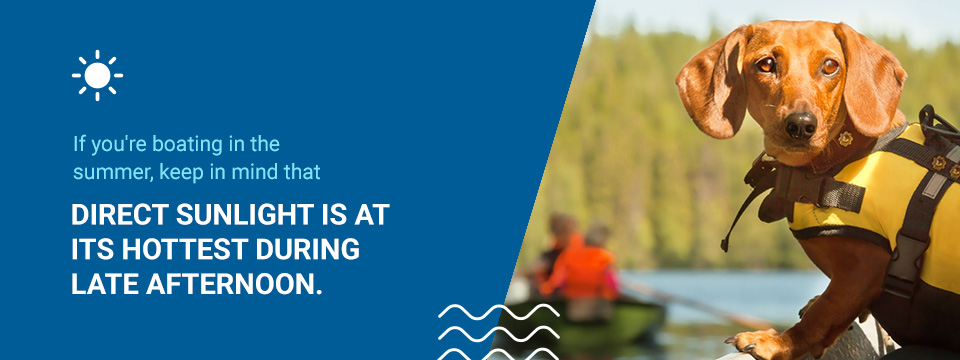
If you’re boating in the summer, keep in mind that direct sunlight is at its hottest during late afternoon. Plan your trip for cooler parts of the day to avoid heatstroke. If you’re planning an all-day outing, be sure to add plenty of stops on land so your dog can stretch their legs and relive themselves if needed.
4 Water Safety Tips for Boating With Dogs
Once you’ve laid the groundwork and stocked up on the essentials, it’s time to turn those plans into a fun-filled day with your four-legged friend. Follow these tips for taking your dog boating:
1. Keep an Eye on Your Dog
Monitor them closely for signs of fear or distress so you can end the trip if it becomes too much for them. Symptoms of discomfort or anxiety might manifest as:
- Widened eyes.
- Lip licking.
- Tension in the face muscles.
- Raised patches of hair along their back or midline.
- Flat ears or ears positioned backward.
- A tucked tail.
- Cowering or reactivity.
2. Keep Fresh Water Accessible
Keep your pet’s fresh drinking water easily accessible at all times, but be careful not to let them drink too much too quickly. If swimming, be vigilant — don’t let them drink any of the water around them, even if it’s a freshwater source. Rinse them thoroughly after they reboard the boat to remove any bacteria or debris.
3. Incorporate Plenty of Breaks
Swimming is physically exerting for dogs and people alike, and it’s easy to lose track of time. Set a timer on your phone to remind you and your pup that it’s time for a break. This gives them time to rest, rehydrate and fuel up for the next adventure.
4. Dog-Proof Your Boat
When boating with your dog, protect your best friend and your boat with these tips:
- Safeguard against stains and scratches: Trim and file your dog’s nails, and invest in durable fabrics for cushions and seats to reduce the chance of scratches. Be sure to wipe away any mud or dirt from your pet’s paws, and bring a pet-safe cleaning solution to clean up any accidents onboard.
- Secure fuel and chemicals: Make sure all fuel, antifreeze and other chemicals are sealed in durable containers and stashed far away from your pet’s reach.
- Keep the deck clear: Minimize the risk of tripping by keeping the deck clear of extra towels, chairs, coolers and other clutter.
How EZ Dock Simplifies Pet-Friendly Boating
You’ve read all the tips for boating safely with your dog and secured all the essential gear for a day on the water, but all adventures start and end at the dock. EZ Dock floating docks are nonslip and low-profile, making it easier than ever for your four-legged friend to board and exit.
Find a distributor near you to learn how EZ Dock can transform your waterfront. Check out the EZ Dock boat lift, dock lighting and other accessories to enhance your time on the water even more.