Filters
How Deep Does the Water Need to Be for a Floating Dock?
Since floating docks automatically rise and lower with the water level, they make accessing your water easy — regardless of level fluctuations and changing tides. The minimum water depth for a floating dock depends on several factors, including how you use the platform and the surrounding environment. Understanding these factors ensures you get the right dock for your water’s unique requirements.
Luckily, a floating dock can be used in deep and shallow waters, making it an excellent option for all types of shorelines. Explore the specifics and key considerations below.
5 Factors Influencing Water Depth Requirements
How deep does the water have to be to dock a boat? You can typically use a floating dock in three to five feet of water. However, you may prefer to have more room underneath the dock depending on its primary uses.
Here are the top five factors you need to consider when planning how far your dock should be from shore.
1. Size of Watercraft
How large is your watercraft? You should measure the depth of your boat’s hull below the waterline so you know how much room you’ll need alongside your dock. This measurement is called your boat’s draft.
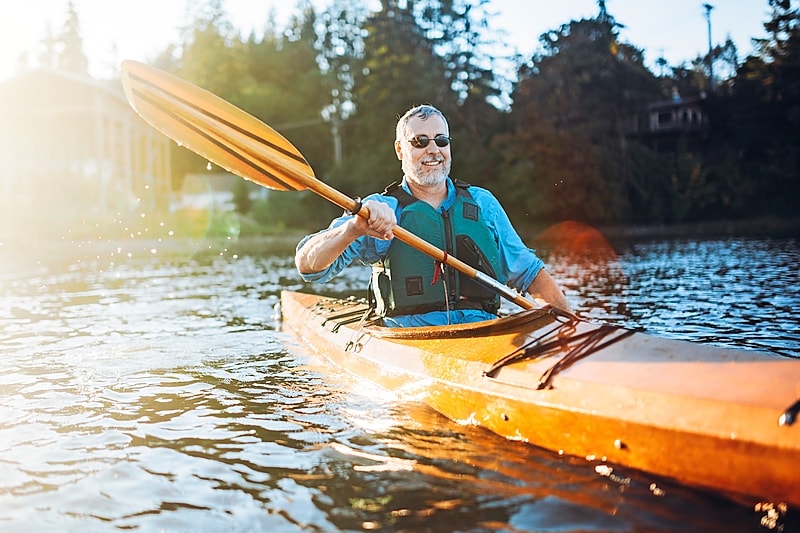
Add several extra feet so there’s no risk of running aground. Remember that your boat may need even more room once it’s loaded with people and equipment. If you’re using your floating dock for smaller watercraft like kayaks or canoes, you won’t need the water to be as deep.
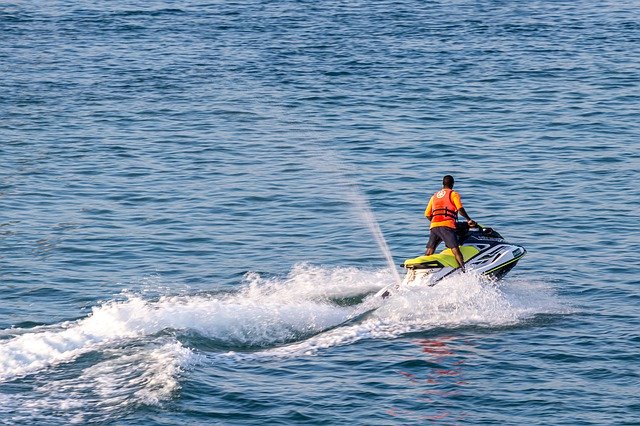
For a mix of boats and PWC, choose a water depth that works best for the largest watercraft you need to dock. If you’re not sure about the best water depth for your boat size, ask a professional for their opinion before installing your dock.
2. Design of Floating Dock
The dock itself also takes up room underwater. Some floating docks are heavier than others, with more material sitting below the waterline. The dock’s configuration and the number of flotation devices all impact how low it sits.
You may also be adding weight to your dock with friends, lawn chairs, a grill or other personal gear. Significant weight can cause the dock to lower into the water, so consider these elements when assessing water depth.
3. Environmental Factors
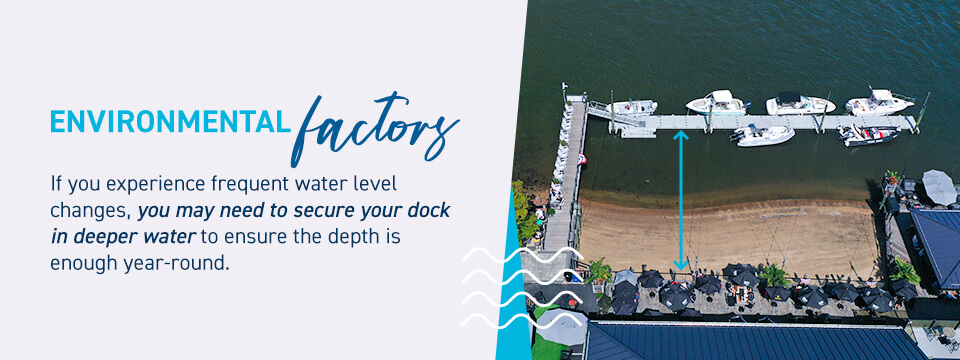
If you experience frequent water level changes, you may need to secure your dock in deeper water to ensure the depth is enough year-round. In that case, it’s a good idea to sound for water depth and install your dock during the time of year when the water is low. When your floating dock lowers with the water level, you’ll still need enough room for your watercraft to safely dock.
Other environmental factors, like waves, are also important for choosing water depth. You may need deeper water for a stronger anchoring system, especially if your dock has to resist currents.
For areas with changing water levels, the anchoring system your floating dock uses must be designed for the deepest water to ensure it’s stable and secure.
4. Local Regulations
Some bodies of water may include protected habitats. In that case, local, state and federal regulations may impact the water depth you need for a floating dock. To know the specific requirements for your body of water, you need to talk with an expert about local guidelines.
Governing bodies like state Departments of Natural Resources (DNR) or the U.S. Army Corps of Engineers (USACE) are good places to start if you want more information. Regulations may impact dock width and length in addition to water depth. Rules can also restrict the flotation materials allowed in a protected body of water. Before building a dock in protected areas, you’ll likely need a permit that’s been approved.
5. Intended Use
On a more personal note, the way you want to use your dock can also influence the right water depth. For example, if you want to go swimming off the dock, you may prefer to have deeper water than required for your watercraft.
If you want the feeling of being surrounded by water while on the dock, you may want to build a longer dock that reaches deeper water.
Frequently Asked Questions About Water Depth for Floating Docks
Here are some commonly asked questions about water depth for floating docks.
How Deep Should the Water Be for Installing a Dock?
Water depth for a floating boat dock needs to be at least two to five feet. However, you may need deeper water if you’re planning to dock a boat or a large PWC. Allowing additional room can ensure your dock is useful year-round, regardless of fluctuating water levels.
What Is the Best Dock for Shallow or Fluctuating Water?
Floating docks are a better fit than fixed docks for shallow or fluctuating water. They rise and lower with the water level, allowing you to always have access to docked watercraft. Modular floating docks can be built farther into the water to help you avoid shallow areas and access deep water for boats.
What Is the Minimum Water Depth for a Floating Dock?
The minimum water depth for a floating dock is two to three feet. However, your boat draft, water fluctuation and bottom conditions for anchoring purposes can also impact the minimum depth. To determine the exact minimum for your location, you should speak with an industrial professional who can evaluate the area.
What Is the Ideal Water Depth for a Floating Dock?
Ideally, you shouldn’t cut it close when it comes to water depth for your floating dock. Although the minimum is two to three feet in some cases, allowing more room is always better. If you’re docking a boat, it’s essential to measure water depth for your boat’s needs instead of just considering the dock draft.
Find the Best Dock for Shallow Water With EZ Dock
EZ Dock has been helping families and businesses enjoy more time on the water for over three decades. Our modular floating dock system can be customized to suit your unique shoreline, allowing you to navigate shallow or fluctuating water easily. When you work with us, our experts will also help you navigate local regulations and requirements.
Our dock products are made of polyethylene material that doesn’t rot, splinter or require maintenance. All dock sections are covered with a 10-year warranty for additional peace of mind. EZ Dock systems are extremely durable and easy to expand over time. We also offer floating walkways, kayak launches and other amenities so you can construct exactly what you need.
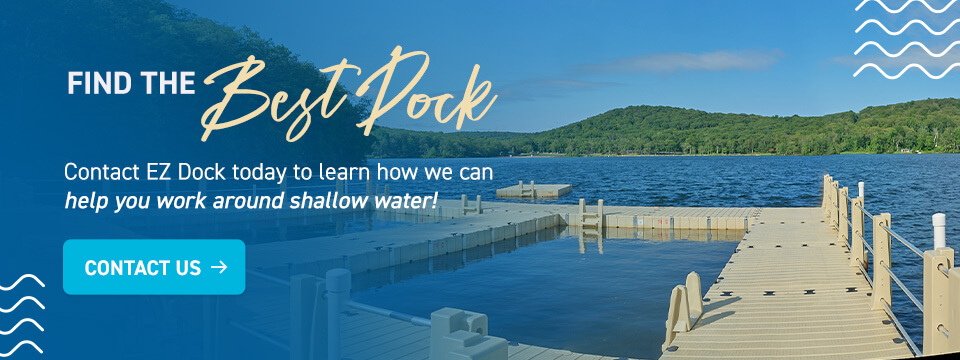
Contact EZ Dock today to learn how we can help you work around shallow water!