Filters
12 Top Social and Mental Health Benefits of Boating
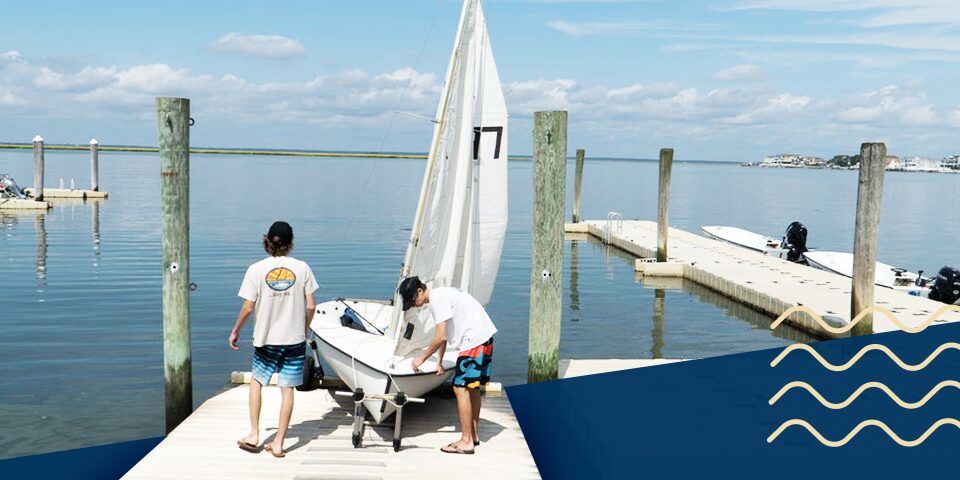
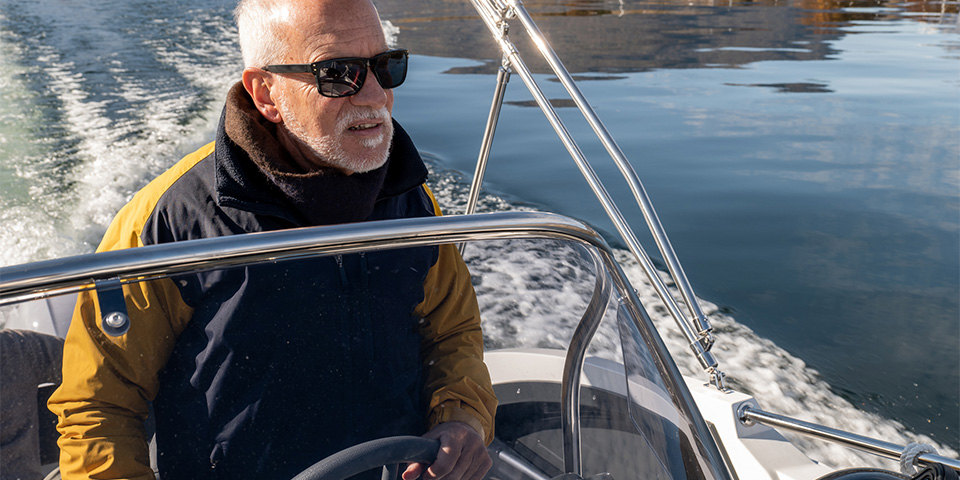
Getting out on the water and enjoying the boating lifestyle can be great for your mental health and your social life. Whether you’re enjoying the thrill of watersports or relaxing by your dock, boating offers many science-backed health and social benefits. Read on and find out why boating is so good for you.
Why Boating Is Good for Your Health
The social benefits of boating can go hand in hand with its mental health benefits. For example, boating gives you a community of like-minded outdoor enthusiasts, reducing loneliness and helping you feel happier and more connected.
Many studies have unpacked why boating is good for your health and well-being, focusing on the psychological effects of being near water and how it can relieve anxiety and stress. We all know how beneficial green spaces can be for our physical and mental health, but this is especially true when green spaces also include water. This may be partly explained by the unique sights, smells and sounds you may find at the beach or a lake.
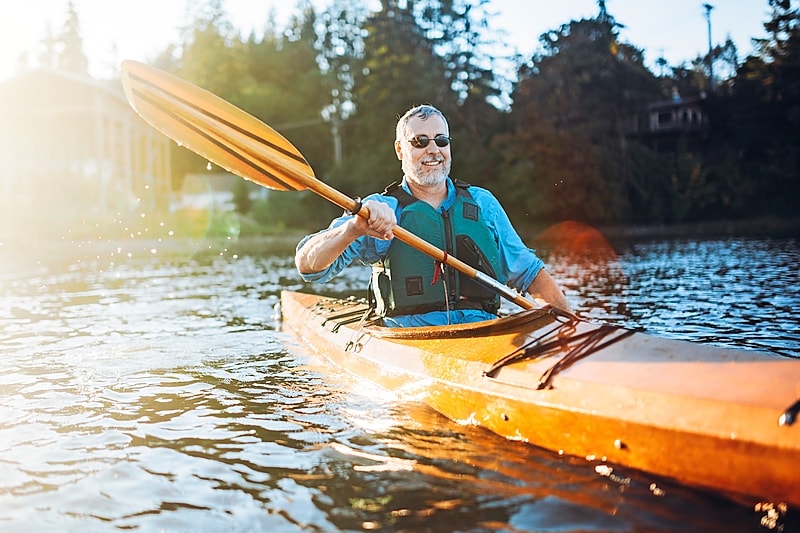
The health benefits of boating and watersports, like kayaking, include increased lung strength and lower blood pressure. Boating can also release endorphins, helping to boost your mood.
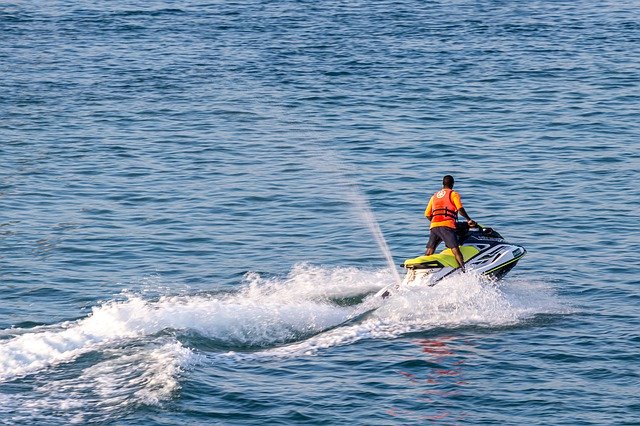
Whatever form of boating you enjoy provides an escape from your daily duties and gives you a chance to unwind. Boating isn’t just about the high-speed thrills of riding a personal watercraft (PWC). The range of activities and the social events that boating offers means you get to spend more time with friends and family. Going fishing, enjoying dinner at your marina or catching the sunset on an evening cruise give you those moments to slow down and connect with your loved ones.
How Boating Improves Mental Health
Let’s explore the benefits of boating to your mind and mental well-being, from stress relief to sharpening your cognitive skills.
1. Relieve Stress and Anxiety
One of the key reasons boating is good for mental health is the concept of “blue mind,” a term coined by marine biologist Wallace J. Nichols. It refers to the boost in well-being you get from being on, in or near water. Many other studies have found that when people spend more time in blue spaces — any outdoor area with water — they are happier and experience less anxiety.
Even just looking at some waves lapping at the dockside can lower your heart rate, bringing down stress levels and blood pressure. Studies also found similar calming effects to watching fish swim in tanks and aquariums, which is why you often see a fish tank in your dentist’s or doctor’s office.
Another reason our oceans, rivers and waterways are so stress-relieving is the sound of the water. In a study of nature sounds, running water sounds were found to have the best cortisol recovery rate.
If you’ve ever stared out at the sea, you may have experienced the feeling of awe at the immensity of nature. Awe is correlated with increased well-being, including reducing anxiety. The feeling can ground you and remind you of your connection to the natural world around you, which can feel comforting and help put any stress or worries you have into perspective.
2. Digital Detox
Americans spend around seven hours a day staring at screens on average. Boating is an excellent way to put your phone and screens away and immerse yourself in nature. When you sail out on a lake or take a sea fishing trip, you cross a physical boundary between land and water, reminding you that you’re stepping away from your stresses to enjoy some recreation.
Additionally, cell phone data and signal can be patchy, especially in more remote waterways. A bad connection helps remove the distraction of looking at your phone, so you can fully enjoy your boating experience.
Sharing your boating trip with friends and family allows you to connect with them. While on the boat, you have a set period where you can focus on your loved ones rather than staring at a screen.
You can ease your screentime overload with outdoor experiences like boating, with studies finding watersports especially useful for students. If you also experience technology fatigue, spending time by or in the water can give you tangible experiences to help you reset and restore your ability to focus.
3. Sharpen Cognitive Skills
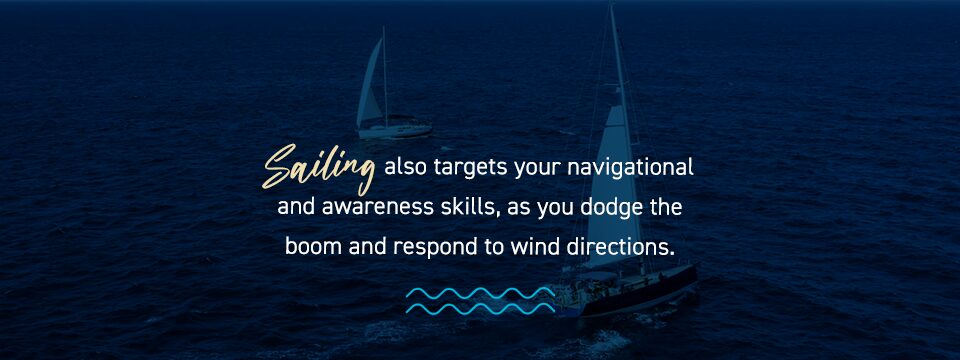
You can try many types of boating, each with its own set of skills to keep your mind active. Canoeing, for example, requires you to harness your motor skills while reacting to changing water currents around you, keeping you on your toes. Sailing also targets your navigational and awareness skills, as you dodge the boom and respond to wind directions. These boating activities can help you stay in the zone and solve problems on the fly.
4. Be More Mindful
Boating and watersports can help you achieve two sorts of mindfulness. The first is being in that mindful flow state you experience when fully concentrating on steering a watercraft and occupying your hands and brain.
The other kind of mindfulness is when you take a peaceful boat trip on a serene lake or body of water. Here, you can let your focus drift and engage your nondirected attention. This drifting can feel restful as you watch the sunset or the ebb and flow of the tide. Nondirected attention is a key part of the attention restoration theory, which suggests that green experiences, including aquatic forms of nature, can refresh your focus and cognitive abilities, giving your brain a break from the demands of your week.
5. Boost Your Mood
Boating can give you a great workout. Whether you’re paddling away in your kayak or using your muscles to cling to your PWC, the benefits of water-based exercise include boosting your mood. Exercise releases endorphins, which naturally help you feel happier and more energised. Even the lower-impact forms of exercise, like steering or docking a motorized boat, can release these brain chemicals.
Being out on the water soaking up the sunshine is an excellent way to top up your Vitamin D levels. Getting enough vitamin D is important for regulating mood, as there are links between vitamin D deficiency and depression or seasonal affective disorder. Be careful to use sunscreen and cover up when you’ve had enough exposure. Getting 10-30 minutes of sunlight daily can also help boost the “feel-good” chemical called serotonin. A morning boating trip could help you regulate your sleep patterns by getting the sunlight exposure you need to stop producing melatonin. As a result, you can regulate your sleep patterns, increasing your sleep quality, which benefits your mental health.
6. Build Confidence
While you may be a seasoned water-skier or a total boating newbie, taking up a new form of watersport or boating can boost your confidence. There are physical challenges, as well as learning the more technical aspects of maneuvering a boat. Oceans and waterways can provide quite a challenge, too. Overcoming all of these can prove that you can do hard things, which can boost your self-esteem.
The Social Advantages of Boating
Another reason why boating can improve your mental health is through all the social benefits it offers. Spending time with our friends and family, forming a community with like-minded people and meeting new faces can all be beneficial for a healthy social life.
1. Quality Time With Loved Ones
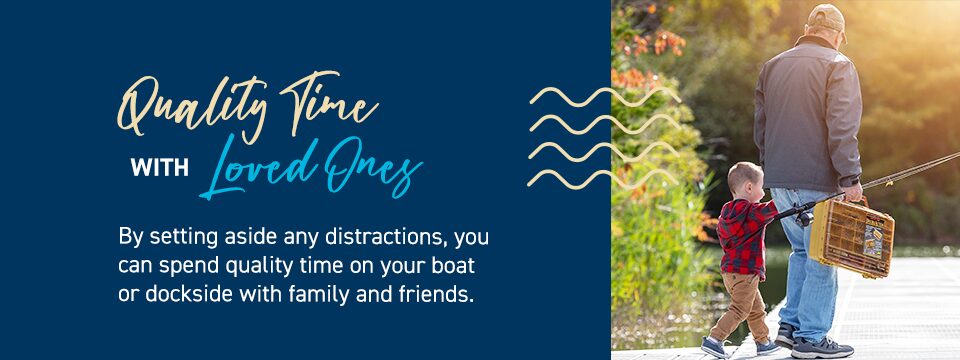
By setting aside any distractions, you can spend quality time on your boat or dockside with family and friends. While out on the water, you can enjoy unforgettable experiences of exploring your local waterways with your loved ones. Boating is something the whole family can enjoy, with different levels of activities suitable for different ages.
Sharing these moments in nature can help bring you closer to your friends and family. It’s the perfect opportunity to have those more meaningful conversations brought about by the stillness of the water and the awe of your environment. From launching a boat to navigating, boating often requires close collaboration and teamwork, which can also strengthen your relationships with loved ones.
Boating can also help you form new, lasting memories with your favorite people and strengthen your bond by enjoying an activity together. These are memories you can reflect on and retell for years to come.
2. Find Your Community
Making new friends can be challenging, but having a hobby similar to others’ can really help. Boating has its community of like-minded people who enjoy the various forms of motorized or nonmotorized boating. You can meet new people in a relaxed, natural environment where you already have the common ground of a shared interest.
You can also get involved in social activities around the boating scene. Even if you’re just getting to know someone over a meal at your local marina, socializing can help strengthen neural networks and boost your brain health.
The feeling of belonging to a community matters. It’s about more than having buddies to go out boating with — it’s knowing you have a support network of connections and friends who care about you. This feeling of connection helps reduce loneliness and gives you the resources to support yourself.
3. Networking Opportunities
Taking your boss or client out for a spin in your speedboat is a surefire way to impress them and show them a good time. But it can also provide those moments to form better business connections and improve teamwork skills.
If you take part in your local boating club, you’ll be part of a network of people with all kinds of skills and occupations. These connections could come in handy if you need a job done in your house, for example.
4. Enjoy Events
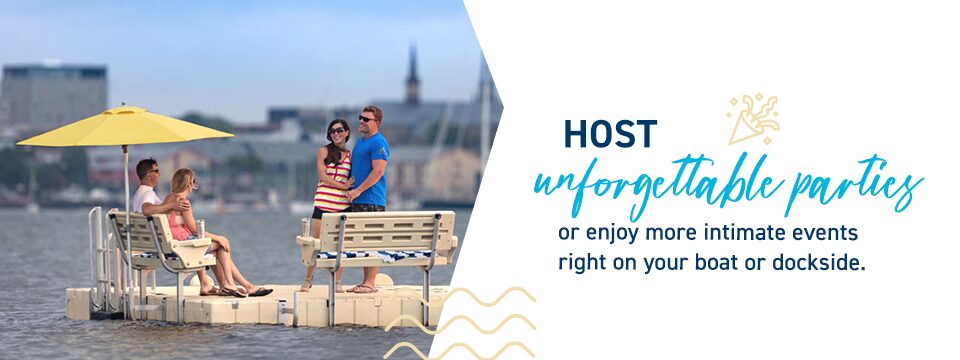
Host unforgettable parties or enjoy more intimate events right on your boat or dockside. Your boat can be a great place to enjoy music and dancing or to cozy up for a night watching the stars with friends.
You can also attend boat shows or galas with friends or family while making new connections.
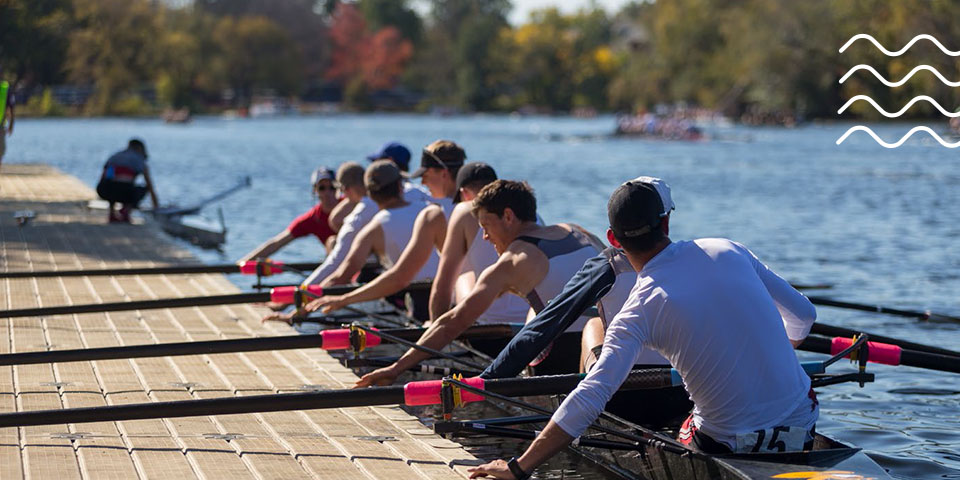
Bringing out your competitive side in boat races or watersports events can help you push yourself further, whether in terms of your fitness while rowing or sharpening your sailing skills.
5. Increased Oxytocin Levels
Oxytocin is another hormone that can support your mental health and help you connect with your loved ones. Boating can support the production of this hormone in a few ways, including being closer to water and exercise.
You can also boost oxytocin through touch while boating. Touch can happen naturally in the close quarters of a boat or while you show your children how to steer the boat or tie a knot for mooring.
6. Form New Traditions
Create a new ritual with family or friends, whether it’s a weekend celebration, a monthly get-together or an annual holiday boating trip. It puts a date in everyone’s calendar for something to look forward to and enjoy. It also carves out time in busy schedules so you keep in touch with more distant friends and relatives.
For growing families, traditions and rituals can help strengthen your children’s sense of family identity, which can be a key anchor in times of stress. Boating can give you and your little ones a regular escape to enjoy the peaceful waves and find stillness.
Maximize Your Boating Health Benefits With EZ Dock
Boating is an excellent hobby for your mental well-being and social life. Enjoying regular boat trips with family or taking on the waves on watercraft can maximize the benefits you experience. To fully embrace the boating lifestyle, you might need a convenient place to store your boat.
At EZ Dock, we developed a pioneering solution to the hassle, upkeep and vulnerability of wooden docks. Our modular floating docks and drive-on boat ports are easy to install, removable and durable in harsh weather conditions thanks to their robust rotomolded designs. You can even design your own dock, complete with ADA accessible features and a surface that can be enjoyed barefoot, with low maintenance. Explore our dock systems today to enjoy all the health and social benefits of the boating lifestyle.