Filters
Maximize Your Waterfront: 10 Unique Parks and Recreation Program Ideas

Does your community have a waterfront park you’d like to maximize with programming and recreation opportunities? Finding exciting, sustainable activities for waterfront zones can be challenging. The right fit for your area depends on your community’s unique characteristics and your vision for development.
These 10 parks and recreation program ideas can help you draw new people to the waterfront, build community and develop a strategy for continued development. Many of these ideas build off each other, allowing you to make singular investments that can expand into multiple waterfront programming activities.
10 Unique Parks and Recreation Waterfront Ideas for Cities
Parks and recreation activity ideas should be accessible to all the people in your community — whether they’re college students, young families, singles or retirees. With the right programming, you can bring people of many different ages, interests and occupations together. Here are 10 parks and recreation program ideas to help you refresh waterfront events:
1. Floating Movie Nights
During the summer and warm fall evenings, consider hosting a floating movie night. Project the movie onto a large wall or screen, and invite people to watch from boats, kayaks, docks or the shoreline. You can change the configuration to suit your specific waterfront area. Choose a movie that showcases the value of community, conservation or water-centered activities!
2. Adaptive Kayaking and Paddle Sports
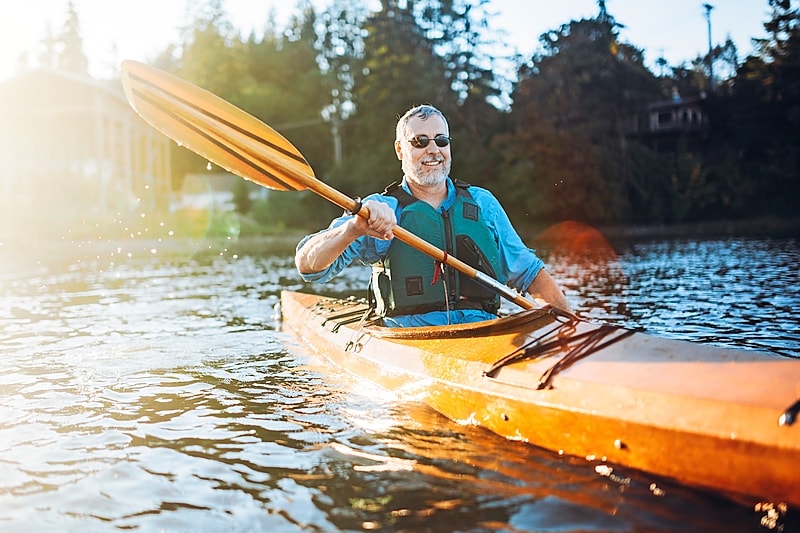
If your community loves staying active, plan an adaptive kayaking day. You can offer accessible kayaking, canoeing and paddleboarding with adaptive equipment that allows everyone to enjoy the sport. For this activity, make sure you understand all requirements for being ADA-compliant. You’ll also need to gather equipment and build a team to run the event smoothly.
3. Pop-Up Waterfront Markets
Communities come out in force anytime there’s a new pop-up market. People love exploring new booths, listening to live music and interacting with local artisans. A pop-up waterfront market can encourage new people to come out and enjoy the waterfront area, so consider it when you plan your next event. You can even put some vendors on your dock system so the market truly spreads right up to the water.
4. Environmental Education Labs
Hands-on projects are the best way for students to internalize new information. In partnership with local education organizations, you can plan an environmental lab outing on the waterfront. Have students complete tasks like testing water quality, observing wildlife and learning how industry professionals take care of the natural environment where they live. You can publish the event in the local news to build awareness of waterfront facilities.
5. Youth Fishing
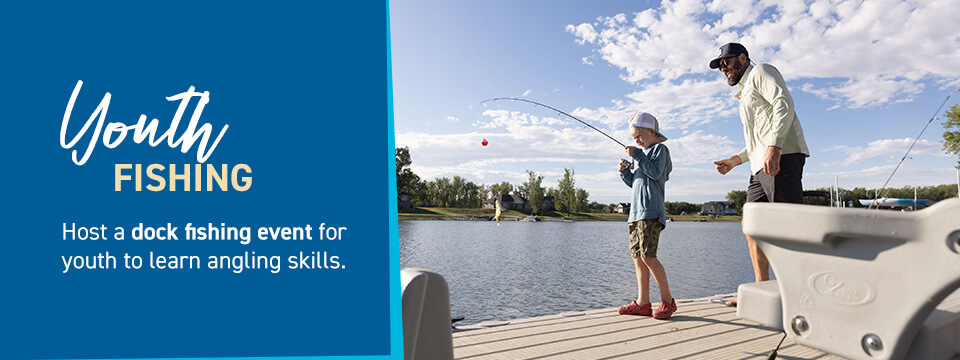
Want to get young families connected to your waterfront? Host a dock fishing event for youth to learn angling skills. You can partner with a local fishing organization or connect with community members who are passionate about this sport. Provide drinks and sunscreen, and plan a fun day of programming that gives youth plenty of time to personally use a rod and reel. Making this a recurring event is an even better way to increase involvement!
6. Floating Fitness and Wellness Classes
Themed fitness classes are a wonderful way to bring more people to the waterfront in your community. Host a yoga class on the dock for a serene, inspiring setting that makes working out more fun. Offer swimming classes or water aerobics. You can combine these with an art class or meditation session for an immersive experience that creates a unique and memorable event.
7. Art on the Water
Speaking of art, nature is the perfect inspiration for artists in your community. Hold an event to create art by the water, or plan an art installation with sculptures for people to walk through and enjoy. You can focus this event around youth in the community, local artisans or another theme to inspire future artists and attract more people to the waterfront area.
8. Community Paddle Festivals
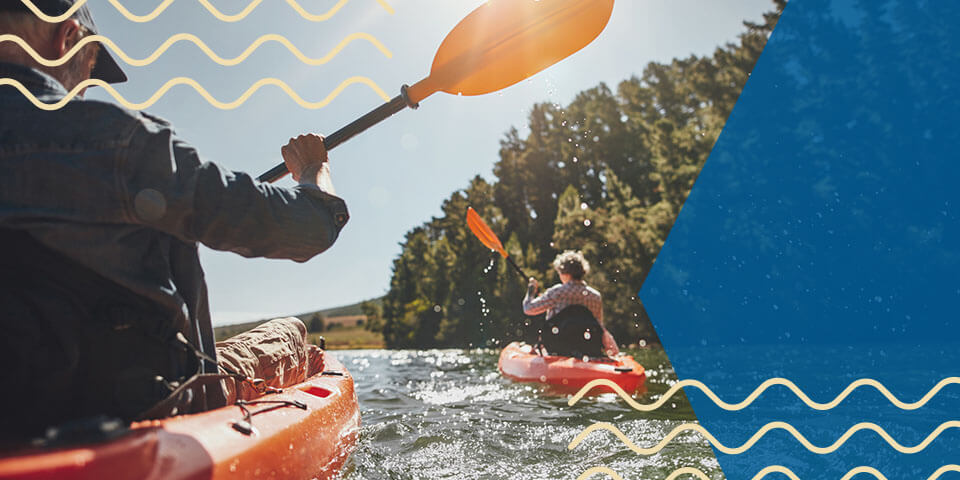
Get individuals out on the water with a community festival that’s focused on group paddles or races. You can have the community sign up in teams, offer watercraft for individuals to rent and work with a local boating organization to direct the event. Make this an annual or seasonal event to keep the number of attendees growing.
9. Seasonal Floating Gardens
Do you have master gardeners in your community? Partner with plant experts to curate a floating garden exhibit for the community. Include local plants that tell the story of the natural environment, and find creative ways to plant and water them alongside the waterfront or out on the docks. Add fairy lights and pollinator habitats for a magical experience.
10. Floating Storytime Events
Work with local libraries or bookstores to host a floating storytime event for children on your dock system. Choose a book with a water or conservation theme, plan themed snacks and have a local storyteller entertain the kids for a memorable night of family fun. Offer the book for purchase before the event so every child can read along.
How to Plan and Promote Successful Waterfront Events
Waterfront events serve many valuable purposes. They encourage community involvement and conservation, help promote local businesses, and make new connections between community stakeholders. Events also create special memories that children, families and individuals will treasure forever.
Follow these steps to build parks and recreation waterfront programs that are as unique as your community. Whether you’re designing programming for a college town, a quiet retiree area or a busy city that’s full of young professionals, you can create a space of tranquility and connection along the water.
Assess Your Waterfront’s Unique Features
To choose the best parks and recreation waterfront ideas for your area, start by assessing what unique features and value your waterfront can bring to the community. Here are a few categories to pay attention to as you consider future goals for recreational spaces and activities:
- Natural resources: What kind of natural environment are you working with? Take note of beaches, wetlands and any local wildlife. What could you preserve, and what could be better protected through infrastructure? Find out how many people already spend time in these areas and what they love about being there.
- Existing infrastructure: Consider the docks, piers, trails and other infrastructure that already exist along the waterfront. Learn what amenities are being used and what is underused. This can give you insight into additional infrastructure your community will welcome and start using right away.
- Accessibility and safety: Are there any safety hazards along the water? Consider whether there are ramps and other ADA-accessible ways to access the waterfront. How much parking is there, and how affordable is it for the general public? You can also check to see how many restrooms, water fountains and trash receptacles there are to serve the community visiting this area.
- Environmental concerns: Are there protected species along the waterfront in your area? If so, what can you do to protect them when planning events? Adding signs to promote awareness and designing activities that respect protected species can help the community care for these species. You should also investigate water quality and erosion concerns for your area.
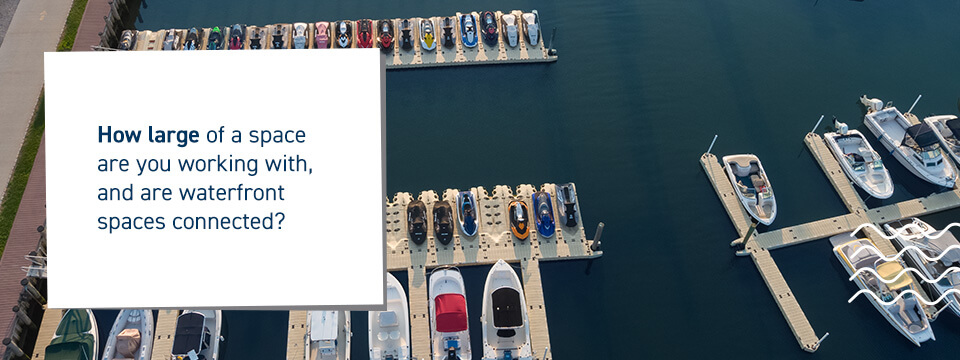
- Area size and proximity: How large of a space are you working with, and are waterfront spaces connected? If each space is isolated from the others, that will impact the activities you plan and how you connect people with the water. Building a trail that connects each space can give direction and interest to your waterfront, encouraging people to explore the whole area.
Gathering data on your unique space is the first step toward planning relevant waterfront events. There are many competing interests to consider when creating parks and recreation event ideas that benefit everyone. The more you learn about your area, the better equipped you’ll be for a positive program outcome.
Discuss Community Needs and Interests
The second essential step in planning waterfront programming is learning more about the local community. The best parks and recreation waterfront events will depend on who attends them. Learning more about the life stage, values and interests of community members can help you create an exciting program that truly serves the best interests of the people where you live.
Inclusivity and comfort are important factors to consider when polling community members. Programs should serve a wide range of people, at different ages and levels of physical ability. There are many ways to connect with community members to learn more about their needs and preferences. Here are a few steps you can take to get started:
- Send out surveys: If you already have an email list or a way to connect with the public, consider sending out a survey to identify preferences for parks and recreation waterfront programming. Gather demographic data and allow room to add comments so you can learn more.
- Look at census data: To get an overview of demographics in your area, you can also reference national census data. This should give you insight into the age ranges in your community so you can plan inclusive events that will reach a wider group of community members.
- Identify underserved populations: Your community likely has programming to support certain demographics. If you can identify an underserved population, that’s a great place to start for waterfront programming. Of course, ideally, you can reach everyone with the parks and recreation events you’re planning.
- Plan community workshops: To hear from the public directly, announce a project and hold an open workshop to gain community insight before bringing your plan to fruition. This works well for long-term investments like dock layouts and waterfront landscaping. Hearing from more voices can give you insight into what will work best for members of the community who will be using the area.
After you have a full picture of what your community looks like and the interests they have, you can draw from that data to plan multiple waterfront programs. Of course, it’s important to continue learning about the community as needs may change. Hearing feedback regularly will ensure your programming stays relevant and has a positive impact on the entire community where you live.
Set Goals and Take Action
Having an actionable plan is all you need to turn parks and recreation event ideas into reality. After you’ve gathered all the data you need on your area and your community, it’s time to sit down with your team and plan future waterfront events. Here are some ideas to help you get started:
- Set SMART goals: The acronym SMART stands for specific, measurable, achievable, relevant and time-bound. When you follow this process for setting goals, you’ll have specific details and timelines to keep you accountable with moving the event forward. This goal-setting method can be scaled up or down to fit your next goal for hosting a waterfront event.
- Check on permits: Research what permits or licenses are required for your event. In some public spaces, you may also need to hire a police presence or have a medical professional on call in case of emergencies. Look closely at local policies to ensure you follow all requirements for a safe gathering.
- Set financial goals: For waterfront programming, you may be able to find grants or fundraise to cover the cost of each event. Community stakeholders may also be willing to make donations to benefit the entire community. Having a dedicated staff member who can focus on finances can make this process much easier.
- Identify local partnerships: Network with local businesses and nonprofits to learn what support and resources your community can offer. Waterfront programming can benefit these stakeholders, as well as consumers and residents in your area. Working together allows you to outsource expertise and connect more community members to local resources.
- Invest in needed equipment: Consider what equipment you may need for successful waterfront events. Ideas include seating, lighting and dock systems. You may want to invest in a sound system for speakers and musicians. Choose equipment that requires low maintenance and will last many years for the highest ROI.

Planning out every detail beforehand ensures programming goes smoothly and the community members who attend have a good time. They should take away more than the event itself — part of the goal is to show individuals the value of community events and caring for the waterfront area where they live. You can work these values into your programming and build a series of events that are incredibly meaningful and productive for everyone in your community.
Expand Your Waterfront Community With EZ Dock
Regardless of your goal, you need durable equipment to achieve your dreams for waterfront activities. At EZ Dock, we build customizable docking solutions with accessories like benches, slides and kayak launches. Our polyethylene modular docking systems are durable and easy to maintain — they don’t rot, are barefoot-friendly and never need to be refinished.
EZ Dock components are also environmentally friendly, as they don’t leach any paint or chemicals into the water. The rubber couplers that hold modules together are made from recycled rubber tires. Because these docks are so durable, they reduce waste and encourage visitors to enjoy natural beauty and wildlife, increasing community interest in the environment.
We can help you add to an existing dock or design a completely new dock for your waterfront area. Let our experts help you turn your vision for creating a vibrant waterfront community into reality. Whatever custom design you need, we can use our modular system to accommodate many waterfront activities.
Contact us online today to learn more!