Filters
Comprehensive Guide to Floating Docks vs. Wood Docks
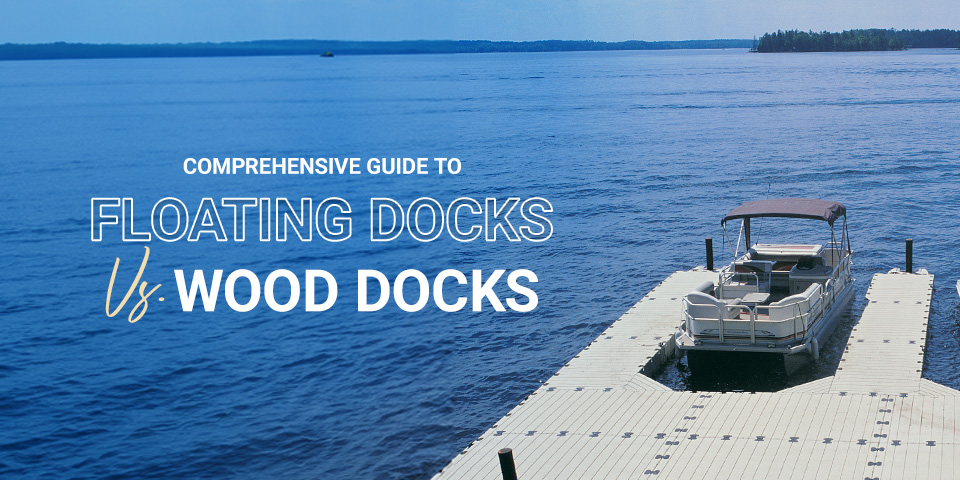
Choosing a dock means understanding how each material performs over time — durability, upkeep and how well it handles shifting water conditions. Many waterfront owners compare the familiarity of wood with the modern advantages of floating systems but remain uncertain which will serve their long-term plans better.
This guide breaks down the distinctions between floating and wood docks, focusing on real‑world performance so you can confidently select the solution that best fits your waterfront.
How Floating Docks Compare to Wood Docks
The primary difference between floating docks and wood docks lies in their interaction with water. Wood docks typically require fixed pilings driven into the lakebed or seabed. Once installed, the dock stays at the same height regardless of water conditions. Meanwhile, floating docks sit on the water’s surface and move vertically as levels rise or fall, staying at a consistent height relative to watercraft.
Floating Docks Overview
Floating docks are buoyant enough to rest on the water. They are common fixtures on lakes, rivers and marinas where water levels change seasonally or even daily.
Pros of Floating Docks
Floating docks offer the following practical advantages for waterfront properties.
- Water-level adaptability: Floating docks rise and fall with the water, providing dependable, year-round access to your watercraft.
- Low maintenance requirements: Plastic dock surfaces don’t require painting, staining or sealing, which shortens your to-do list.
- Modular design: You can add, remove or rearrange sections as your needs change, making future expansion easier.
- Durable materials: Plastic dock sections resist moisture absorption, which can prevent warping or decay over time.
- Simplified installation: Many floating dock systems require minimal equipment to assemble compared to fixed structures.
Considerations of Floating Docks
Floating docks also have a few potential drawbacks.
- Movement on the water: Some users notice gentle motion during wave activity, which may feel different from a fixed dock.
- Modern appearance: Floating docks often have a more contemporary look than traditional wood docks, though color options can help them blend into various settings.
Wood Docks Explained
Conventional wood docks are synonymous with many waterfront properties. They are typically stationary and constructed on pilings.
Pros of Wood Docks
Wood docks appeal to many owners for several reasons.
- Traditional look: Wood docks offer a classic appearance that complements rustic or historic waterfront properties well.
- Rigid feel: A fixed structure provides a firm, unmoving surface underfoot.
- Custom carpentry options: Skilled builders can create unique layouts and details tailored to a specific shoreline.
Considerations of Wood Docks
Familiarize yourself with the possible challenges of wooden dock ownership before buying one.
- Ongoing maintenance: Wood docks require regular sealing or staining to manage moisture exposure.
- Fixed height: Changing water levels can make boarding hazardous during low-water seasons.
- Environmental impact: When treating wood, always follow the EPA standards for preservatives and chemicals.
Comparing Floating and Wood Docks — Installation
Installation requirements differ significantly between these two types of docks.
Is It Easier to Install Wood or Floating Docks?
Wood docks usually require professional installation. Driving pilings, framing the structure and installing decking involve heavy equipment and skilled labor. Permitting for permanent structures can also be more complex, particularly in environmentally sensitive areas. If you want to change a wood dock after installing it, you will need additional construction and approvals.
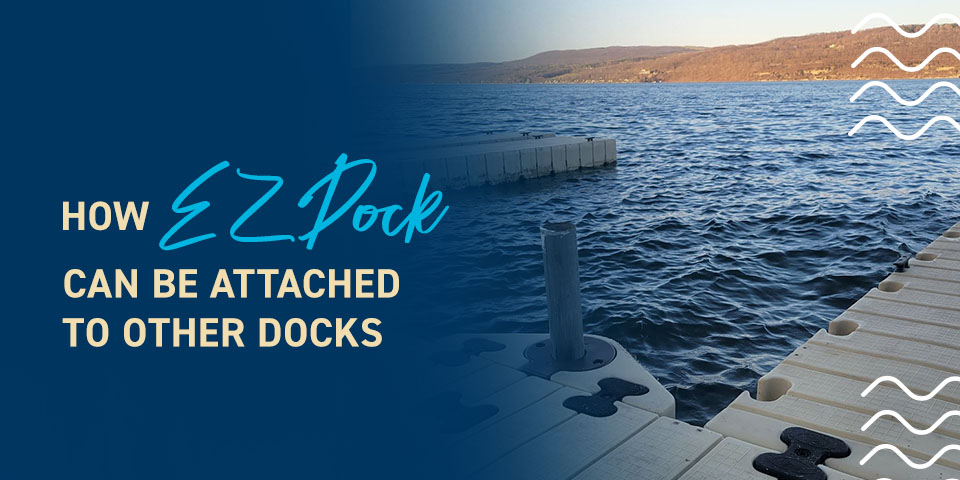
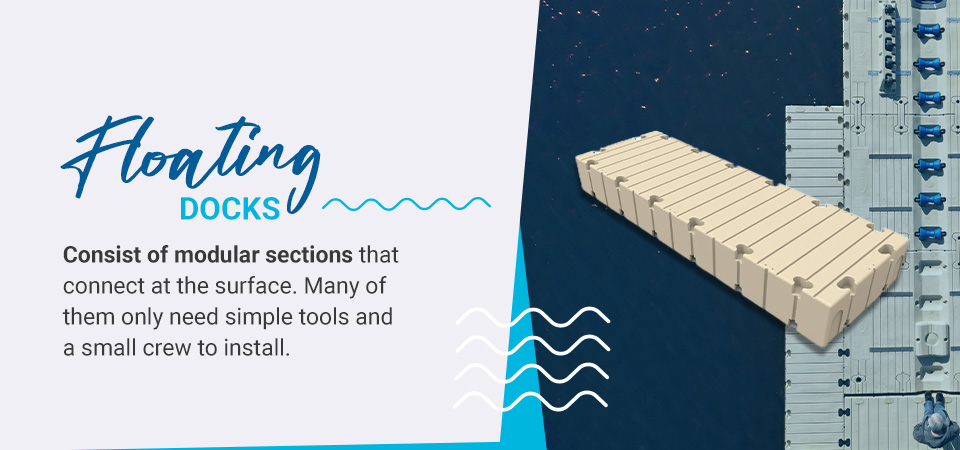
Floating docks consist of modular sections that connect at the surface. Many of them only need simple tools and a small crew to install. This approach often reduces installation time and allows for easier future adjustments. In some locations, floating docks may have fewer permitting requirements because they aren’t permanent fixtures.
Factors to Consider Before Choosing a Dock
Before deciding between a floating or a wood dock, step back and evaluate how you intend to use it. Waterfront conditions, lifestyle needs and long-term expectations all influence your final decision.
Water Conditions and Fluctuation
Understanding how your water behaves throughout the year helps narrow down which dock type will perform more consistently.
- Seasonal or tidal water changes: Properties with noticeable water-level variation can benefit from floating docks, which adapt beautifully.
- Wave and wake activity: Areas with regular boat activity or wind-driven waves may place more emphasis on rigid structures.
- Cold-weather conditions: In regions where ice forms and moves, docks that can rise with the water can experience less long-term structural strain.
Maintenance Expectations Over Time
Being realistic about the amount of time and effort you want to invest annually can prevent frustration later. Maintenance expectations vary widely between wood and floating docks.
- Ongoing upkeep: Some docks require periodic sealing, staining and board replacement to manage moisture exposure.
- Long-term effort: Maintenance tasks can increase as materials age and deteriorate, requiring ongoing attention. Dock materials that don’t absorb moisture typically reduce the need for repeated refinishing and repair.
- Time investment: Dock maintenance services may be costly or hard to find in some areas.
Budget and Long-Term Costs
Looking beyond the initial price provides a clearer picture of value. Weigh these financial factors in your calculations.
- Initial investment: The average cost of lumber can fluctuate with the seasons. Additionally, labor and permitting all factor into the initial costs.
- Recurring expenses: Maintenance supplies, repairs and labor add up over time.
- Value over time: A dock that requires fewer ongoing inputs may offer better long-term value.
Which Dock Type Is Better?
When you view all factors side by side, the difference between wood and floating docks becomes less about tradition and more about practicality. Wood docks are suitable for stable environments where water levels rarely fluctuate and owners are comfortable with ongoing maintenance.
Floating docks tend to align more naturally with the unstable or unpredictable conditions encountered in real-world waterfront settings. They adapt to changing water levels without adjustments, reduce long-term maintenance demands and allow you to change the layout as needed. Over time, these qualities often translate into fewer disruptions, lower ongoing effort and more consistent access to the water. Instead of requiring you to work around your dock, floating systems work with the environment.
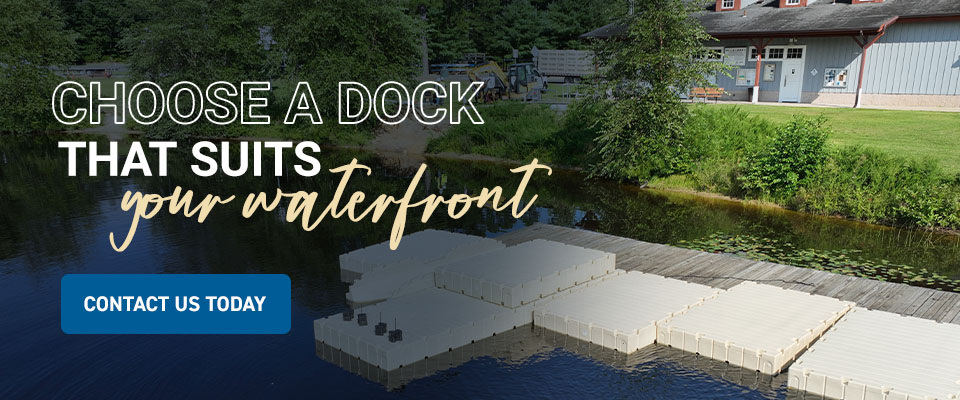
Choose a Dock That Suits Your Waterfront
Selecting a dock means balancing tradition with long-term maintenance and everyday conditions. Floating docks offer a more adaptable, lower-upkeep approach that aligns better with changing water levels and evolving needs.
EZ Dock offers a range of floating dock options designed to suit different waterfront styles and preferences, including systems that incorporate a wood aesthetic alongside the benefits of flotation. With flexible layouts and durable designs, EZ Dock helps property owners focus less on maintenance and more on enjoying consistent access to the water.
Contact us today to explore dock solutions that fit your shoreline and lifestyle.