Filtros
Cómo anclar un muelle flotante
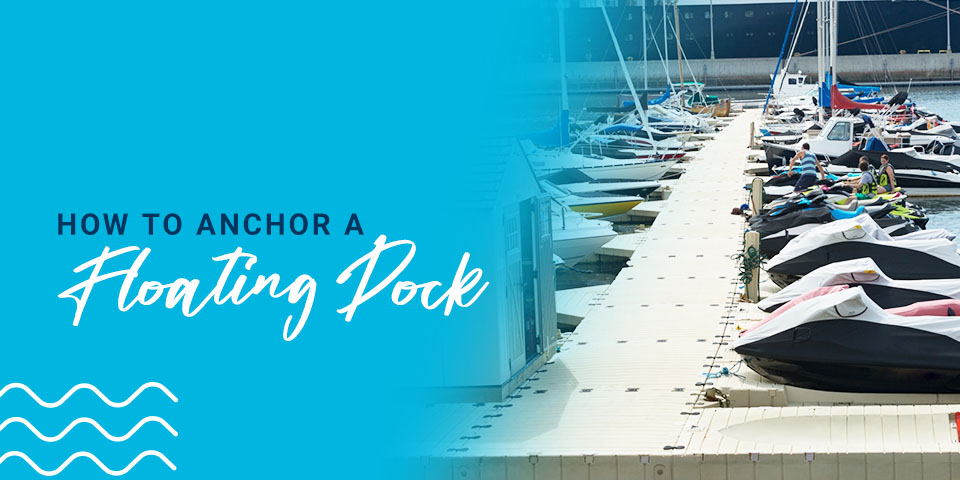
El uso de anclas en los muelles es fundamental para mantener tus embarcaciones y muelles en buen estado durante más tiempo. Conocer los tipos de anclas más comunes y cómo instalarlas en diferentes tipos de aguas te ayudará a asegurarte de que eliges el tipo de ancla adecuado y simplificará el proceso de instalación. Anclar correctamente su embarcadero lo protege del viento, las olas y los cambios en el nivel del agua. A continuación, le ofrecemos algunas preguntas frecuentes sobre el anclaje de embarcaderos para responder a sus muchas dudas sobre las mejores prácticas y consejos.
¿Qué tipos de anclas de muelle existen?
Las anclas para pantalanes facilitan la sujeción del pantalán a distintos niveles de agua. Tanto si va a instalar un muelle para barcos en una zona poco profunda como en aguas profundas de un lago, tendrá que encontrar un ancla adecuada que se adapte a sus necesidades.
1. Sistemas de anclaje de muelles por cable
El anclaje por cable es uno de los métodos más habituales y económicos. En aguas poco profundas, un ancla de cable fija el muelle a unos lastres o a la orilla, pero se utiliza con mayor frecuencia en aguas profundas donde el nivel del agua fluctúa con frecuencia. En estos casos, los sistemas de anclaje por cable emplean cables y cuerdas resistentes que se fijan directamente al lecho marino. Estos discurren a lo largo de los bordes y las esquinas de los muelles flotantes para mantenerlos en su sitio.
A la mayoría de los aficionados a la navegación les gustan las anclas de cable por su gran flexibilidad. Al poder desplazarse hacia la costa o alejarse de ella, las anclas de cable se adaptan a las condiciones meteorológicas, la estación del año o los niveles actuales del agua. Este sistema puede combinarse con otros sistemas de anclaje para fijar muelles flotantes. Las anclas de cable también son una excelente opción en las siguientes condiciones:
- Fluctuaciones del agua: Los cambios en el nivel del agua o las fluctuaciones de las condiciones meteorológicas afectan al nivel del agua.
- Vientos fuertes:Los vientos fuertes podrían afectar a las condiciones del agua o a la capacidad del ancla para mantenerse en su sitio.
- Cargas de oleaje:si el agua de la costa, el mar o el lago está sometida a fuertes cargas de oleaje, esto puede afectar a la estabilidad del muelle.
- Múltiples aplicaciones de cable: Se pueden utilizar varios cables para fijar el ancla a la orilla y mejorar la seguridad y la durabilidad.
2. Anclaje de postes y manguitos
Los anclajes de poste y manguito pueden resultar útiles en zonas ventosas donde pueden producirse olas altas. Consisten en manguitos verticales resistentes, a menudo de acero galvanizado, conectados al muelle. La instalación de estos anclajes implica introducir los postes a través de los manguitos y fijarlos al lecho marino. Muchos utilizan un sistema de cables o cabrestantes para facilitar su retirada y mantener el muelle en su sitio durante fuertes vientos u olas extremas.
El uso de un anclaje con poste y manguito resulta beneficioso en zonas expuestas a vientos y olas, pero que cuentan con un lecho marino estable y no demasiado rocoso. Gracias a su resistente conexión de manguito y a los postes de acero, este anclaje para embarcaderos ofrece mayor flexibilidad y puede adaptarse a los cambios en el nivel del agua o a las estaciones del año. El sistema de anclaje con poste y manguito mantiene el embarcadero estable, al tiempo que le permite moverse hacia arriba y hacia abajo con las fluctuaciones del agua y los cambios estacionales.
3. Anclaje de pilotes
Los anclajes de pilotes son también soportes verticales fijados al lecho del agua, pero son más grandes y más permanentes que los postes. Los pilotes suelen estar fabricados en acero, hormigón, madera o fibra de vidrio. El embarcadero se fija a los pilotes mediante soportes, rodillos o guías que evitan que se balancee, al tiempo que permiten su movimiento vertical. El anclaje mediante pilotes puede estabilizar embarcaderos que soportan a muchas personas, suministros pesados u objetos náuticos.
Los pilotes se clavan a gran profundidad en el suelo, lo que implica que no es posible reubicar el embarcadero durante las fluctuaciones estacionales del nivel del agua. Por ello, la instalación debe correr a cargo de profesionales que garanticen que los anclajes de los pilotes estén correctamente fijados antes de que llegue el invierno. No obstante, los anclajes de pilotes son un complemento excelente para los embarcaderos que necesitan una mayor estabilidad ante los cambios en el nivel del agua o en condiciones de viento.
4. Anclaje de brazo rígido
Los anclajes de brazo rígido son brazos rígidos, normalmente fabricados en aluminio o acero, que conectan un muelle flotante directamente a la orilla o a un punto fijo, como un poste o un rompeolas. Estos brazos mantienen el muelle en su sitio y evitan que se aleje flotando o se balancee.
Estos amarres utilizan un cabrestante o un sistema de cables, lo que permite acercar el embarcadero a la orilla o dejarlo flotar más lejos. Muchos sistemas cuentan con al menos dos brazos reforzados para fijar el embarcadero flotante a la orilla. A menudo, los cables se colocan en diagonal entre los brazos reforzados, mientras que la pasarela acoplada actúa como un pilar del sistema.
Los brazos proporcionan estabilidad y evitan que el embarcadero se balancee, lo que lo hace ideal para cualquier actividad acuática recreativa y para espacios de ocio junto al agua. Además, permiten a los navegantes transportar cargas pesadas entre la orilla y el embarcadero o soportar el peso de muchas personas.
Muchos navegantes valoran lo asequible que puede resultar un sistema de fondeo de brazo rígido. Son ideales para muelles flotantes cercanos a la costa y zonas en las que no se producen fluctuaciones en el nivel del agua ni hay oleaje significativo.
Cómo elegir un sistema de anclaje para embarcaderos
La elección de un sistema de anclaje para un muelle flotante depende de diversos factores relacionados con el entorno. A continuación se indican los aspectos más importantes que hay que tener en cuenta a la hora de comprar anclajes para muelles:
- Profundidad del agua:cuanto más profunda sea el agua, más pesada deberá ser la ancla.
- Rango de peso:Asegúrate de que el ancla sea lo suficientemente pesada como para soportar el peso del muelle.
- Fuerza de sujeción del ancla:El material del que está hecha la ancla determina su fuerza de sujeción.
- Distancia entre el embarcadero y la orilla:cuanto más lejos esté el embarcadero de la orilla, más probable es que tengas que anclar al lecho del agua. Es menos probable que un ancla de brazo rígido sea suficiente cuando el embarcadero está lejos de la orilla.
- Variaciones en el nivel del agua:un lago tranquilo y poco profundo puede que solo requiera un sistema de anclaje sencillo y relativamente ligero, mientras que las aguas sometidas a las mareas o un río con fuertes corrientes pueden necesitar una solución más resistente para soportar mayores cambios ambientales.
- Tipo de fondo y condiciones del lecho:es posible que los fondos blandos no sujeten bien los postes o pilotes, por lo que las anclas de cable o de brazo rígido pueden ser una mejor opción.
- Tipo y tamaño de las embarcaciones:el amarre de muchas embarcaciones, o incluso de una sola embarcación de gran tamaño, ejerce una mayor presión sobre el muelle, lo que requiere un ancla más pesada.
- Intensidad del oleaje y del viento:Cuando el oleaje o el viento son fuertes, suele ser necesario utilizar un anclaje más resistente, como el de poste y manguito. En zonas más protegidas, puede bastar con un sistema de anclaje de brazo rígido.
- Tamaño del embarcadero:los embarcaderos más grandes y pesados requieren sistemas de anclaje más grandes y pesados para garantizar la estabilidad. En el caso de los embarcaderos más pequeños, pueden bastar sistemas más ligeros, como los anclajes de cable.
- Legislación y normativa local:Asegúrate de conocer la normativa local y los requisitos para la obtención de permisos. No querrás instalar un sistema para luego tener que desmontarlo porque incumple la normativa.
Afortunadamente, no tiene por qué comprar un solo tipo de ancla: puede adquirir varios tipos, que le proporcionarán la flexibilidad necesaria para adaptarse a distintas situaciones. Puedes utilizar dos tipos de anclas en situaciones distintas o utilizar ambas en extremos opuestos para aumentar la seguridad de la embarcación con una potencia de sujeción adicional.
Cómo amarrar muelles flotantes
Anclaje de un muelle flotante es necesario para evitar que se aleje flotando y dañe su embarcación. Es más fácil que instalar muelles fijos, pero requiere seguir unos pasos específicos durante el proceso de instalación. Aquí tiene una guía paso a paso para anclar su muelle flotante.
1. Reúne lo imprescindible para el anclaje
Reunir los materiales necesarios antes de comenzar la instalación garantiza que el proceso sea más rápido y sencillo. Los materiales principales que debes tener a mano son:
- Presentador:Muchos sistemas de anclaje para embarcaderos incluyen anclajes de hormigón, que aportan el peso necesario para mantener el embarcadero en su sitio. El anclaje ayuda a estabilizar el embarcadero flotante y a garantizar su seguridad en condiciones meteorológicas extremas o en días de mucho viento. Dependiendo de la forma o del peso del embarcadero, algunos pueden requerir un tipo específico de anclaje.
- Cadenas:Una cadena galvanizada une los anclajes al embarcadero y sostiene todo el sistema. El recubrimiento galvanizado protege el metal del óxido y la corrosión, por lo que dura más tiempo bajo el agua.
- Cáncamos: Los cáncamos son sujetadores que se fijan a la cabeza del eslabón de la cadena rápida y forman un anillo. Los cáncamos ayudan a sostener la estructura principal.
- Eslabón rápido de la cadena:también conocido como eslabón maestro, sirve para unir la cadena con la barra de refuerzo o con los cáncamos. Permite ajustar la tensión o la longitud de la cadena con mayor facilidad que si se conectaran las cadenas directamente a los cáncamos.
2. Ten en cuenta el peso del ancla
Asegúrate de no añadir más peso del necesario, pero sí el suficiente para fijar el embarcadero flotante. Las anclas permanecerán en el agua una vez instaladas, así que ten muy en cuenta su peso y su ubicación antes de comenzar el proceso. Es posible que tu embarcadero flotante también requiera una cierta cantidad de peso en las esquinas o un sistema de anclaje cada pocos metros.
El peso del ancla debe ser suficiente para evitar que el muelle se mueva demasiado, sobre todo en aguas con mareas y en zonas con vientos fuertes.
3. Determinar la mejor disposición de los anclajes
La disposición del sistema de anclaje puede afectar a la estabilidad del dique flotante. Hay tres factores a tener en cuenta a la hora de perfeccionar esta disposición:
- Disposición en cruz:Hay quien opta por colocar los anclajes y las cadenas a ambos lados de la plataforma, cruzando las cadenas por cada barra de refuerzo o fijándolas al perno de ojo de la esquina opuesta. Las esquinas del sistema de anclaje se cruzarán entre sí, lo que puede contribuir a aumentar la durabilidad del sistema. Esta disposición permite distribuir las fuerzas de manera más uniforme y puede aumentar la estabilidad del muelle.
- Longitud de la cadena: Algunos navegantes dejan unos centímetros de material extra para que haya holgura durante el proceso de anclaje. Una longitud de cadena más corta puede causar tensión y estrés en la cadena, lo que resulta en un muelle flotante que se sienta un poco demasiado bajo en el agua. Incluso puede que prefieras ajustar la longitud de la cadena a medida que cambie el nivel del agua en tu zona.
- Cables tensores para cadenas:Los cables tensores pueden ser la mejor opción para zonas con niveles de agua variables. Un cable tensor para cadenas de fondeo proporciona cierta holgura a la cadena y ejerce una ligera tensión para mejorar la estabilidad. Los cables tensores reducen la tensión sobre el sistema de fondeo y el embarcadero, ya que se expanden o contraen al variar los niveles de agua.
En la mayoría de los muelles, se colocan anclajes en cada esquina, pero es mejor consultar las recomendaciones del fabricante. Colócalos de manera uniforme a lo largo del muelle y del lecho del agua para distribuir la carga.
4. Instala los anclajes
Para evitar dañar el muelle flotante, coloca las anclas sobre una tabla de madera. Coloca varias anclas que vayas a utilizar juntas y pasa una cadena por las barras de refuerzo o los pernos de ojo. Asegúrate de no cortar la cadena ni de ejercer demasiada tensión con una cadena demasiado corta.
Fija el otro extremo de la cadena al embarcadero con un eslabón rápido. Levanta la losa de madera para deslizar las anclas al agua. Las anclas deben caer al agua suavemente para evitar ejercer demasiada tensión sobre las cadenas o el sistema del embarcadero.
¿Cómo anclar un muelle flotante a la costa?
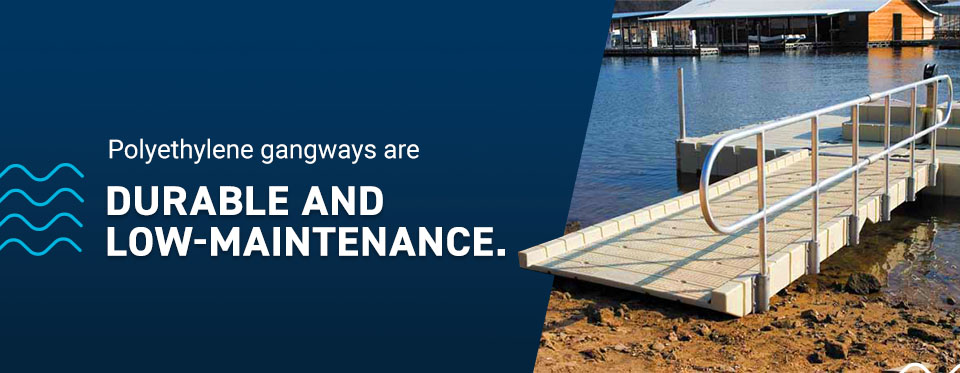
Si desea unir el dique flotante a una costa, es posible que desee invertir en una pasarela. La pasarela puede ayudar a conectar el dique flotante y la costa a través de una plataforma extendida que ayuda a salvar la distancia entre la tierra y el puerto. Algunas pasarelas vienen incluso con barandillas para mejorar la seguridad del muelle.
Hay muchas situaciones en las que una pasarela puede ser apropiada. Algunas condiciones incluyen:
- Aguas poco profundas: Las aguas poco profundas cerca de la orilla pueden requerir que coloques el muelle más alejado de la tierra.
- Accesibilidad del muelle: Usted y otros usuarios del agua pueden necesitar un muelle más accesible desde determinados puntos de tierra.
- Transiciones entre muelles: Una pasarela hace de transición entre el muelle y la orilla, facilitando y haciendo más cómodo el acceso de los huéspedes a las embarcaciones.
Considera diferentes materiales para las pasarelas. Pasaderas de aluminio de calidad marina pasillos de aluminio de calidad marina ofrecen resistencia a la corrosión y son resistentes, duraderas y ligeras, lo que facilita su mantenimiento. Las pasarelas de polietileno son duraderas y requieren poco mantenimiento. Resisten mejor la corrosión y los daños que las pasarelas de madera, que se pudren y astillan rápidamente. Las pasarelas de madera requieren un mantenimiento y reparaciones constantes, lo que significa que solo son adecuadas para propiedades más pequeñas y de uso menos frecuente.
¿Qué precauciones debo tomar al amarrar muelles flotantes?
Garantice la seguridad de los diques flotantes tomando las siguientes precauciones:
- Instala siempre los anclajes aguas abajo o en una posición que no obstaculice la navegación. De este modo, te aseguras de que el embarcadero no se desplace debido a las fluctuaciones del nivel del agua.
- Siga las directrices de seguridad al manejar y utilizar los cabrestantes del muelle.
- Instale una iluminación adecuada en su dique flotante para evitar accidentes y disuadir a los intrusos.
- Utiliza topes y bordes para muelles para proteger su embarcación y su muelle de daños evitables causados por el oleaje y las corrientes.
¿Qué mantenimiento requieren los anclajes de muelle?
Realiceun mantenimientoperiódico, reparaciones y sustitucionescuando sea necesario para evitar que la estabilidad y la seguridad de su embarcadero flotante se vean comprometidas. Inspeccione minuciosamente todos los componentes del anclaje al principio y al final de cada temporada, tanto si deja el embarcadero en el agua durante el invierno como si no.
Realice ajustes estacionales para modificar el sistema de anclaje del embarcadero y garantizar que permanezca seguro ante los cambios en los niveles del agua y las condiciones meteorológicas. Por ejemplo, si el agua se hiela en su zona, deberá retirar o ajustar los anclajes y el embarcadero flotante para evitar daños causados por el hielo. También es recomendable ajustar o reforzar los anclajes cuando se prevean tormentas, huracanes u otras condiciones meteorológicas adversas.
¿Cuánto valor añade un muelle a una casa?
Un embarcadero bien mantenido y construido con materiales fiables puede añadir un valor significativo a tu vivienda o propiedad. Una de las principales ventajas de un embarcadero es que aumentará el valor de tu vivienda en varios miles de dólares. Tu vivienda puede ser muy codiciada en el mercado y venderse mucho más rápido cuando llegue el momento de encontrar un nuevo propietario. Añadir un embarcadero flotante a tu propiedad frente al mar aumenta el valor de la propiedad al proporcionar un lugar cómodo y seguro para que sus posibles compradores guarden sus embarcaciones.
Un muelle flotante también añade interés visual a su propiedad frente al mar y proporciona un lugar natural para entretener a familiares y amigos. Sin embargo, para mantener el valor de su muelle, debe inspeccionar periódicamente el muelle y la embarcación en busca de signos de daños y desgaste.
¿Por qué elegir EZ Dock para muelles flotantes para barcos?
En EZ Dock, nos enorgullecemos de la calidad de nuestros muelles flotantes que no encontrará en ningún otro sitio. Desde 1991, hemos desarrollado sistemas de muelles atractivos, respetuosos con el medio ambiente y prácticos. En lugar de opciones estandarizadas que provocan astillas, pintura descascarillada y madera podrida, nuestros productos y diseños patentados son inversiones a largo plazo.
Creamos soluciones versátiles y personalizables para nuestros clientes, tanto si necesitan un muelle flotante ligero pero duradero que pueda soportar las tormentas tropicales más duras como un puerto deportivo para varias embarcaciones. Desde kayakistas hasta propietarios de motos acuáticas, atendemos a una amplia gama de clientes residenciales, gubernamentales y comerciales. Somos líderes del sector y su mejor recurso para encontrar diques flotantes adaptados a sus necesidades.
Encuentre el muelle flotante adecuado con EZ Dock
EZ Dock proporciona a los entusiastas de los barcos secciones de muelle seguras de polietileno. Si desea un material para muelles fiable y antideslizante, le ofrecemos soluciones de bajo mantenimiento para cualquier masa de agua.
Tanto si necesita un muelle para aguas poco profundas, profundas o lacustres, EZ Dock le ofrece un sistema de atraque que se adapta a los cambios del nivel del agua y conserva su resistencia a lo largo de los años. Póngase en contacto con nosotros hoy mismo para hablar con un representante, o llámenos al 833-352-1364.