Filtre
Slik forankrer du en flytebrygge
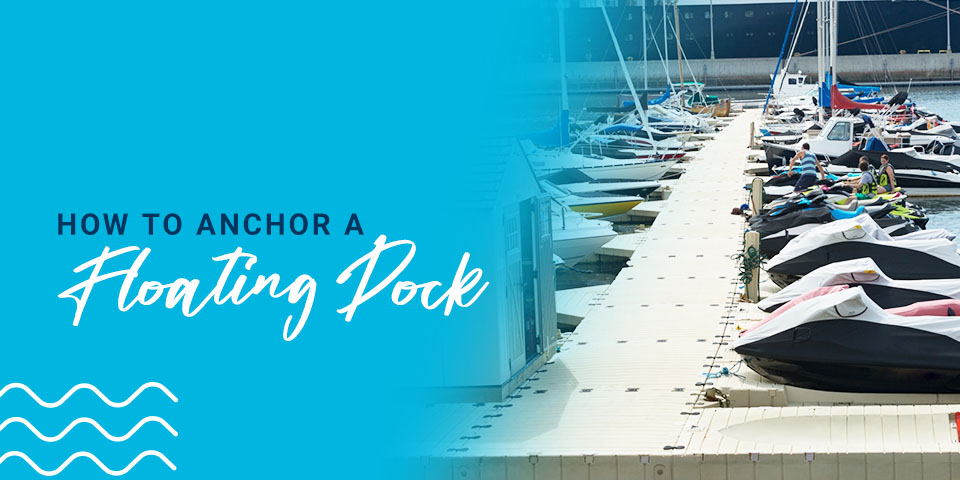
Forankring av brygger er viktig for å holde vannfartøy og brygger i god stand lenger. Å utforske de vanligste ankertypene og hvordan du installerer dem i forskjellige farvann vil bidra til å sikre at du får riktig type anker og forenkle installasjonsprosessen. Riktig forankring av bryggen beskytter den mot vind, bølger og skiftende vannstand. Her er noen vanlige spørsmål om forankring av brygger for å svare på mange spørsmål om beste praksis og tips.
Hvilke typer båtankre finnes det?
Båtankre gjør det lettere å feste båtbryggen til forskjellige vannnivåer. Enten du planlegger å legge til en båthavn til et grunt område eller dypt innsjøvann, vil du finne et passende anker som passer dine behov.
1. Kabeldok forankringssystemer
Kabelforankring er en av de vanligste og rimeligste metodene. I grunt vann fester et kabelanker bryggen til vekter eller land, men det brukes oftest i dypvannsapplikasjoner med hyppige vannstandssvingninger. I disse applikasjonene bruker kabelforankringssystemer sterke kabler og tau festet direkte til havbunnen. De går langs kantene og hjørnene på flytebrygger for å holde dem på plass.
De fleste båtentusiaster setter pris på kabelankere for deres fleksible mobilitet. Ved å bevege seg bort fra eller mot strandlinjen kan kabelankere tilpasse seg været, årstiden eller gjeldende vannstand. Dette systemet kan kombineres med andre forankringssystemer for å sikre flytebrygger. Kabelankere er også et utmerket valg under følgende forhold:
- Vannsvingninger: Endring av vannstand eller svingende værforhold påvirker vannstanden.
- Sterk vind: Sterk vind kan påvirke vannforholdene eller ankerets evne til å holde seg på plass.
- Bølgelaster: Hvis vannet ved strandlinjen, havet eller innsjøen opplever store bølgelaster, kan det påvirke bryggens stabilitet.
- Flere kabelapplikasjoner: Flere kabler kan brukes til å feste ankeret til kysten og forbedre sikkerheten og holdbarheten.
2. Stang og hylse forankring
Stang- og hylseankere kan være til hjelp i vindfulle områder som kan oppleve høye bølger. Disse består av slitesterke vertikale hylser, ofte laget av galvanisert stål, koblet til bryggen. Installasjon av stang- og hylseankere innebærer å føre stengene gjennom hylsene og feste dem til vannsengen. Mange bruker et kabel- eller vinsjsystem for å gjøre fjerningen enklere og holde bryggen på plass under sterk vind eller ekstreme bølger.
Det er gunstig å bruke et stang- og hylseanker i områder som kan få vind og bølger, men som har en stabil vannbunn som ikke er for steinete. Med en slitesterk hylseforbindelse og stålstenger øker båtbryggeankeret fleksibiliteten og kan bevege seg med skiftende vannstand eller værforhold. Stang- og hylseforankringssystemet holder bryggen stabil samtidig som den lar den bevege seg opp og ned med vannsvingninger og skiftende årstider.
3. Peleforankring
Pæleankere er også vertikale støtter festet til vannsengen, men de er større og mer permanente enn stolper. Pæler er ofte laget av stål, betong, tre eller glassfiber. Bryggen festes til pælene ved hjelp av braketter, ruller eller pælesklier som hindrer bryggen i å svaie samtidig som den lar den bevege seg opp og ned. Pæleforankring kan stabilisere båtbrygger som frakter mange mennesker, tunge forsyninger eller båtgjenstander.
Pælene drives dypt ned i overflaten, noe som betyr at du ikke kan flytte bryggen din under sesongmessige vannstandsvariasjoner. Dette betyr at installasjonen må utføres av fagfolk som sørger for at pæleankrene er riktig montert før vinteren kommer. Pæleankre er imidlertid et utmerket tillegg for brygger som trenger økt stabilitet under skiftende vannstand eller vindfullt vær.
4. Forankring av stiv arm
Stive armforankringer er stive armer, vanligvis laget av aluminium eller stål, som kobler en flytebrygge direkte til kysten eller til et fast punkt, for eksempel en stolpe eller en sjømur. Armene holder bryggen på plass og hindrer den i å flyte bort eller svaie.
Disse ankrene bruker en vinsj eller et kabelsystem, som lar deg bringe bryggen nærmere kysten eller la den flyte lenger ut. Mange systemer har minst to forsterkede armer for å feste flytebryggen til strandlinjen. Ofte plasseres kablene diagonalt mellom de forsterkede armene, mens den festede landgangen fungerer som et ben til systemet.
Armene gir stabilitet og hindrer bryggen i å svaie, noe som gjør den ideell for alle typer rekreasjonsaktiviteter på vannkanten og underholdningsområder ved vannkanten. De lar også båtfolk transportere tung last mellom land og brygge eller holde mange personer.
Mange båtfolk setter pris på hvor rimelig et stivarmsankersystem kan være. De er best egnet for flytebrygger nær kysten og områder som ikke opplever vannstandssvingninger eller har betydelige bølger.
Hvordan velge et ankersystem for båtbrygge
Valg av et flytebryggeankersystem avhenger av ulike faktorer i miljøet ditt. Her er de viktigste hensynene når du kjøper bryggeankere:
- Vanndybde: Jo dypere vannet er, desto tyngre anker trenger du.
- Vektområde: Sørg for at ankeret ditt er tungt nok til å bære vekten av kaien.
- Ankerets holdekraft: Ankerets materiale bestemmer holdekraften.
- Avstand mellom brygga og land: Jo lenger unna brygga er, desto mer sannsynlig er det at du må ankre til vannsengen. Et stivt ankerarm er mindre sannsynlig å være tilstrekkelig når brygga er langt fra land.
- Vannstandssvingninger: En rolig, grunn innsjø trenger kanskje bare et enkelt, relativt lett forankringssystem, mens tidevann eller en elv med sterk strøm kan trenge en mer robust løsning for å tåle flere miljøendringer.
- Vannbunnstype og bunnforhold: Myke bunner holder kanskje ikke stolper eller pæler sikkert, noe som gjør kabel- eller stive armankere til et bedre alternativ.
- Type og størrelse på vannfartøy: Fortøyning av mange båter eller til og med ett enkelt stort fartøy legger mer kraft på bryggen, noe som krever et tyngre anker.
- Bølge- og vindstyrke: Høy bølge- eller vindaktivitet krever vanligvis et sterkere anker, for eksempel stang- og hylseforankring. I områder som er mer skjermet, kan et stivt armforankringssystem være nok.
- Dokkstørrelse: Større og tyngre dokker krever større og tyngre ankersystemer for å sikre stabilitet. For mindre dokker kan lettere systemer som kabelankere være tilstrekkelig.
- Lokale lover og forskrifter: Sørg for at du forstår lokale forskrifter og tillatelseskrav. Du ønsker ikke å installere et system bare for å måtte fjerne det fordi det ikke er i samsvar.
Heldigvis trenger du ikke å kjøpe én type anker - du kan få flere typer, som vil gi deg fleksibiliteten til å tilpasse deg forskjellige situasjoner. Du kan bruke to typer ankre i forskjellige situasjoner eller bruke begge i motsatte ender for å forbedre båtsikkerheten med ekstra holdekraft.
Slik ankrer du flytebrygger
Det er nødvendig å forankre en flytebrygge for å forhindre at den flyter vekk og skader vannscooteren din. Det er enklere enn å feste permanente brygger, men krever spesifikke trinn under installasjonsprosessen. Her er en trinnvis veiledning for forankring av flytebryggen til båten din.
1. Samle det viktigste for forankring
Å samle det nødvendige utstyret før du starter installasjonen sikrer en raskere og enklere prosess. De viktigste utstyret du bør ha for hånden inkluderer:
- Anker: Mange forankringssystemer for kai inkluderer betongankere, som gir den nødvendige vekten for å holde kaien på plass. Ankeret bidrar til å stabilisere flytebryggen og holde den trygg under ekstremvær eller vindfulle dager. Avhengig av formen eller kaiens vekt, kan noen kaier kreve en bestemt type anker.
- Kjettinger: En galvanisert kjetting forbinder ankrene til båtbrygga og støtter hele systemet. Galvaniseringsbelegget beskytter metallet mot rust og korrosjon, slik at det varer lenger under vann.
- Øyebolter: Øyebolter er festemidler som festes til hodet på hurtigkjedelenken og danner en ring. Boltene hjelper til med å støtte hovedstrukturen.
- Kjedehurtiglenke: Også kalt en hovedlenke, denne forbinder kjedet og armeringsjernet eller kjedet og øyeboltene. Den lar deg justere spenningen eller kjedelengden enklere enn om du koblet kjedene direkte til øyeboltene.
2. Vurder ankervekten
Sørg for at du ikke legger til mer vekt enn nødvendig, men at du har nok til å sikre flytebryggen. Ankrene vil forbli i vannet etter at du har installert dem, så vurder vekten og plasseringen nøye før du starter prosessen. Flytebryggen din kan også kreve en viss mengde vekt i hjørnene eller et forankringssystem med noen få meters mellomrom.
Ankerets vekt må være nok til å hindre at kaia beveger seg for mye, spesielt i tidevann og områder med sterk vind.
3. Bestem det beste ankeroppsettet
Ankersystemets layout kan påvirke flytedokkens stabilitet. Det er tre faktorer å vurdere når du perfeksjonerer denne layouten:
- Krysslayout: Noen velger å plassere ankere og kjettinger på begge sider av plattformen, krysse kjettingene gjennom hvert armeringsjern eller feste dem til øyebolten i det motsatte hjørnet. Hjørnene på ankersystemet vil krysse hverandre og kan bidra til å gjøre systemet mer holdbart. Denne layouten kan fordele kreftene jevnere og øke kaiens stabilitet.
- Kjettinglengde: Noen båtfolk legger igjen noen centimeter ekstra materiale for å tillate slakk under forankringsprosessen. En kortere kjettinglengde kan forårsake spenning og stress på kjedet, noe som resulterer i en flytebrygge som ligger litt for lavt i vannet. Du kan til og med foretrekke å justere kjedelengden ettersom vannstanden i ditt område endres.
- Kjettingstrammer: Spenningssnorer passer kanskje best i områder med varierende vannstand. En ankerkjettingstrammer gir litt slakk til kjettingen og inkluderer litt spenning for å forbedre stabiliteten. Spenningssnorene reduserer belastningen på forankringssystemet og båtbryggen ved å utvide seg eller trekke seg sammen med endrede vannstander.
For de fleste brygger fester du ankere i hvert hjørne av bryggen, men det er best å sjekke produsentens anbefalinger. Fordel dem jevnt langs bryggen og langs vannsengen for å fordele lasten.
4. Installer ankerene
For å unngå å skade flytebryggen, plasser ankrene på en treplate. Plasser noen ankre du skal bruke sammen og kjør en kjetting gjennom armeringsjernet eller øyeboltene. Sørg for at du ikke kutter kjettingen eller forårsaker for mye spenning med en kort kjetting.
Fest den andre enden av kjettingen til bryggen med en hurtiglenke. Løft treplaten for å skyve ankrene ned i vannet. Ankrene skal falle forsiktig ned i vannet for å unngå for mye belastning på kjettingene eller bryggesystemet.
Hvordan forankrer jeg en flytebrygge til kysten?
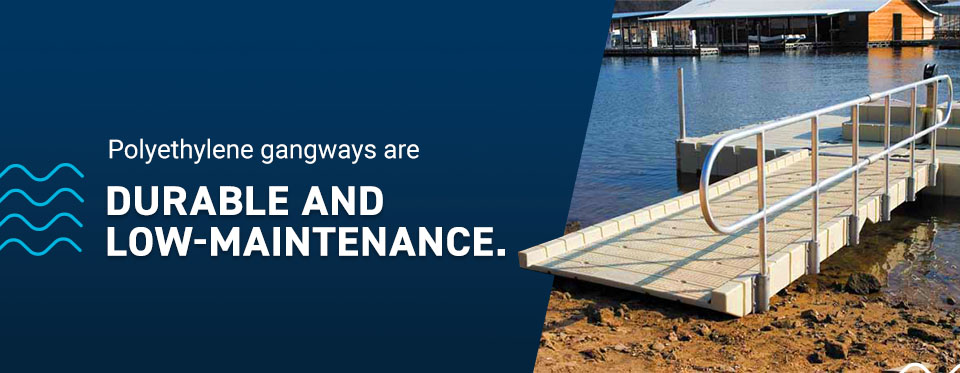
Hvis du ønsker å feste flytebrygga til en strandlinje, kan det være lurt å investere i en landgang. Landgangen kan hjelpe til med å koble flytebrygga og land gjennom en utvidet plattform som hjelper til med å spenne over avstanden mellom land og havnen. Noen landganger kommer til og med med rekkverk for å forbedre kaiens sikkerhet.
Det er mange situasjoner hvor en landgang kan være hensiktsmessig. Noen forhold inkluderer:
- Grunt vann: Grunt vann nær kysten kan kreve at du plasserer kaien lenger unna land.
- Tilgjengelighet til kai: Du og andre vannbrukere kan kreve en mer tilgjengelig kai fra bestemte punkter på land.
- Dockoverganger: En landgang går mellom kaien og strandlinjen, noe som gjør det enkelt og komfortabelt for gjestene å få tilgang til båtene.
Vurder forskjellige materialer for gangbroer. Gangbroer i maritim aluminium er motstandsdyktige mot korrosjon og er sterke, slitesterke og lette, noe som gjør dem enklere å vedlikeholde. Gangbroer i polyetylen er slitesterke og krever lite vedlikehold. De kan motstå korrosjon og skader bedre enn gangbroer i tre som råtner og splintres raskt. Gangbroer i tre krever konstant vedlikehold og reparasjoner, noe som betyr at de bare fungerer for mindre og sjeldnere brukte eiendommer.
Hvilke forholdsregler bør jeg ta når jeg ankrer flytebrygger?
Sørg for sikkerheten og sikkerheten til flytebrygger ved å ta følgende forholdsregler:
- Installer alltid ankere nedstrøms eller på en måte som ikke hindrer vanntrafikk. Dette sikrer at bryggen ikke flytter seg ut av plass på grunn av svingende vannstand.
- Følg sikkerhetsretningslinjene ved håndtering og betjening av dokkevinsjer.
- Installer riktig belysning på din flytebrygge for å forhindre ulykker og avskrekke inntrengere.
- Bruk støtfangere og kantløsninger for å beskytte båten og bryggen mot forebyggbare skader forårsaket av bølger og strømninger.
Hvilket vedlikehold kreves for dokkankre?
Utfør regelmessig vedlikehold, reparasjoner og utskiftinger når det er nødvendig for å forhindre at flytebryggens stabilitet og sikkerhet blir kompromittert. Kontroller grundig alle ankerkomponenter i begynnelsen og slutten av hver sesong, enten du lar bryggen ligge i vannet over vinteren eller ikke.
Gjør sesongmessige justeringer for å modifisere bryggens forankringssystem for å sikre at det forblir sikkert med skiftende vannstand og værforhold. Hvis vannet for eksempel fryser i ditt område, bør du fjerne eller justere ankrene og flytebryggen for å forhindre isskader. Du kan også justere eller forsterke ankrene når det er forventet stormer, orkaner eller annet alvorlig vær.
Hvor mye verdi tilfører en båthavn til et hjem?
En godt vedlikeholdt båtbrygge laget av pålitelige materialer kan øke verdien på hjemmet eller eiendommen din betydelig. En av hovedfordelene med en båtbrygge er at den vil øke boligens verdi med flere tusen dollar. Boligen din kan bli svært ettertraktet på markedet og selges mye raskere når det er på tide å finne en ny eier. Å legge til en flytebrygge ved vannkanten øker eiendomsverdien ved å gi et praktisk og sikkert sted for potensielle kjøpere å oppbevare vannfartøyene sine.
En flytebrygge gir også visuell interesse til eiendommen ved vannkanten og gir et naturlig sted å underholde familie og venner. Men for å opprettholde verdien av båthavnen din, må du regelmessig inspisere kaien og båten for tegn på skade og slitasje.
Hvorfor velge EZ Dock for flytende båtbrygger?
Hos EZ Dock er vi stolte av flytebryggekvaliteten du ikke finner noe annet sted. Siden 1991 har vi utviklet attraktive, miljøvennlige og praktiske bryggesystemer. I stedet for standardløsninger som resulterer i splinter, avskallende maling og råttent treverk, er våre patenterte produkter og design langsiktige investeringer.
Vi lager allsidige, tilpassbare løsninger for våre kunder, enten du trenger en lett, men slitesterk flytebrygge som tåler de tøffeste tropiske stormene eller en marina med flere båter. Fra kajakkpadlere til PWC-eiere, vi henvender oss til en rekke bolig-, offentlige og kommersielle kunder. Vi er en bransjeleder og din beste ressurs for flytebrygger skreddersydd til dine behov.
Finn den rette flytende båthavnen med EZ Dock
EZ Dock gir båtentusiaster sikre dokkeseksjoner laget av polyetylen. Hvis du vil ha pålitelig og sklisikre dokkingmateriale, tilbyr vi løsninger med lite vedlikehold for alle vannmasser.
Enten du trenger en dock for grunt, dypt eller innsjøvann, gir EZ Dock deg et dockingsystem som tilpasser seg skiftende vannstand og beholder sin styrke gjennom årene. Kontakt oss i dag for å snakke med en representant, eller ring oss på 833-352-1364.