EZ BoatPort
SKU# BP2000
Category: Boat Ports
Range from 6'6" W x 13'8" L to 9'9" W x 18'6" L
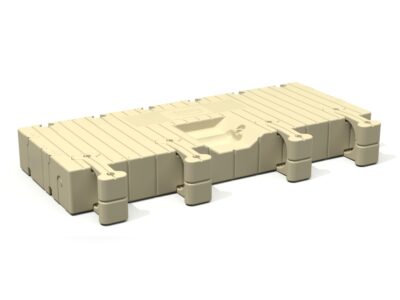
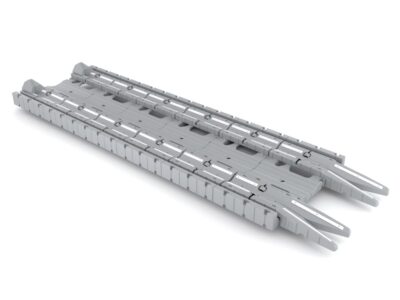
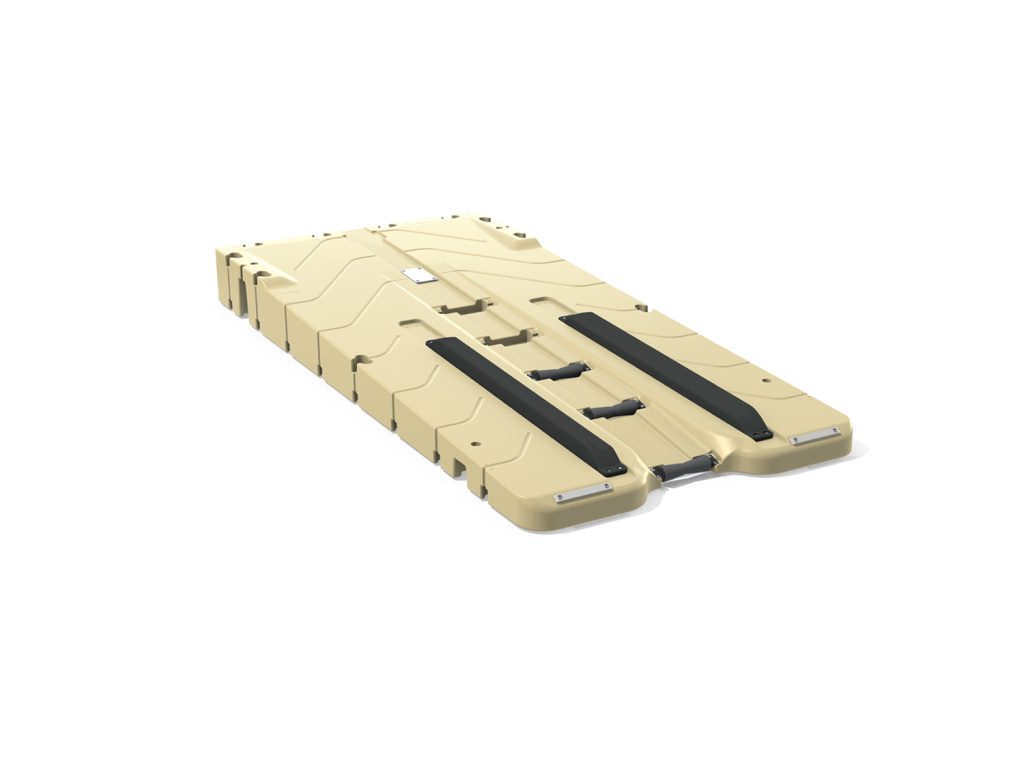
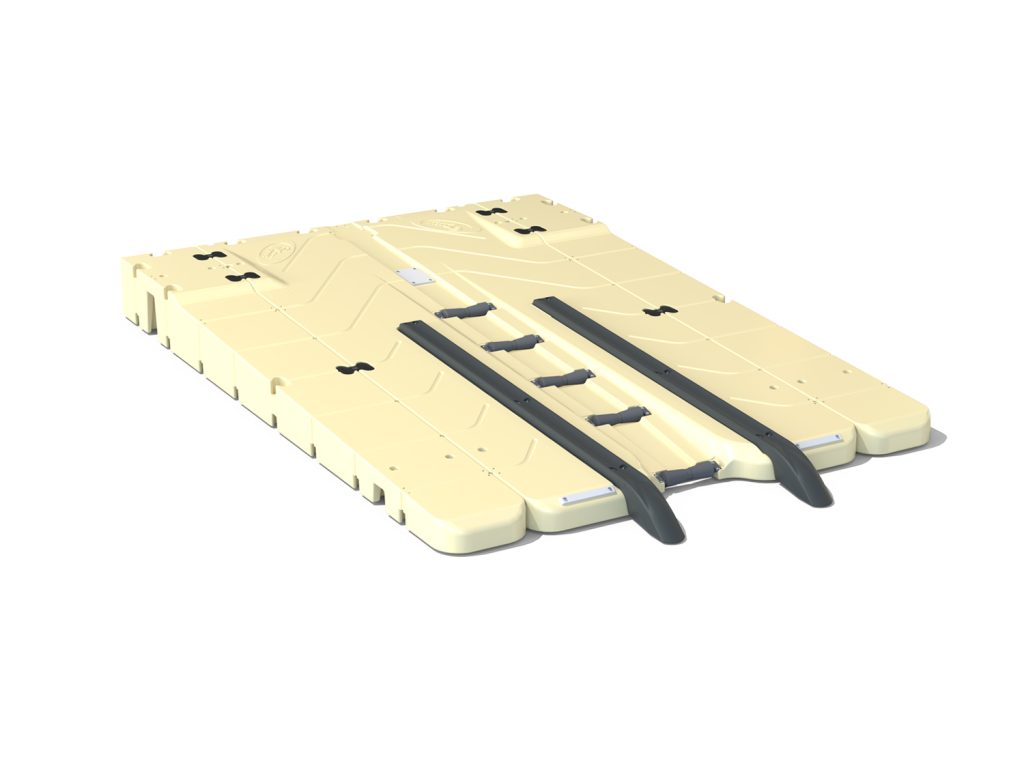
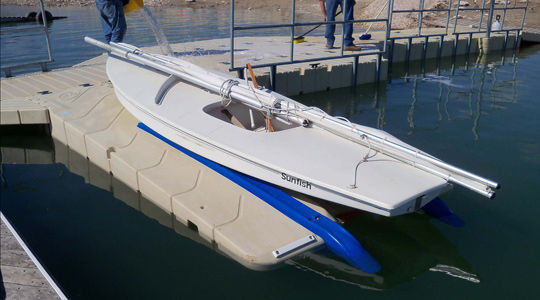
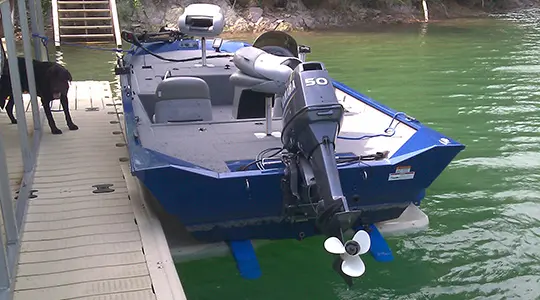
The EZ BoatPort is the standard model and the foundation for market-changing technology, allowing you to drive your boat on and off with ease. Count on durability, adaptability and a full suite of features to take the worry out of dry docking.
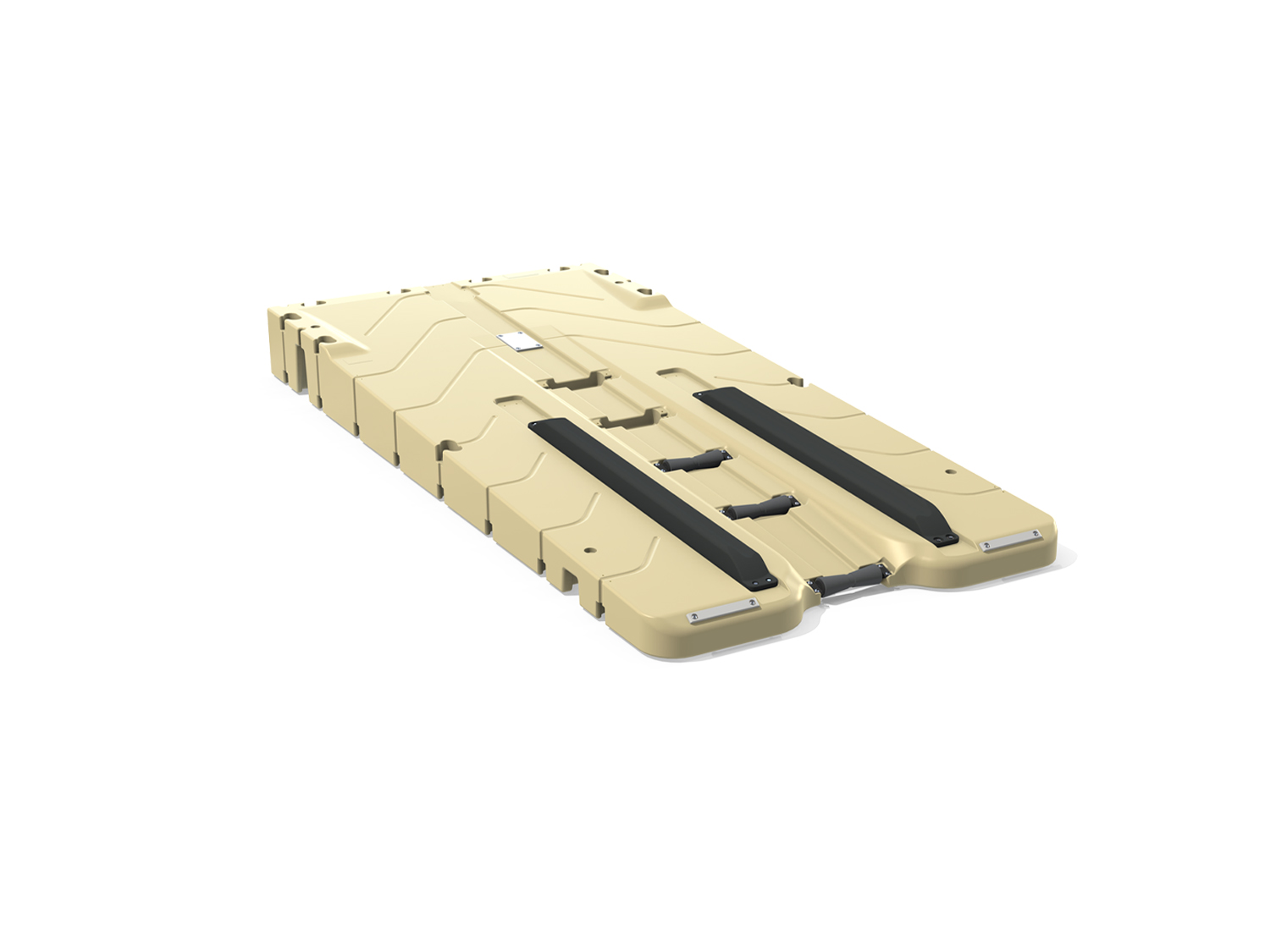
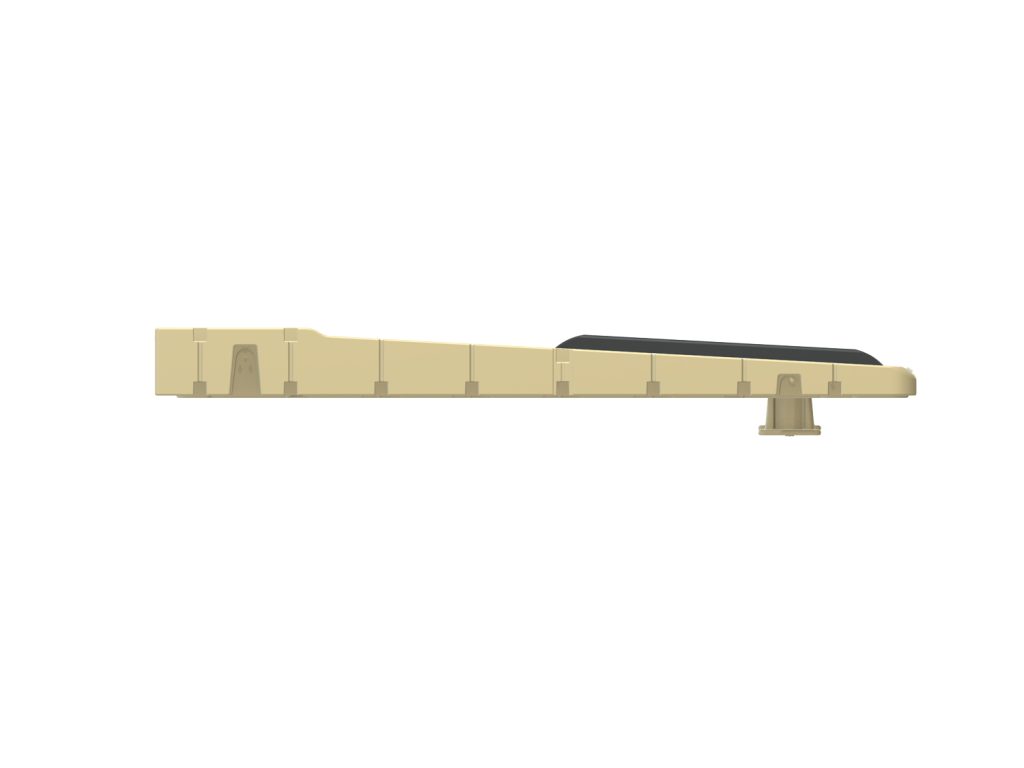
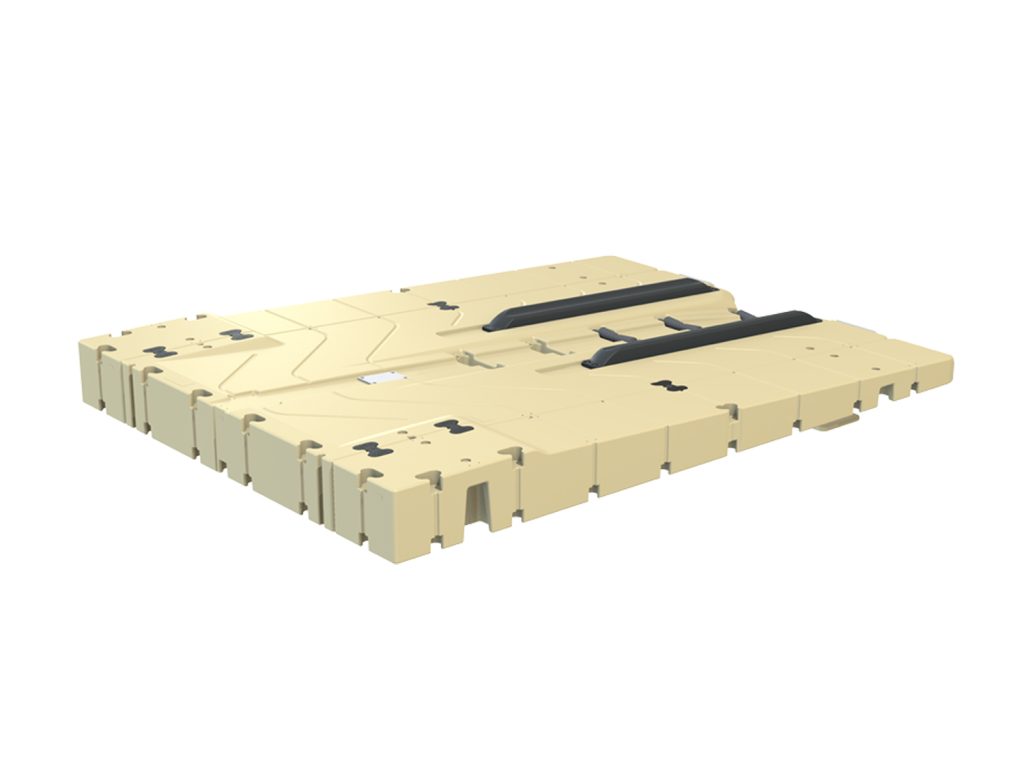
The EZ BoatPort sports an innovative design to handle the elements that your watercraft encounters. Molded from heavy-duty linear low-density polyethylene (LLDPE), this platform’s customizable dimensions support up to 3,000 pounds.
Additional Features
The port systems include:
- Configurations to fit multiple boat shapes and sizes
- Works with existing floating or fixed docks
- Can be used in as little as 2 feet of water without float tanks
- No winching, cranking, or hoisting
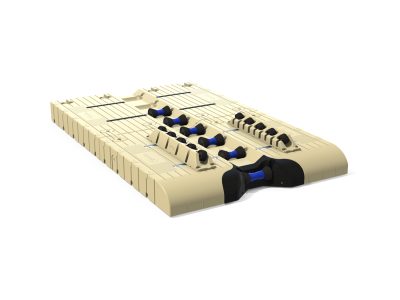
- Two skid bunk options to fit a variety of hull shapes and sizes
- Up to three additional keel rollers for longer boats
Enjoy environmentally friendly boat protection. EZ BoatPort absorbs impact with no harmful fillers and is fully recyclable. Since there’s no wood included in the platform, there’s no chemical output into our beautiful waterways. This model simply lifts your boat entirely from the water with no cranking or winching, shielding it from marine growth, waves and wakes to extend its life. Secure your investment with the optional front-mount cleat for better protection in rougher environments.
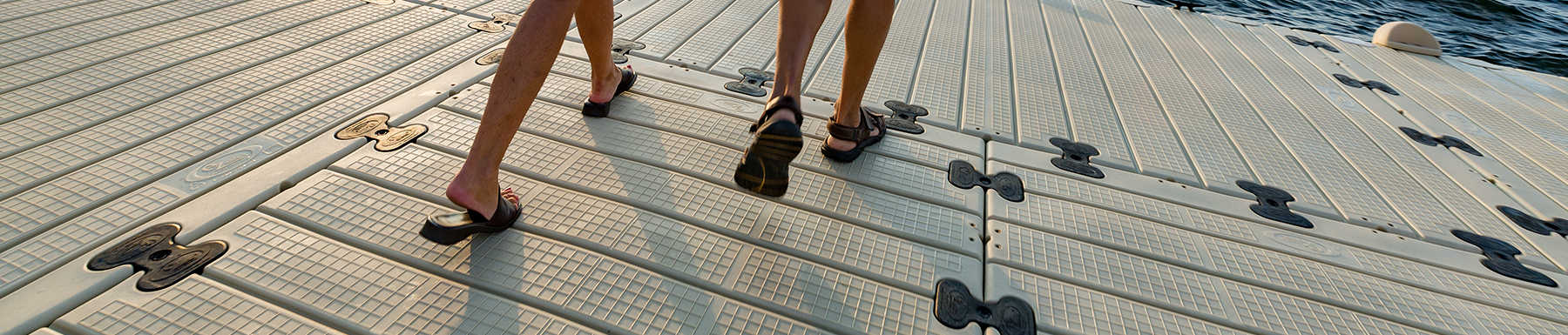
LLDPE also means lower maintenance needs for your port and an encouragement to live life barefoot without the worry of splinters. EZ BoatPort features anti-slip materials introduced during manufacture for safe walkways, stability and more secure boarding.
Benefit even more from the EZ BoatPort’s versatility. The integrated flotation chambers change with water adjustments to make porting easy in as little as 2 feet of water. All of our boat ports combine seamlessly with existing structures and the full selection of EZ Dock sections, allowing you to create a unique solution for your residential or commercial boat-porting needs.
Foundation Technology for Floating Boat Port Systems
The EZ BoatPort was the first of its kind in the drive-on floating port category and continues to set performance benchmarks that competitors attempt to match. This standard model incorporates decades of marine engineering refinement, delivering reliable boat storage without the mechanical complexity of traditional lift systems. The absence of motors, cables and pulleys means fewer components that can fail or require seasonal maintenance.
Shallow water capability distinguishes this floating port from alternatives that demand deeper installations. The 2-foot minimum depth requirement opens up docking possibilities in coves, protected bays and shoreline areas where conventional lifts cannot operate. This flexibility proves invaluable for properties with gradual depth transitions or seasonal water level variations that would strand fixed-depth systems.
Side Extensions

Adding side extensions to your floating dock provides extra-wide walkways, making maintenance like cleaning, covering and repairs completely accessible. With anti-slip texturizing and a barefoot-friendly surface, boarding and deboarding also become safer and more enjoyable.
Why Choose EZ Dock?
EZ Dock has delivered innovative solutions for dock systems since 1991. We’re committed to offering practical, eco-friendly products that meet your needs. Our floating boat port features the following:
- Customizable dimensions: The size ranges accommodate boats from compact runabouts to larger family cruisers with weight capacities up to 3,000 pounds.
- Zero chemical leaching: A wood-free construction means no preservative runoff, which harms aquatic ecosystems and violates environmental regulations.
- Integrated flotation: The built-in chambers automatically adjust to load changes, maintaining optimal buoyancy without the need for external float tanks.
- Hull-specific bunks: Two skid bunk configurations match different hull profiles, distributing support evenly to prevent stress concentrations.
- Expandable design: You can add side extensions for wider walkways or integrate with EZ Dock sections to build comprehensive waterfront systems.
Getting Started
Ready to get a port that meets your waterfront requirements? Review our getting started guide for configuration recommendations or connect with an EZ BoatPort specialist who can address site-specific questions. Request detailed specifications and pricing information from your local EZ Dock distributor today.
DESCRIPTION
Additional Features
The port systems include:
- Configurations to fit multiple boat shapes and sizes
- Works with existing floating or fixed docks
- Can be used in as little as 2 feet of water without float tanks
- No winching, cranking, or hoisting
- Two skid bunk options to fit a variety of hull shapes and sizes
- Up to three additional keel rollers for longer boats
Enjoy environmentally friendly boat protection. EZ BoatPort absorbs impact with no harmful fillers and is fully recyclable. Since there’s no wood included in the platform, there’s no chemical output into our beautiful waterways. This model simply lifts your boat entirely from the water with no cranking or winching, shielding it from marine growth, waves and wakes to extend its life. Secure your investment with the optional front-mount cleat for better protection in rougher environments.
LLDPE also means lower maintenance needs for your port and an encouragement to live life barefoot without the worry of splinters. EZ BoatPort features anti-slip materials introduced during manufacture for safe walkways, stability and more secure boarding.
Benefit even more from the EZ BoatPort’s versatility. The integrated flotation chambers change with water adjustments to make porting easy in as little as 2 feet of water. All of our boat ports combine seamlessly with existing structures and the full selection of EZ Dock sections, allowing you to create a unique solution for your residential or commercial boat-porting needs.
Foundation Technology for Floating Boat Port Systems
The EZ BoatPort was the first of its kind in the drive-on floating port category and continues to set performance benchmarks that competitors attempt to match. This standard model incorporates decades of marine engineering refinement, delivering reliable boat storage without the mechanical complexity of traditional lift systems. The absence of motors, cables and pulleys means fewer components that can fail or require seasonal maintenance.
Shallow water capability distinguishes this floating port from alternatives that demand deeper installations. The 2-foot minimum depth requirement opens up docking possibilities in coves, protected bays and shoreline areas where conventional lifts cannot operate. This flexibility proves invaluable for properties with gradual depth transitions or seasonal water level variations that would strand fixed-depth systems.
CUSTOMIZED OPTION
Side Extensions
Adding side extensions to your floating dock provides extra-wide walkways, making maintenance like cleaning, covering and repairs completely accessible. With anti-slip texturizing and a barefoot-friendly surface, boarding and deboarding also become safer and more enjoyable.
Why Choose EZ Dock?
EZ Dock has delivered innovative solutions for dock systems since 1991. We’re committed to offering practical, eco-friendly products that meet your needs. Our floating boat port features the following:
- Customizable dimensions: The size ranges accommodate boats from compact runabouts to larger family cruisers with weight capacities up to 3,000 pounds.
- Zero chemical leaching: A wood-free construction means no preservative runoff, which harms aquatic ecosystems and violates environmental regulations.
- Integrated flotation: The built-in chambers automatically adjust to load changes, maintaining optimal buoyancy without the need for external float tanks.
- Hull-specific bunks: Two skid bunk configurations match different hull profiles, distributing support evenly to prevent stress concentrations.
- Expandable design: You can add side extensions for wider walkways or integrate with EZ Dock sections to build comprehensive waterfront systems.
Getting Started
Ready to get a port that meets your waterfront requirements? Review our getting started guide for configuration recommendations or connect with an EZ BoatPort specialist who can address site-specific questions. Request detailed specifications and pricing information from your local EZ Dock distributor today.
Request a Quote
"*" indicates required fields