Filtros
Cómo elegir el elevador de embarcaciones adecuado
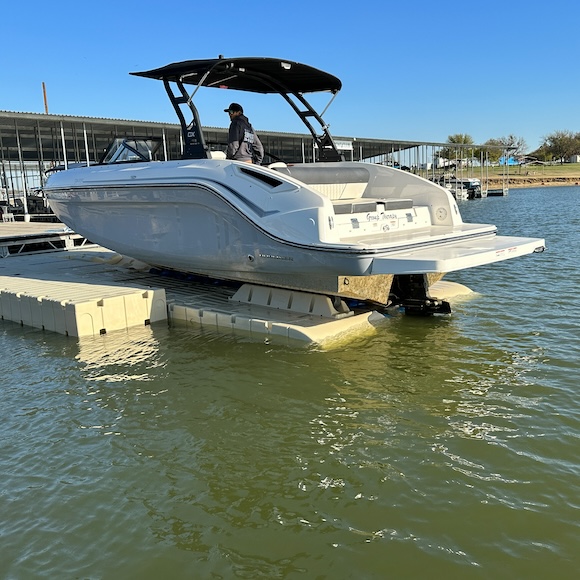
Invertir en un elevador para embarcaciones es una de las decisiones más acertadas que puede tomar como propietario de una vivienda frente al mar. Un elevador de calidad protege su embarcación contra la formación de ampollas en el casco, la corrosión y los efectos perjudiciales de una exposición prolongada al agua. Sin embargo, el mercado está repleto de opciones, y cada una de ellas afirma ser la mejor solución para sus necesidades.
Elegir un elevador inadecuado puede provocar frustración, reparaciones costosas e incluso daños en tu embarcación. Para elegir el elevador adecuado, es fundamental conocer las condiciones específicas de tu zona de amarre y los requisitos de tu embarcación. Descubre los tres factores esenciales que debes tener en cuenta para poder elegir con seguridad un elevador que se adapte a tu tipo de casco, se ajuste a los niveles del agua y minimice los costes de mantenimiento a largo plazo.
Paso 1: Analiza las condiciones del agua
El entorno de su zona ribereña es el factor más importante a la hora de elegir entre los distintos tipos de elevadores para embarcaciones. Antes de decidirse por un modelo de elevador, tómese su tiempo para evaluar estas condiciones.
Profundidad y fluctuación del agua
Las variaciones en el nivel del agua pueden marcar la diferencia entre el éxito y el fracaso de tu inversión en un elevador. Los elevadores fijos funcionan bien en entornos estables, pero pueden dejar tu embarcación varada durante las sequías estacionales o la marea baja. Por el contrario, los elevadores flotantes se ajustan automáticamente a los cambios en el nivel del agua, lo que garantizaun acceso constanteindependientemente de las fluctuaciones estacionales.
Las grandes masas de agua, como los Grandes Lagos, pueden experimentarvariaciones mensuales en el nivel del aguade varios centímetros. El lago Michigan-Huron, por ejemplo, pasó de tener un nivel de 579,82 pies en julio a 578,18 pies en diciembre de 2024, lo que supone una diferencia de casi 20 pulgadas. Estas fluctuaciones ponen de manifiesto por qué es fundamental comprender el comportamiento específico de la masa de agua en cuestión antes de decidirse por un tipo concreto de elevador para embarcaciones.
Composición de los sedimentos y del fondo del lago
La composición del lecho de tu lago o río influye considerablemente en la estabilidad del elevador. Los sedimentos blandos y fangosos, habituales en muchos lagos interiores, pueden hacer que los elevadores tradicionales que se apoyan en el fondo se hundan o se inclinen con el paso del tiempo. Esta inestabilidad puede provocar problemas de funcionamiento y dañar el casco de tu embarcación debido a un apoyo desigual.
Si el fondo de tu zona ribereña es firme, arenoso o rocoso, los elevadores fijos pueden funcionar bien. Sin embargo, si el fondo es de limo o arcilla blanda, los sistemas flotantes que no dependen de la estabilidad del fondo ofrecen una solución más fiable a largo plazo.
El oleaje y el tráfico marítimo
Ten en cuenta las condiciones típicas del oleaje en tu embarcadero. Las zonas muy transitadas, con estelas frecuentes de las embarcaciones que pasan, requieren elevadores de embarcaciones con sistemas de amortiguación robustos para evitar que tu embarcación golpee contra la estructura. Las calas tranquilas y las bahías protegidas son más indulgentes y admiten una mayor variedad de modelos de elevadores.
Paso 2: Conoce las especificaciones de tu embarcación
Uno de los errores más comunes y costosos que cometen los propietarios de embarcaciones es subestimar el peso real de su embarcación. El peso en seco que figura en las especificaciones de tu embarcación no lo dice todo.
Cálculo del peso húmedo
Tu grúa debe soportar el peso total de tu embarcación, lo que se conoce comúnmente como «peso en orden de marcha». El peso en seco que figura en el folleto corresponde únicamente al casco y al motor, sin contar los miles de kilos de líquidos y equipos esenciales.
Para obtener una cifra precisa, hay que tener en cuenta algunas variables concretas. La gasolinapesa unos 2,77 kg por galón, lo que significa que un depósito estándar de 227 litros añade casi 168 kg a la carga. El agua pesaaproximadamente 3,78 kg por galón, un factor fundamental si tu embarcación cuenta con depósitos de agua dulce o sistemas de lastre.
Este es un cálculo realista del peso en húmedo:
-
Peso en seco de fábrica: 4200 libras
-
60 galones de combustible — aproximadamente 366 libras
-
Baterías, torre y equipo: unos 180 kg
-
Carga real de elevación: 4.966 libras
En este caso, adquirir un elevador con una capacidad de 5.000 libras no le dejaría prácticamente ningún margen de error. Utilizar un elevador al límite de su capacidad provoca un desgaste prematuro de los motores y los cables. Intente mantener un margen de seguridad del 20 %. Para la embarcación mencionada anteriormente, debería optar por un elevador con una capacidad mínima de 6.000 libras para garantizar un funcionamiento seguro a largo plazo.
La configuración del casco es importante
Los distintos tipos de casco requieren configuraciones de soporte específicas:
-
Embarcaciones con casco en V:Estas embarcaciones necesitan sistemas de apoyo que sostengan y centren adecuadamente la quilla. Un apoyo inadecuado puede provocar tensiones en la estructura del casco con el paso del tiempo.
-
Pontones y tritoones:Estas embarcaciones requierenkits de soporte especializadospara distribuir uniformemente el peso a lo largo de los travesaños de aluminio, evitando así puntos de tensión que podrían provocar abolladuras o daños estructurales.
-
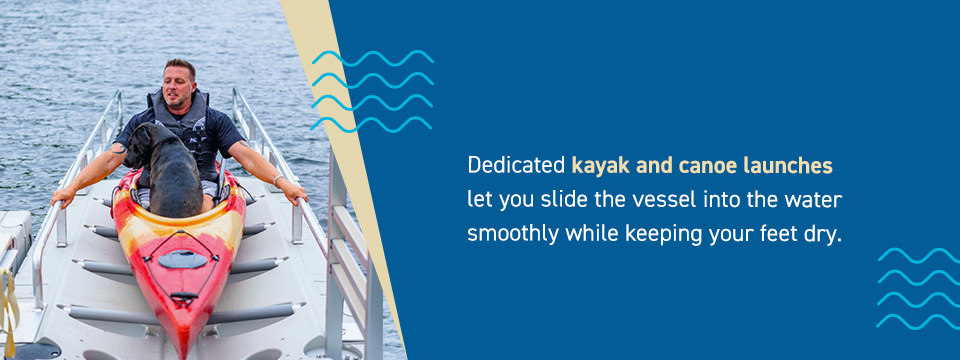
Kayaks y canoas:Los elevadores de embarcaciones estándar suelen ser demasiado grandes y pesados para las embarcaciones de remo.Las rampasespecíficaspara kayaks y canoaste permiten deslizar la embarcación al agua con suavidad sin mojarte los pies. Así se evita el esfuerzo que supone botarla desde un muelle elevado.
-
Motores intraborda frente a motores fueraborda:el tipo de sistema de propulsión influye en la altura a la que hay que elevar la embarcación. Los motores intraborda suelen requerir una mayor distancia al suelo para mantener toda la unidad fuera del agua, especialmente en entornos de agua salada, donde la corrosión puede acelerarse rápidamente.
Paso 3: Evalúa el mantenimiento y la facilidad de uso
Los costes de propiedad a largo plazo van más allá del precio de compra inicial. El mantenimiento y la facilidad de uso influyen de manera significativa en tu satisfacción general y en tus gastos.
Sistemas por cable, hidráulicos y flotantes
Los elevadores de embarcaciones tradicionales accionados por cable requieren una inspección periódica de las poleas, los cables y los engranajes. Los cables desgastados deben sustituirse, y las piezas móviles requieren un engrase periódico. Los sistemas hidráulicos ofrecen un funcionamiento más suave, pero pueden necesitar cambios de líquido y revisiones de las juntas.
Los modernos sistemas de grúas flotantes que utilizan aire o desplazamiento de agua eliminan muchos de estos problemas de mantenimiento. Al contar con menos componentes mecánicos, requieren un mantenimiento menos frecuente y reducen los costes operativos a largo plazo. Los propietarios de embarcacionesgastan entre 150 y 800 dólares al añoo cada dos años solo en la limpieza del casco y el pintado de la parte inferior, unos costes que el almacenamiento adecuado en grúa reduce drásticamente.
La prueba del nieto
Piensa en quién va a utilizar tu elevador. ¿Podrán utilizarlo con seguridad y confianza miembros de la familia de diferentes edades y capacidades físicas? Los sistemas manuales con manivela requieren un esfuerzo físico considerable, mientras que los sistemas neumáticos con botón pulsador o los sistemas de acceso directo permiten que cualquiera pueda manejarlos.
Durabilidad del material
Los materiales de construcción de los ascensores influyen directamente en los requisitos de mantenimiento:
-
El acero galvanizado es una opción tradicional y asequible, pero con el tiempo acaba oxidándose, sobre todo en entornos con agua salada.
-
El aluminio ofrece una resistencia superior a la corrosión y es más ligero, pero suele tener un precio más elevado.
-
El plástico de polietileno prácticamente no requiere mantenimiento, resiste bien la corrosión y no daña el casco de las embarcaciones. Este material elimina la necesidad de pintarlo o de aplicar tratamientos contra el óxido.
Comprender los diferentes tipos de elevadores para embarcaciones
Es fundamental elegir la categoría de elevador adecuada para que se adapte a las condiciones del entorno y a los hábitos de uso. A continuación, te ofrecemos un resumen de losprincipales tipos de elevadores para embarcacionesdisponibles.
-
Elevadores con soporte en el fondo:Estos elevadores se apoyan sobre sus propias patas junto al embarcadero. Funcionan bien enaguas de profundidad baja a moderadacon fondos firmes y nivelados. Este tipo de elevadores para embarcaciones está disponible en versiones manuales y motorizadas. Es posible que haya que retirarlos temporalmente en climas con heladas y pueden volverse inestables si cambia la composición del fondo.
-
Elevadores sobre pilotes:habituales en aplicaciones costeras y en aguas profundas, los elevadores sobre pilotes se fijan a pilotes permanentes hincados en el fondo del lago o del mar. Estas estructuras son excepcionalmente estables y pueden soportar embarcaciones de mayor tamaño. Requieren una instalación profesional y pueden estar sujetos a requisitos de autorización más estrictos en algunas jurisdicciones.
-
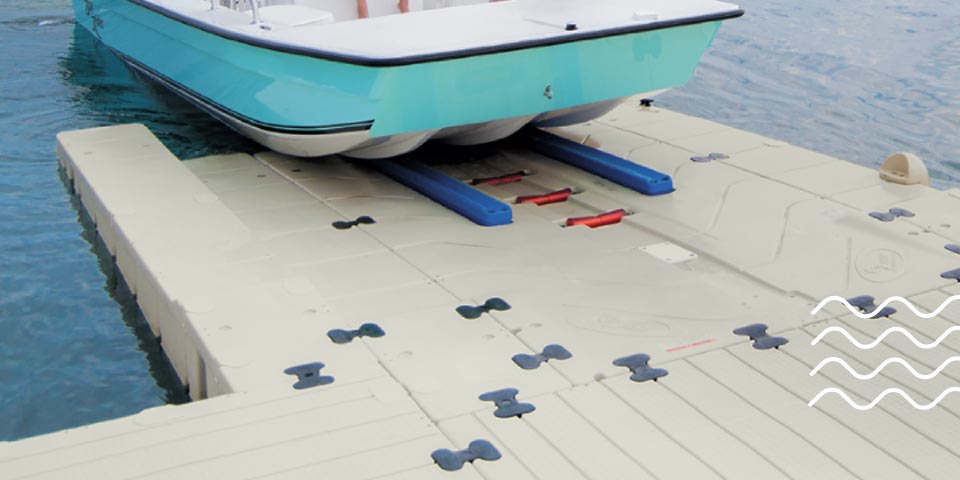
Elevadores flotantes para embarcaciones:este tipo de elevador es ideal para propiedades con niveles de agua variables. Sefijan a embarcaderos flotanteso amarresya existentesy suben y bajan con el nivel del agua. De este modo, se garantiza un acceso constante a la embarcación durante toda la temporada. Son especialmente populares en embalses, ríos y lagos con cambios estacionales significativos en el nivel del agua.
-
Elevadores ferroviarios de tierra:Estos elevadores utilizan un sistema de vías o rieles para subir las embarcaciones por una pendiente gradual. Son ideales para propiedades en las que no es posible el atraque tradicional, pero requieren una pendiente y una configuración específicas de la costa.
Argumentos a favor de los sistemas híbridos de elevación flotante
Los diseños híbridos combinan la resistencia estructural de los elevadores con estructura tradicional con la adaptabilidad de los sistemas flotantes. Estas soluciones utilizan estructuras de acero galvanizado o aluminio integradas con depósitos de flotación de polietileno para crear elevadores que se ajustan automáticamente a los cambios en el nivel del agua, al tiempo que mantienen la estabilidad para embarcaciones de mayor tamaño.
Estos sistemas destacan por mantener toda la unidad de propulsión, incluidos los motores y las unidades inferiores, completamente fuera del agua. Esta protección resulta especialmente valiosa en aplicaciones en agua salada, donde la corrosión galvánica puede dañar componentes costosos. Además, su diseño híbrido permite su instalación en muelles ya existentes, lo que los convierte en una opción práctica tanto para propietarios particulares como para operadores de puertos deportivos comerciales.
Protege tu inversión con los elevadores para embarcaciones EZ Dock
El elevador de embarcaciones adecuado protege tu embarcacióny reduce los costes recurrentes del almacenamiento en el agua. Un elevador de calidad preserva el rendimiento y el valor de reventa de tu embarcación. Si buscas una solución híbrida que combine la integridad estructural con la adaptabilidad de un muelle flotante, elelevador de embarcaciones Aegis™ representa un avanceen la tecnología de elevación. Respaldado por décadas de experiencia en muelles flotantes, este sistema ofrece las ventajas de una construcción de polietileno que no requiere mantenimiento, junto con el rendimiento de elevación de precisión que exigen los propietarios de embarcaciones más exigentes.
Póngase en contacto con undistribuidorlocalde EZ Dockpara obtener un análisis personalizado de su zona de amarre y descubra cómo el elevador adecuado puede transformar su experiencia náutica.